Johannesburg accommodation and experiences: planning a stay in Gauteng
Johannesburg, a vibrant gateway to Gauteng’s attractions, offers a wide range of places to stay that suit every budget and style. From characterful guesthouses to contemporary hotels and self‑catering apartments, planning a visit begins with choosing the right neighbourhood and the most convenient amenities. Whether you are visiting for business, culture, or a longer city break, the key is to balance location, comfort and access to transport.
Areas to consider include the cultural heart of the city centre, which is increasingly popular with travellers who want easy access to museums, theatres and lively street life; the northern suburbs, where leafy residential streets, modern hotels and boutique guesthouses offer a more serene base; and areas around Sandton or Rosebank, which put you close to shopping, dining and corporate hubs. For a more relaxed stay, suburbs a little further afield can provide restful guesthouse experiences with a friendly, personalised touch. If you are travelling with mobility needs or heavy luggage, proximity to main roads and access to Gautrain stations can make a big difference.
When choosing accommodation, look for several practical attributes. A comfortable bed and quiet rooms are essential, but so are secure entry, reliable Wi‑Fi, well‑equipped kitchens or tea‑and‑coffee facilities, and clear information about check‑in times. Shared or private lounges, a small kitchen or kitchenette, and on‑site parking can be important depending on your plans. For those unsure about their schedule, flexible booking policies and transparent cancellation terms are valuable. If you prefer a personal touch, a guesthouse or boutique hotel that emphasises local hospitality often provides insider tips on where to eat and what to see.
Typical amenities to expect in Johannesburg‑based stays include en‑suite bathrooms, daily housekeeping, air conditioning or ceiling fans, and secure parking. Many guesthouses and boutique properties offer breakfast or a continental option, sometimes with home‑baked items, fruit, and locally sourced ingredients. A small, curated selection of books, maps, and visitor guides can be a welcome addition for self‑guided explorations. If you are visiting during the Southern Hemisphere winter or shoulder seasons, heat retention and good heating can make a big difference to comfort indoors, while in summer, effective air conditioning and good ventilation are helpful for afternoon rests after sightseeing.
Transport is a practical consideration in Johannesburg. The city is well served by the Gautrain network for quick journeys to OR Tambo International Airport and other hubs, while local taxis, ride‑hailing apps and car hire remain common options for city exploration. If you plan day trips to the wider region, staying near a Gautrain station or a major road artery can save time. For guests who enjoy walking, choosing a central property near cultural institutions and eateries can reduce the need for car travel, while those seeking a more suburban experience might prefer a quiet street with easy access to main routes.
The best time to visit Johannesburg depends on your activities. The city enjoys a mild climate overall, with warm summers that can bring afternoon showers and cooler evenings. Winters are generally dry and cooler, which some travellers find ideal for city exploration and outdoor markets. Spring and autumn offer pleasant weather with long daylight hours for long walks and visits to parks, markets, and gardens. If you plan outdoor experiences or events at seasonal festivals, check local calendars ahead of your stay and pack layers for variable weather.
Practical tips to help you plan effectively:
- Book a property with clear cancellation terms and transparent policies.
- Choose accommodation with easy access to public transport or parking if you plan to move around by car.
- Read recent guest reviews focusing on cleanliness, safety, and responsiveness of hosts or staff.
- Consider a neighbourhood with nearby dining options and markets to reduce travel time at mealtimes.
- Check if breakfast or self‑catering facilities are included to suit your daily routine.
In terms of dining and experiences, Johannesburg offers a wealth of options that cater to a wide range of tastes. General recommendations include diverse neighbourhoods where you can sample a spectrum of traditional and modern cooking, from comforting meals to creative modern cuisine. For a relaxed evening, look for areas with lively yet walkable street life, where you can try a mix of casual eateries, coffee shops, and dessert spots. Museums and cultural districts can add a meaningful layer to your visit, providing context for the city’s history and contemporary creative scene. If you prefer guided experiences, local operators offer walking tours, art studio visits, and neighbourhood explorations that highlight architecture, markets, and street art.
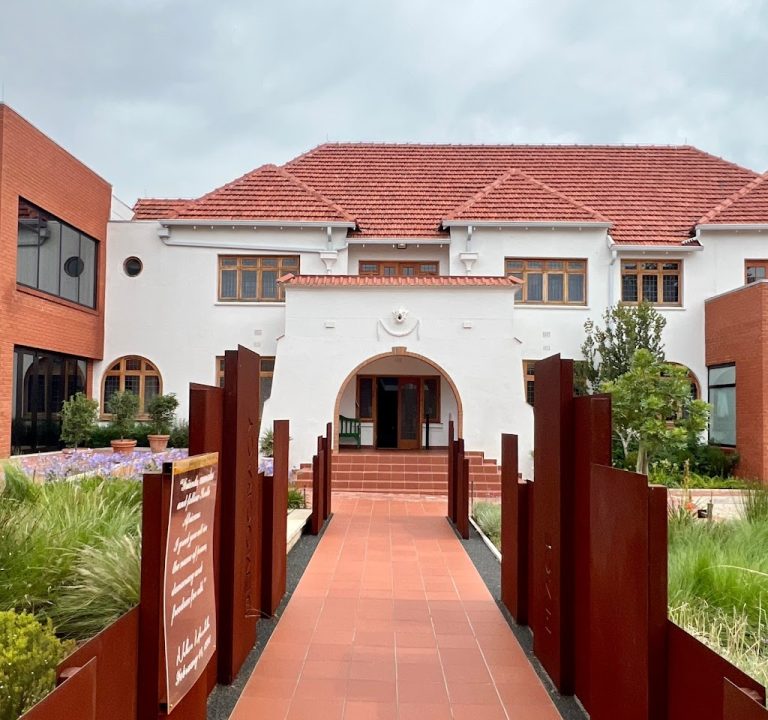
As a practical note, a stay in a guesthouse such as Kurval Guesthouse can offer a personalised, home‑from‑home experience while exploring the wider Gauteng region. It can be a good fit for travellers who value warm hospitality and straightforward, well‑located accommodation. Always verify current facilities and policies on the property’s official website before booking.
For planning and further ideas, consider consulting official tourism resources and reputable travel guides. A smart approach is to identify a couple of anchor activities you want to prioritise—such as a museum day, a shopping excursion, or a nature‑inspired outing—and then select accommodation that minimises transit time to those experiences. With thoughtful choices, Johannesburg can offer a balanced stay that combines comfort, convenience and memorable local flavour.