Johannesburg: Accommodation, neighbourhoods and practical tips for a memorable stay
Johannesburg, or Jo’burg, offers a vibrant mix of hotels, B&Bs and guesthouses that suit a range of budgets and travel styles. When planning where to stay, consider the type of experience you want: a city-centre hub with easy access to museums and markets, a leafy suburb with a calmer pace, or a boutique guesthouse that blends character with personalised service. A good base should balance comfort with convenient transport links, good dining options and proximity to the sights you plan to explore.
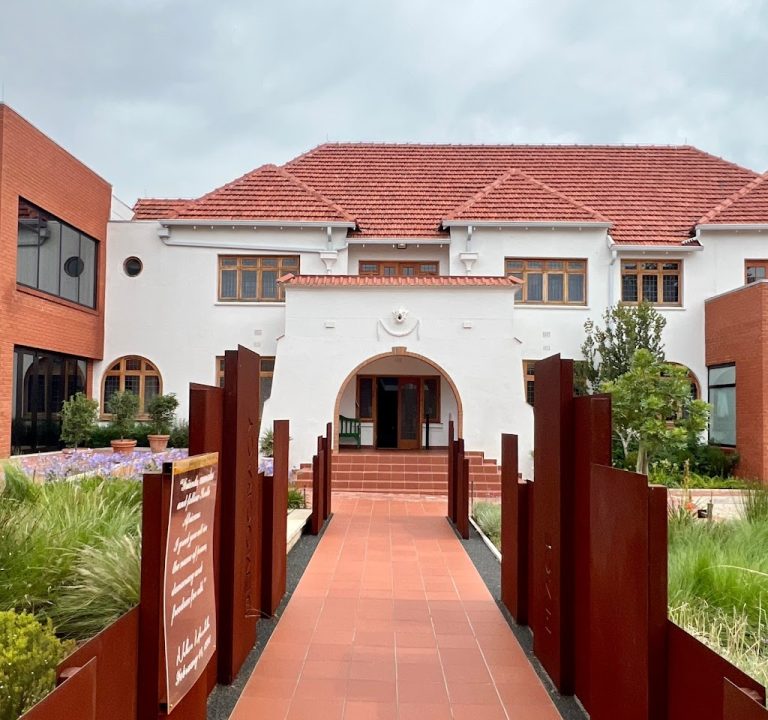
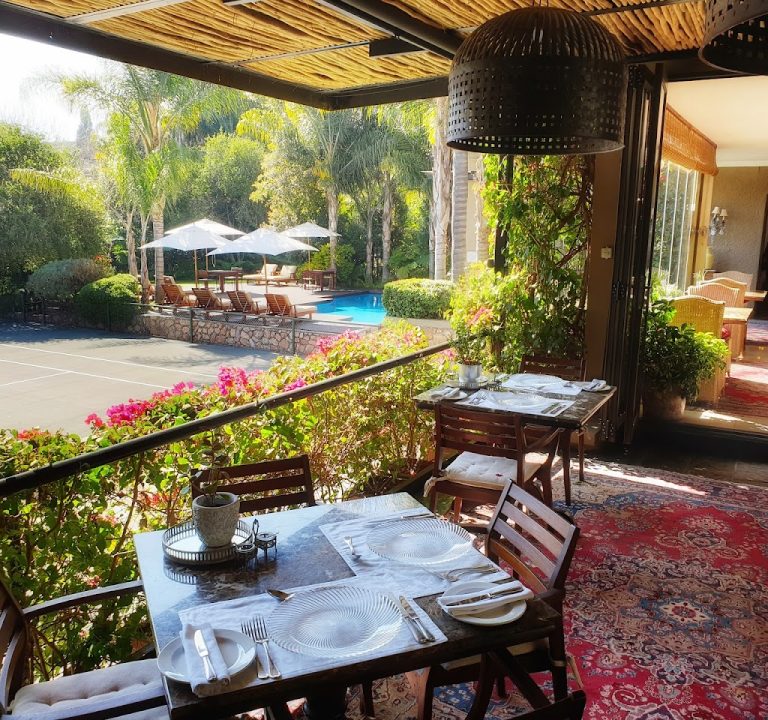
Lemurian Guesthouse is an example of a guesthouse style stay that can anchor a visit to the city. Its location, like many guesthouses in Johannesburg, can influence your day-to-day: some properties sit near busy urban corridors with easy taxi or rideshare access, while others are tucked away in tranquil, leafy streets that feel a world apart from the city’s bustle. Regardless of type, you’ll typically find tasteful rooms, a shared or private living space, and hosts with local knowledge to help tailor your itinerary.
Neighbourhood choice is central to your planning. If you want fast access to museums, galleries and a lively dining scene, the central Gauteng corridor around the city centre and nearby districts is worth considering. For a more residential feel with stylish eateries, you might look to suburbs that are well connected by major roads and public transport. Convenience, security, and quiet hours are practical considerations in any area you choose in Johannesburg.
When it comes to amenities, typical features in Jo’burg accommodation include en-suite bathrooms, air conditioning or ceiling fans, free Wi‑Fi, and secure parking. Breakfast is a highlight at many guesthouses and boutique hotels, offering a chance to start the day with a local flavour. Practical touches such as reliable housekeeping, 24-hour reception or on-site staff, and clear information on transit options can make a big difference to a smooth stay. If you’re travelling with family or a group, look for family-friendly rooms, extra sleeping arrangements, and accessible options if required.
Transport in Johannesburg is straightforward once you know the options. The city’s public transit is complemented by a well-used network of taxis and rideshare services. The Gautrain offers fast, reliable connectivity between Johannesburg, Pretoria and the airport area, while car hire can give you flexibility to explore beyond the immediate vicinity. If you plan to stay near popular sights or in central areas, check that your accommodation is within easy reach of major taxi routes or a rail link. It’s wise to confirm late check-in arrangements if you expect to arrive after business hours, as some smaller guesthouses may have limited reception hours.
The best time to visit Johannesburg is generally during the southern hemisphere’s autumn and spring shoulder seasons, when daylight lasts well into the evening and the city’s outdoor spaces are welcoming. The climate can be warm in summer and cool in winter, so packing layers is sensible. If your visit centres on markets, street food and cultural events, planning for weekend days can be especially rewarding, as many neighbourhoods host markets, live music and community activities that showcase local life.
Planning tips for a successful stay in Johannesburg:
- Choose a base with easy transit links to the attractions you want to cover. A central location can minimise travel time and stress.
- Check security features and guest reviews for guidance on neighbourhood safety and on-site security measures.
- Look for flexible booking options and clear cancellation policies, especially if your plans may change.
- Ask hosts for recommendations on authentic dining, markets and day trips—local knowledge can unlock hidden gems.
- Prepare for the climate with light layers for daytime warmth and cooler evenings, plus sun protection for outdoor activities.
Attractions and experiences in Johannesburg span history, culture and nature. The city is known for its museums and historic districts, where you can learn about South Africa’s complex past and present. For a taste of urban life, districts with galleries, street art and markets offer a colourful snapshot of contemporary Johannesburg. Nature lovers can explore nearby parks and nature reserves for a refreshing contrast to the city buzz. Dining in Johannesburg ranges from traditional South African favourites to contemporary, world-class cuisine, often in settings that blend cosmopolitan energy with warm hospitality. Many visitors enjoy neighbourhood eateries that reflect local flavours, as well as larger venues that showcase seasonal produce and innovative menus.
When booking, read recent guest reviews to gauge consistency and service quality. Consider a stay that includes or is close to a few key experiences, such as a guided neighbourhood walk, a morning market visit, or a curated food tour. If you’re planning a longer trip, you might balance days in the city centre with a short excursion to neighbouring suburbs or nearby nature spots for a well-rounded itinerary. For more information and planning ideas, you can browse official tourism resources and the websites of individual properties such as Lemurian Guesthouse for example, which can offer direct booking options and local tips, without the need for long-distance logistics.