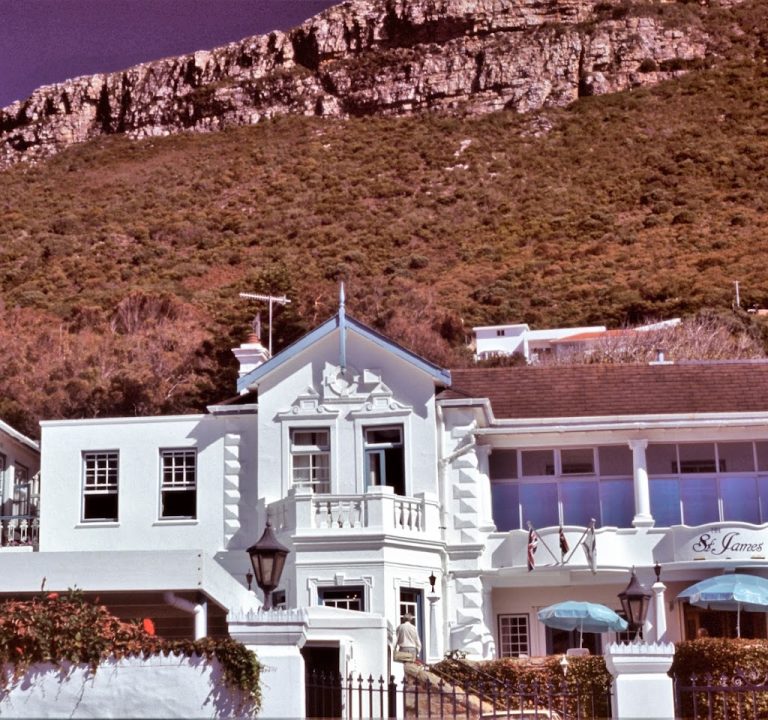
Accommodation and Experiences in Cape Town: Where to Stay and What to Do
Cape Town blends dramatic scenery with a vibrant city frame, making it an ideal destination for a memorable short break or a longer self‑catering stay. Choosing the right area and a well‑appointed base can shape your daily rhythms, from sunrise observations of Table Mountain to leisurely coastal strolls along the Atlantic seaboard. Whether you prefer a bright, modern apartment overlooking the harbour or a cosy guesthouse tucked into a quiet neighbourhood, the city offers a range of settings to suit different itineraries and budgets.
When planning a stay, it pays to think about what you want from your base. If you anticipate long days of sightseeing and early mornings, a central location near the V&A Waterfront or the central business district provides quick access to ferries, tours, and hop‑on/hop‑off routes. For a more relaxed, scenery‑driven break, consider areas along the Atlantic Seaboard such as Camps Bay or Clifton, where you can enjoy beach access and sunset views, or the quieter dunes of Noordhoek and Simon’s Town for a slower pace while still being within reach of major sights.
Self‑catering options, such as the well‑served self‑catering properties in The Lookout area, can offer the comforts of a home away from home with the flexibility to cook your own meals after a day of exploration. Look for well‑equipped kitchens, laundry facilities, secure parking, and reliable Wi‑Fi. A good self‑catering base will also provide clear guidance on access to common spaces, cleaning schedules, and what to expect in terms of linen and toiletries. If you prefer a more intimate, personal stay, consider guesthouses or boutique hotels with attentive staff who can tailor recommendations to your interests.
Typical amenities worth prioritising include a comfortable bed with quality bedding, adequate heating or cooling for Cape Town’s changing seasons, and a space that encourages downtime after a busy day. Proximity to public transport or easy parking is a real asset, especially if you plan to rent a car for coastal drives, vineyard tours, or day trips to nearby towns. Many properties in Cape Town provide useful extras such as a welcome basket, basic pantry staples, maps, and guidance on walking routes, markets, and safe neighbourhoods. Clear information about check‑in times, access to the unit, and how to contact hosts or managers is also helpful for a smooth arrival.
Transport in Cape Town is a mix of rented cars, rideshares, and public options. If you are not driving, choose accommodation near MyCiti bus stops or popular tourist corridors to reduce transfer times between sights. For day trips to the Cape Winelands, the Cape Peninsula, or the Cape of Good Hope, many properties can arrange or recommend trusted tour operators. Be mindful of traffic patterns during peak hours, especially on routes along the Atlantic coast and through the city centre, and plan your day around the iconic morning light for photography or scenic viewpoints.
The best time to visit Cape Town depends on what you want from your trip. Late spring (October to December) and autumn (March to April) typically offer mild weather, less wind, and longer daylight for outdoor activities. Summer brings brighter skies and busier streets, while winter (June to August) can be cooler and rainier, though it can still be appealing with fewer crowds and dramatic coastal scenery. If your focus is hiking Table Mountain or visiting Kirstenbosch Gardens, consider mornings when the views are clearest and the air is freshest. Always check local forecasts and air‑quality notices when planning outdoor activities.
Attractions in general terms span nature, culture, and coastal recreation. You can expect possibilities such as cable car or hiking routes for spectacular vantage points, safe waterfront promenades for evening strolls, and easy access to renowned parks and gardens. Cultural experiences often emerge in the form of colourful districts with historic architecture, markets offering crafts and local foods, and museum or gallery visits that illuminate the city’s past and present. For dining, Cape Town’s restaurant scene ranges from casual beachfront eateries to refined establishments offering seasonal, locally sourced ingredients. In general terms, you’ll find menus that highlight seafood, game, and South African staples, as well as robust vegetarian and vegan options depending on the venue and season. When booking meals or tours, look for flexible cancellation policies and clear information about inclusions, such as wine tastings, guided walks, or Nairobi‑style sunset cruises along the coast if available in your itinerary.
Practical planning tips to make the most of your stay:
- Book accommodation with a well‑lit, secure entrance and clear directions from public transport hubs.
- Choose a base that reduces daily travel time to your planned activities, balancing distance with quieter neighbourhoods for rest days.
- Confirm kitchen appliances and cookware if you plan to self‑cater; check laundry facilities and iron/board availability.
- Ask hosts about neighbourhood safety tips, local markets, and best times to visit popular viewpoints to avoid crowds.
- Research parking arrangements if you are driving, including whether on‑site or street parking is available and any permit requirements.
- Pack adaptable clothing for coastal breezes and varying temperatures; layers work well for day trips and cooler evenings.
- Keep a lightweight map or digital guide handy, with the day’s plan and backup options in case of weather changes.
For more inspiration and practical guidance, consider browsing official tourism information to tailor your Cape Town visit to your interests and budget. A balanced stay—mixing comfortable accommodation with time on the beach, in the mountains, and exploring markets and dining venues—will offer a well‑rounded Cape Town experience. If you are seeking a flexible, self‑catering base, look for properties that combine practical amenities with information that helps you navigate the city like a local. For example, the Lookout type of self‑catering accommodation can be a useful reference point for a modern, convenient stay in a scenic part of town.
Useful resource: https://www.capetown.travel