A stay in Cape Town: accommodation, attractions and planning tips
Cape Town in the Western Cape offers a diverse mix of places to stay, from stylish boutique hotels and airy guesthouses to family-friendly lodges perched near the coast. When planning a visit, it helps to pair your preferred type of accommodation with the area you want to explore, so you can maximise time spent enjoying the city’s famed scenery and vibrant dining scene. A well-chosen base sets the tone for easy access to beaches, viewpoints, and well-loved attractions during your stay.
Areas to consider include the city centre and the Atlantic Seaboard for easy access to iconic sights and a cosmopolitan atmosphere; the greener, quieter Table Mountain foothills of the City Bowl; the coastal neighbourhoods of Camps Bay and Clifton for sun, sea and sunsets; and the historic, colourful lanes of Bo-Kaap. For wine lovers, Constantia and the nearby Constantia Valley offer leafy setting stays with easy reach to some of the region’s best-known cellar doors. For families or budget-conscious travellers, areas closer to the airport precinct, or those with good MyCiTi public transport links, can provide convenient access to beaches and the V&A Waterfront without long drives.
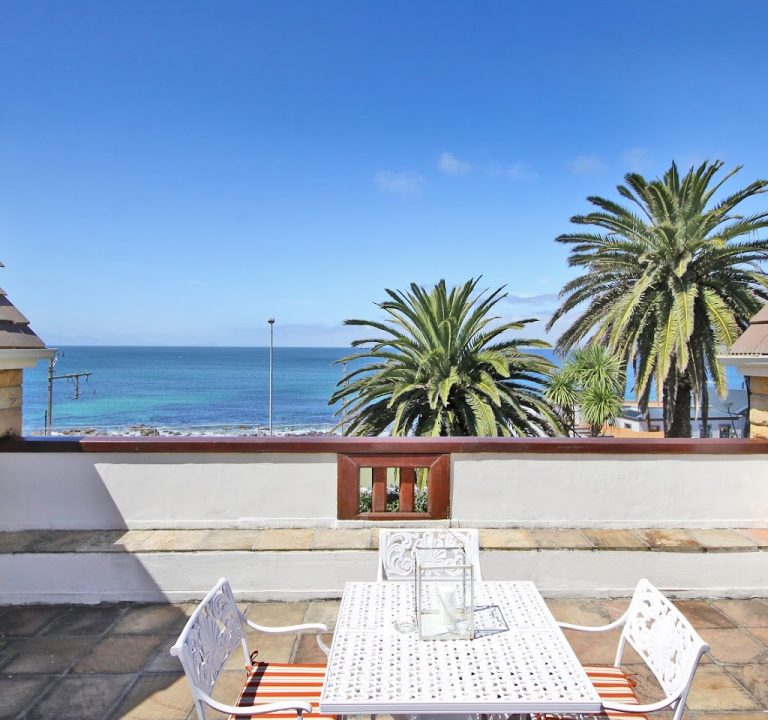
Typical amenities to look for when booking include reliable Wi‑Fi, air conditioning or good ventilation, a well-equipped kitchenette or breakfast options, secure parking, and thoughtful touches such as laundry facilities, self-check-in, or a guest lounge. Many boutique hotels and guesthouses in Cape Town offer personalised service, curated local recommendations, and the option of organised experiences or tours. If accessibility is important, check for lift access, step-free routes, and well-lit common areas. Consider whether you prefer sea views, a private balcony, or proximity to a popular beach or landmark, and weigh that against distance to central sights you wish to explore daily.
Transport in Cape Town ranges from ride-hailing and taxis to reliable public transit networks and hire cars. The MyCiTi bus service links key coastal neighbourhoods with the city centre and major attractions, while many guesthouses and hotels can arrange airport transfers or private tours. If you plan to drive, a car offers flexibility to explore Cape Point, the winelands, and海 countryside at your own pace, though some coastal lanes can be busy in peak season. In peak months, booking ahead is prudent, especially for properties with limited rooms or unique locations such as hillside retreats or waterfront stays.
When to visit Cape Town depends on your priorities. The summer months (roughly November to February) deliver longer days, calmer seas for coastal activities, and lively street life. Shoulder seasons in spring and autumn can offer milder weather and fewer crowds, which is ideal if you want to explore popular routes with a more relaxed pace. Winter tends to be cooler and wetter, yet it can bring atmospheric scenery and quieter attractions. Regardless of when you travel, many attractions operate year-round, and outdoor experiences are often best enjoyed on clear days.
Key attractions span natural beauty and cultural heritage. You can expect sweeping coastal views from the mountains, a cable ride or hiking routes on the slopes of Table Mountain, and viewpoints along the Atlantic coast. The city also offers historic districts, such as Bo-Kaap, with its colourful streets, plus museums and galleries that showcase South Africa’s diverse narratives. Along the waterfront, you’ll find shopping, dining, and easy access to a harbour atmosphere. For a change of pace, a day trip to the Cape Point reserve or a winery circuit in the nearby valleys provides a broader sense of the region’s geography and cuisine. Dining choices span casual seaside eateries to refined restaurants serving seasonal, local ingredients, with a focus on fresh seafood, Cape Malay-inspired dishes, and modern South African cuisine.
Practical planning tips to consider before you book:
- Decide your priorities: proximity to the beach, city sights, or a quiet hilltop retreat with views.
- Check accessibility and transport options for daily excursions to Table Mountain, the V&A Waterfront, or the Cape Point reserve.
- Read recent guest reviews for insights on noise levels, upkeep, breakfast quality, and staff helpfulness.
- Compare cancellation policies and whether breakfast or self-catering arrangements suit your itinerary.
- Pack layers for changing weather, especially if you plan coastal walks or early-morning viewpoints.
- Plan a balanced itinerary with a mix of outdoor time, museum visits, and restaurant experiences.
To help you plan, consider browsing a range of stays in areas such as the City Bowl for easy access to museums and nightlife, the Atlantic Seaboard for beaches and scenic drives, and Constantia for a tranquil countryside feel and easy access to wine estates. For inspiration on what to do and where to start, you can visit official tourism resources and hotel websites that describe experiences and practical logistics. A well-rounded stay combines a comfortable base with opportunities to explore nature, culture, and cuisine, ensuring you leave with lasting memories of Cape Town’s unique character.