Cape Town: where to stay, what to do, and how to plan your stay
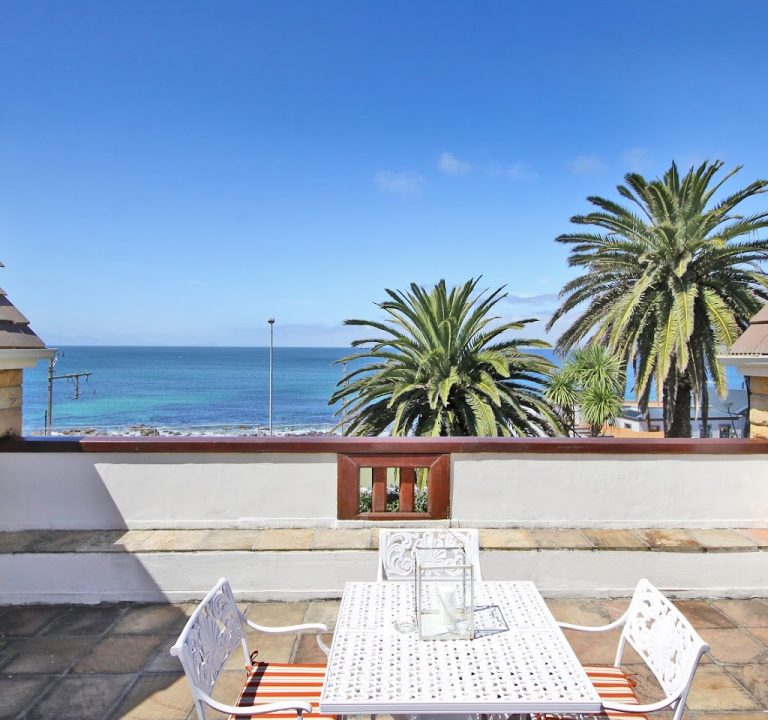
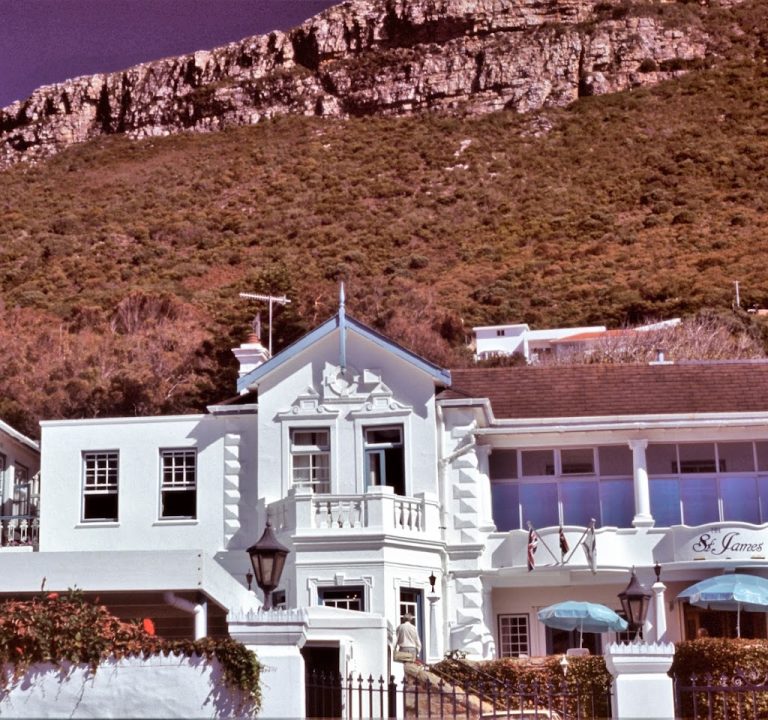
Cape Town blends natural splendour with a rich cultural heartbeat, making it a compelling destination for a wide range of travellers. When planning a stay, think about your priorities: easy access to the city’s landmarks, a restful base near the coast, or a wine-country retreat within reach of the famed winelands. The city offers an array of accommodation styles, from intimate B&Bs and guesthouses to sleek villas and family-friendly lodges, each with its own character and conveniences. An excellent example of a comfortable option is Homestead Villa, a villa-style stay on the Atlantic Seaboard, which can be explored via its listing and booking page for more details on the setting and amenities.
Choosing a neighbourhood is one of the most important parts of planning. The City Bowl and the V&A Waterfront are ideal for proximity to museums, shopping, and urban nightlife, with stylish boutique hotels and guesthouses nestled in leafy streets. The Atlantic Seaboard, including areas such as Sea Point and Camps Bay, offers dramatic sea views, promenades, and a livelier beach culture. For a quieter, leafy escape with plenty of outdoor space, Constantia Valley and the Southern Suburbs provide villa-style stays near verdant vineyards and scenic hikes. If you’re chasing historic charm and cultural immersion, the Bo-Kaap and De Waterkant areas offer characterful stays close to cafés, markets, and the city’s colourful streets.
What to look for when booking:
- Location relative to your planned activities, especially proximity to beaches, Table Mountain, and public transport routes.
- Transport options: easy access to taxis, Uber, or MyCiTi bus services, plus parking if you plan to hire a car.
- Amenities that fit your needs, such as free Wi‑Fi, secure parking, a well-equipped kitchen or kitchenette, breakfast options, and convenient lounge areas.
- Guest reviews focusing on cleanliness, staff attentiveness, and value for money, rather than merely price.
- Cancellation policies and accessibility for different travel dates, especially during peak seasons when availability might be limited.
Typical amenities in Cape Town stays often include comfortable en-suite rooms, private balconies or terraces with views, and access to outdoor spaces such as pools or gardens. Some boutique properties offer curated experiences or recommendations for local tours, from wine tastings in nearby valleys to guided hikes or township visits. If you prefer privacy and space, villas and larger guesthouses can provide self-catering facilities, separate living areas, and dining spaces, making them ideal for families or groups.
Practical planning tips:
- Best time to visit: Cape Town enjoys a temperate climate, with warm, sunny summers (roughly November to February) and mild winters. Spring and autumn offer pleasant weather and fewer crowds. If your trip centres on outdoor activities, aim for late spring or early autumn for ideal conditions.
- Seasonal considerations: windy days at the western seaboard can be dramatic, while Table Mountain’s cloud cap (the “Tablecloth”) can affect visibility—plan a flexible itinerary to accommodate sudden changes in weather.
- Safety and personal items: enjoy the city’s hospitality while staying aware of standard travel safety practices; keep valuables secure, use reputable transport, and stay within well-lit, populated areas after dark.
- Budgeting: Cape Town offers a broad range of price points, from cosy B&Bs to stylish villas. Consider including a mix of paid experiences and self-guided days to balance costs.
- Getting around: a car offers independence to explore the winelands and coastal towns, but within the city, rideshares and reliable public transport can be convenient and cost-effective.
Attractions and experiences to weave into your stay (generally accessible and well supported by visitor information):
Whether you’re drawn to natural wonders or cultural experiences, Cape Town serves them up in abundant variety. Iconic landscapes surround the city: a cable-car ascent of Table Mountain, panoramic viewpoints along the Atlantic coast, and the rugged shorelines near Cape Point. Within the city, you’ll find world-class museums, galleries, and markets that celebrate both local crafts and international cuisines. A short drive brings you to the Cape Winelands, where the valley’s estates offer tastings, fine dining, and vineyard strolls. Families and independent travellers alike often enjoy day trips to nearby coastal towns or nature reserves, where hiking, wildlife viewing, and sparkling sea air fill the days with memorable moments.
When it comes to dining, Cape Town’s restaurant scene runs from casual harbour-side eateries to refined dining rooms featuring modern South African flavours. In addition to dining out, you can explore markets and cafés that celebrate fresh produce, seafood, and global influences. Some properties may help arrange private tastings or guided experiences, or offer curated tips for where to eat near your stay, ensuring you can sample a range of flavours without long detours.
Accessibility and planning websites offer up-to-date guidance on routes, permit requirements for certain areas, and seasonal advisories. For accommodation, you’ll find listings across a spectrum of styles and budgets, including villas such as Homestead Villa, which provide a comfortable home base with thoughtful amenities. A well-chosen stay, balanced with well-planned activities, makes it easy to experience the best of Cape Town’s scenery, culture, and cuisine while keeping your travel rhythm relaxed and enjoyable.