Accommodation and Experiences in Cape Town: Where to Stay and What to Do
Cape Town offers a diverse range of places to stay, from boutique guesthouses and intimate B&Bs to larger hotels with sweeping ocean views. The city’s layered landscape—mountain, harbour, and coastline—means your choice of neighbourhood will shape your daily plans almost as much as your room. When planning a stay, think about what you want to be close to: iconic sights, a vibrant dining scene, easy access to beaches, or a quieter base for day trips into the Winelands or the Cape Peninsula.
Areas to consider include the City Bowl, where characterful boutique stays are interwoven with weel-known streets, cafes, and markets; the V&A Waterfront for a waterside hub with easy access to ferries and harbour views; Camps Bay and Clifton for sandy beaches and sunset views; Green Point and Sea Point for a cosmopolitan atmosphere with promenade walks; and the Southern Suburbs, including Constantia and Newlands, if wine-tasting and leafy scenery are high on your list. Whale-watching opportunities and penguin colonies are reachable by day trips from certain coastal pockets, while the Cape Peninsula offers dramatic coastal drives and nature reserves within reach of many accommodation options.
In terms of what to look for when booking, consider the following: location relative to your planned activities, the style and size of the property, and practicalities such as parking and security. If you plan to drive, secure parking or easy access to reliable city transport can be a real plus. If you prefer self-catering or kitchen facilities, check that the room or apartment includes a kitchenette. Breakfast is a popular feature in smaller guesthouses and B&Bs, but some hotels and lodges offer flexible dining options or nearby eateries within a short stroll. Accessibility options—such as lifts, ground-floor rooms, or accessible bathrooms—are worth confirming if required. Finally, read recent guest reviews to gauge consistency in service, cleanliness, and responsiveness, which can vary more widely in smaller, independently run properties.
Common amenities across the spectrum of Cape Town accommodation include free Wi-Fi, air conditioning or ceiling fans, en-suite bathrooms, and tea-and-coffee provisions. Many guesthouses and boutique hotels offer personalised touches—local guidebooks, information on hidden courtyards, or partnerships with nearby eateries and experiences. For families, look for larger rooms or suites, child-friendly spaces, and quiet zones within the property. For couples or solo travellers, many boutique options highlight intimate lounges, gardens, or rooftop decks with city or ocean views. If taking day trips, ask about concierge services, luggage storage, and any by-arrival arrangements that could streamline your plans.
Getting around Cape Town is straightforward but does vary by area. The MyCiTi bus network is a practical, affordable option for city travel, while Uber and other ride-hailing services are widely available. If you’re staying near the central attractions, you may find walking can be pleasant and efficient, particularly along the Atlantic Seaboard or in the City Bowl. Rental cars offer maximum flexibility for day trips to the Cape Winelands or the Cape Peninsula; drivers should be prepared for steep coastal roads and the possibility of limited parking in busy areas.
The best time to visit Cape Town combines favourable weather with reliable outdoor conditions. Spring (September to November) and autumn (March to May) are often ideal for outdoor activities, with mild temperatures and fewer peak-season crowds. Summer (December to February) brings longer days and beach-friendly weather, but popular spots can be busier. Winter (June to August) is cooler and wetter, yet still inviting for city culture, museums, and culinary experiences. If you’re chasing specific wildlife or natural displays, plan ahead around seasonal patterns and local advisories. Remember that some outdoor experiences can be weather-dependent, so having flexible plans helps you make the most of every day.
When it comes to attractions and dining, Cape Town invites exploration without requiring rigid itineraries. Iconic sights are visible from many vantage points, and the city offers a broad spectrum of experiences—from scenic viewpoints and historic neighbourhoods to world-class restaurants and markets offering regional specialties. Rather than fixing exact restaurant names or ticket prices, consider a plan that includes a mix of a signature scenic stop, a harbour-side stroll, and a meal at a restaurant that celebrates local produce and flavours. Guided tours, coastal drives, markets, and wine-tasting trips are common, with many operators offering half-day or full-day options that can be booked in advance or arranged by your accommodation.
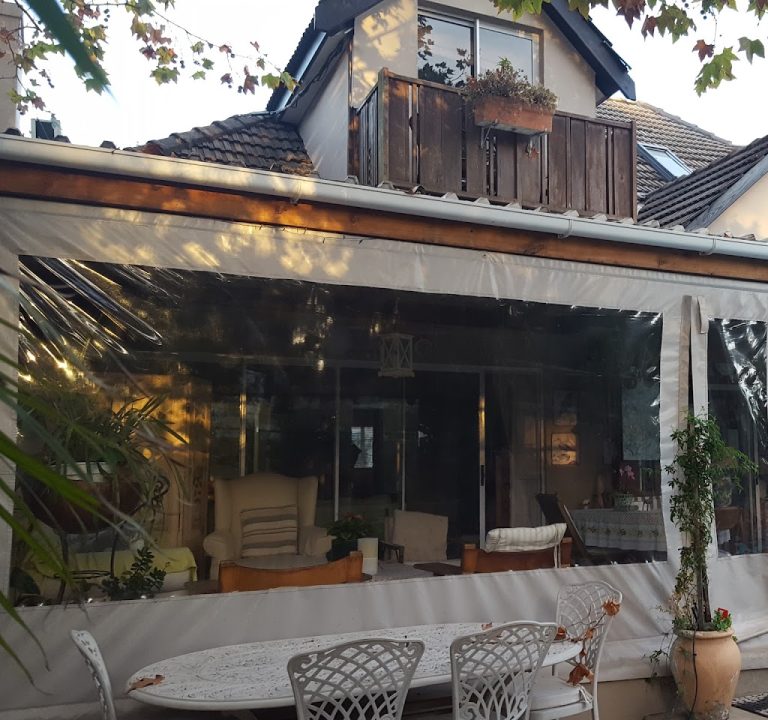
As a practical reference, a stay at The Lemon Tree Guesthouse, or similar boutique properties, can provide a comfortable base with attentive service and a sense of place, helping you navigate the city’s diverse offerings. It’s wise to discuss your interests with your host or reception team when you arrive, so they can tailor recommendations for routes, walking paths, and dining options to suit your pace and preferences.
- Plan by neighbourhood: choose a base that reduces transit time to your primary activities.
- Check practicalities: parking, breakfast, self-catering, and accessibility options.
- Assess transport needs: proximity to MyCiTi stops or easy ride-hailing access.
- Balance your itinerary: combine nature, culture, and cuisine with downtime.
For further ideas and inspiration, you can explore Cape Town’s official tourism resources and current travel tips at https://www.capetown.travel/. With thoughtful planning, your stay in Cape Town can blend memorable scenery, vibrant dining, and welcoming accommodation into one seamless experience.