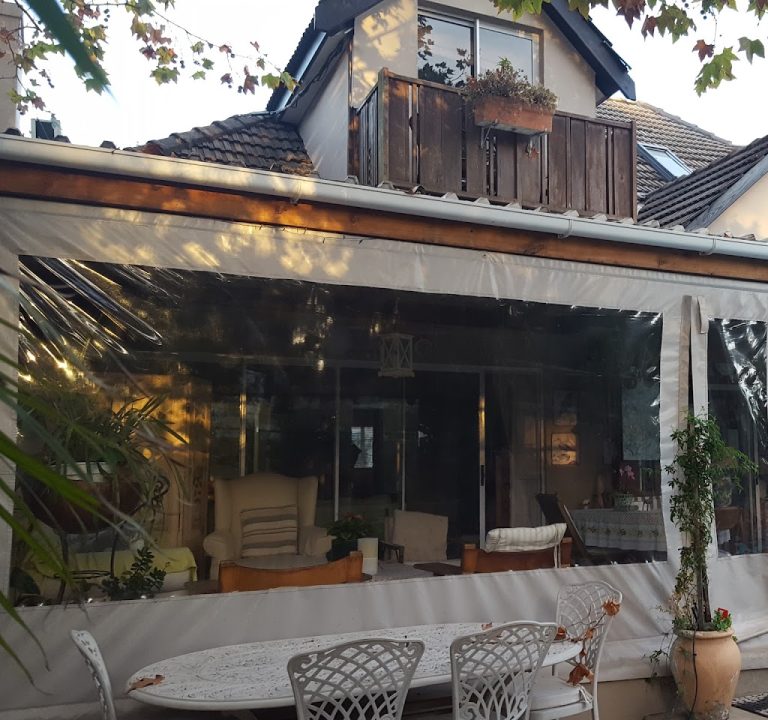
Staying in Cape Town: accommodation, planning tips and a guide to the city’s highlights
Cape Town is a city of varied neighbourhoods, dramatic scenery and a welcoming pace. Whether you prefer a cosy guesthouse, a stylish boutique hotel, or a family-friendly lodge, the best choice depends on how you want to explore the Western Cape’s dramatic coastline, mountain scenery and vibrant streets. A well‑chosen base can make the difference between a rushed visit and a relaxed, immersive stay.
Popular areas to consider include the City Bowl and central historic districts for quick access to museums, eateries and markets; the Atlantic Seaboard for sea views and breezy mornings; and the Southern Suburbs or Constantia for leafy streets, wine routes and easy access to nature reserves. If you’re seeking a waterfront atmosphere, the V&A Waterfront and nearby harbour precincts offer a cluster of visitor facilities, while greener, quieter pockets lie further along the False Bay coast or in the Constantia Valley.
When choosing accommodation, think about what you value most. Proximity to the attractions you want to visit can save time, especially if you’ll be exploring on foot or by rideshare. Look for guesthouses or boutique hotels that provide clear descriptions of room sizes, beds, en‑suite facilities, and whether breakfast is included. For longer stays, consider self‑c catering options or suites with kitchenettes so you can prepare light meals after a day out. If you’re staying with family or a group, request details about the number of guests per room and any shared spaces to avoid surprises on arrival.
Typical amenities to expect include secure parking or clear guidance on parking options, reliable Wi‑Fi, air conditioning or good ventilation, and en‑suite bathrooms. Some properties offer on‑site lounges, outdoor courtyards or roof decks, which can be particularly pleasant in Cape Town’s temperate climate. If you’re visiting in winter, ask about heating and hot water supply, and check whether the property provides blankets for cooler evenings. Accessibility features may be important for some travellers, so it’s worth confirming layout and entry access if applicable.
Transport and getting around are central to planning. Cape Town has a comprehensive bus service, and rideshare apps are widely used, but traffic can be variable. If you plan to visit the Cape Peninsula or wine farms in Constantia, a car or a guided tour can be much more convenient than relying solely on public transport. Some guesthouses offer airport transfer arrangements or provide easy directions to major routes. If you intend to hike in the city’s mountain reserves, consider accommodation with nearby trailheads or a simple, safe way to return after dark.
The best times to visit Cape Town balance weather, crowds and price. Spring (September to November) and autumn (March to May) offer milder temperatures and lower rainfall, making it ideal for outdoor activities and coastal walks. Summer (December to February) brings longer days and a bustling atmosphere, with numerous markets, events and dining options, while winter (June to August) tends to be cooler and drier, which can be appealing for indoor cultural experiences and fewer crowds. If you’re aiming for good light for photography along the city’s iconic sides and beaches, early mornings and late afternoons are often ideal.
Dining and experiences in Cape Town are diverse, from casual cafes serving hearty breakfasts to elegant restaurants with sea views. In planning where to eat, consider pairing meals with your daily itinerary—perhaps a neighbourhood stroll followed by a beachfront cafe, then a market or art gallery. Beyond eating, the city offers experiences that include harbour and coastal walks, mountain views from a cable car or vantage points, and cultural tours that explain the region’s history and contemporary life. For a balanced stay, mix time for rest in your base with day trips to surroundings such as the nearby winelands or nature reserves, depending on your interests and energy levels.
Accommodation options you might encounter include charming bed and breakfasts, small boutique hotels, and family‑run guesthouses. If you’re drawn to a personal touch, a B&B can offer local recommendations and a sociable breakfast routine. For visitors seeking more space or a kitchen, a serviced apartment or self‑catering unit can be a practical choice. When booking, read recent guest reviews to understand what changes have occurred and whether the property keeps its stated standards. Look for clear cancellation policies and transparent terms regarding deposits, especially for high‑demand periods.
Practical tips for a smoother stay:
- Confirm check‑in procedures and whether there is 24‑hour staff availability or a contact on arrival.
- Ask about security measures, especially if you’ll be out late exploring the city.
- Check parking arrangements if you plan to hire a car.
- Verify breakfast times and any dietary options if you have dietary restrictions.
- Bring a portable adaptor if your devices require it and consider a light rain shell for sudden showers.
As you plan your itinerary, you’ll find Cape Town’s charm lies in its ability to combine natural beauty with a lively urban culture. A well‑chosen base can unlock the full range of experiences—from dramatic coastal walks and wine routes to markets, galleries and waterfront dining. For an authentic stay, consider places such as Lizzie S Bed and Breakfast as a starting point to explore the city’s warmth and hospitality. Useful resources for planning include official tourism sites or reputable travel guides, which can provide current information on events, seasonal highlights and practical tips. Whether you’re visiting for a long weekend or a restful week, Cape Town invites you to design a stay that blends scenery, culture and relaxation in one unforgettable visit.