Cape Town: accommodation, attractions and practical planning for a memorable stay
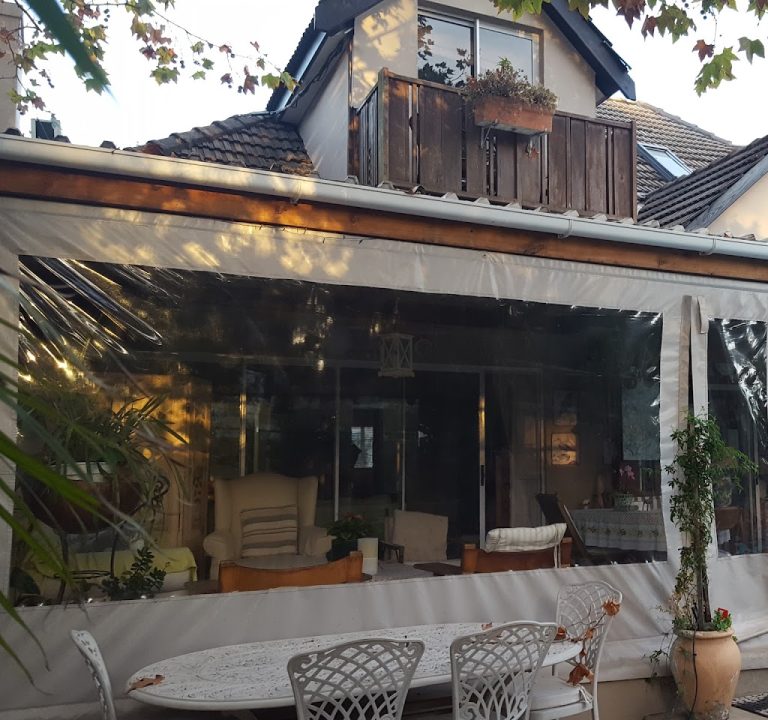
Cape Town sits where ocean, mount and meadow meet, offering a diverse mix of stays from stylish boutique stays to family-friendly lodges. When planning a visit, many travellers use Cape Town as a gateway to the Cape Peninsula, the winelands, and a coastline that ranges from sandy beaches to rugged cliffs. A well-chosen base can make the difference between a hurried itinerary and a relaxed, immersive escape. One option to consider is Glenhaven Cottages, a permitirily convenient indoor lodging choice that can suit couples seeking downtime as well as small groups looking for easy access to the city and surroundings.
Area choice matters as much as the room type. The Atlantic Seaboard and Camps Bay are popular for sea views, sun, and a quick hop to Clifton beaches. The City Centre or the Company’s Garden precinct offers easy walking access to museums, markets, restaurants, and nightlife, with a compact, walkable feel. Constantia blends green hills, wine farms and country-style retreats, often with quiet gardens and good family facilities. For wildlife and calmer beaches, look towards the southern coastline or the east side of the peninsula, where quieter neighbourhoods often provide a peaceful base while remaining well connected to main routes.
When choosing a place to stay, consider the following practical aspects. Proximity to public transport can save time and money, especially if you plan to explore beyond the peninsula. The MyCiTi bus network and Uber operate widely in the city, while some neighbourhoods are best reached by car for day trips or beach access. Walking safety and street lighting are considerations in late evenings, and some areas are hillier than others, so luggage handling and stair access may influence your choice. Look for accommodation with secure parking if you’re renting a car, or an easy connection to rideshare services if you prefer not to drive in peak hours.
Typical amenities that travellers value include reliable Wi‑Fi, air conditioning or good ventilation, and a well-equipped kitchenette or breakfast options. Many guesthouses and lodges offer en suite bathrooms, daily housekeeping, and cosy communal spaces where you can chat with hosts and fellow travellers. For families, availability of a family room or apartment-style accommodation with a separate living area can be a practical bonus. If you’re visiting during cooler evenings or windy days, a sheltered outdoor seating area or a fire pit can be particularly appealing. When booking, check the policy on fees for extra guests, cancellation windows, and any house rules that apply to shared amenities.
Best time to visit Cape Town depends on what you want from your trip. The shoulder seasons of spring and autumn typically bring mild temperatures and fewer crowds, making it ideal for hiking Table Mountain, the Kirstenbosch Botanical Garden, and the Constantia wine route. Summer (December to February) delivers long days and lively beach atmospheres along the Atlantic coast, while winter (June to August) can be cooler and wetter, ideal for exploring the city’s museums, galleries and indoor markets. It’s wise to plan for varied weather if you cycle between outdoor attractions and restaurant-hopping in the evenings.
Accommodations in Cape Town often sit close to or above coffee shops, markets, and eateries, so you’ll have plenty of options for meals without long detours. In terms of dining, you’ll find a spectrum from casual al fresco spots to refined tasting menus, with a focus on fresh seafood, South Africa’s exceptional produce and a mix of global influences. When organising restaurant days, consider budget, location and the need for reservations, particularly on weekends or public holidays when popular spots can fill quickly. If you’d like a practical plan, cluster activities by area to reduce unnecessary travel time and to maximise downtime in your chosen base.
Top attractions, in broad terms, include iconic viewpoints and nature experiences, such as a cable-car or hike up to a well-known ridge for sweeping harbour and ocean panoramas. The Cape Peninsula route offers spectacular coastal scenery and wildlife-spotting opportunities, with beaches, rugged cliffs and scenic stops along the way. Cultural experiences may include visiting historical districts, markets, and galleries that showcase Cape Town’s diverse communities. Nature lovers can explore gardens and parks such as the city’s renowned botanical spaces. For food and culture, markets and harbourfront precincts provide tasting opportunities and a sense of local life without relying on formal tours.
To help you navigate a longer stay, here is a compact checklist for planning:
- Choose a base with good transport links for day trips (Cape Town is well connected but traffic can be heavy at peak times).
- Prioritise safety: stay in well-lit neighbourhoods, keep valuables discreet, and use secure transport after dark.
- Book popular attractions in advance if possible, especially during peak season, while leaving room for spontaneous discoveries.
- Prepare for varied weather: layers work well, especially around Table Mountain and coastal breezes.
- Balance outdoor pursuits with indoor activities on cooler or rainier days.
Finally, a well-planned itinerary should balance nature, culture and food. From scenic viewpoints and wine estates to bustling markets and harbour restaurants, Cape Town offers a breadth of experiences suitable for many travel styles. With thoughtful lodging—whether a cosy cottage, a stylish apartment, or a comfortable guesthouse—the city becomes a convenient hub from which to explore the region and return to a welcoming, well-equipped home base each evening. For more information and inspiration, you can explore reputable travel sites and regional guides, and consider contacting hosts such as Glenhaven Cottages to learn about the specific amenities and local tips they offer to guests.