Discovering Cape Town: Accommodation, Attractions and Planning Your Stay
Cape Town offers a rich mix of accommodation options, from chic city-centre apartments and boutique guesthouses to panoramic hillside lodges and family-friendly self-catering homes. When planning your stay, think about what you want to experience most: dramatic coastline, scenic views, world-class dining, or easy access to beaches and vineyards. The city is hilly and spread out, so choosing a base with good transport connections or within easy reach of your preferred neighbourhoods can save time and metre metres of steep walking.
Popular areas to consider include the City Bowl, where stylish boutiques, galleries and cafes sit within a short stroll of historical sites; the Atlantic Seaboard, offering dramatic ocean views and a lively beach culture; and Constantia, famed for its wine estates and leafy tranquillity. If you’re after a nautical vibe, the V&A Waterfront area combines harbour views with a range of eateries and family-friendly activities. For a trendy, creative scene, look to Woodstock or the Bree Street corridor, where many guesthouses and small hotels balance character with modern comforts.
When looking at accommodation, consider the following common facilities and what they mean for your stay:
- Private or communal spaces: Some guests prefer a self-catering apartment with a kitchen, while others opt for a B&B or boutique hotel with on-site dining.
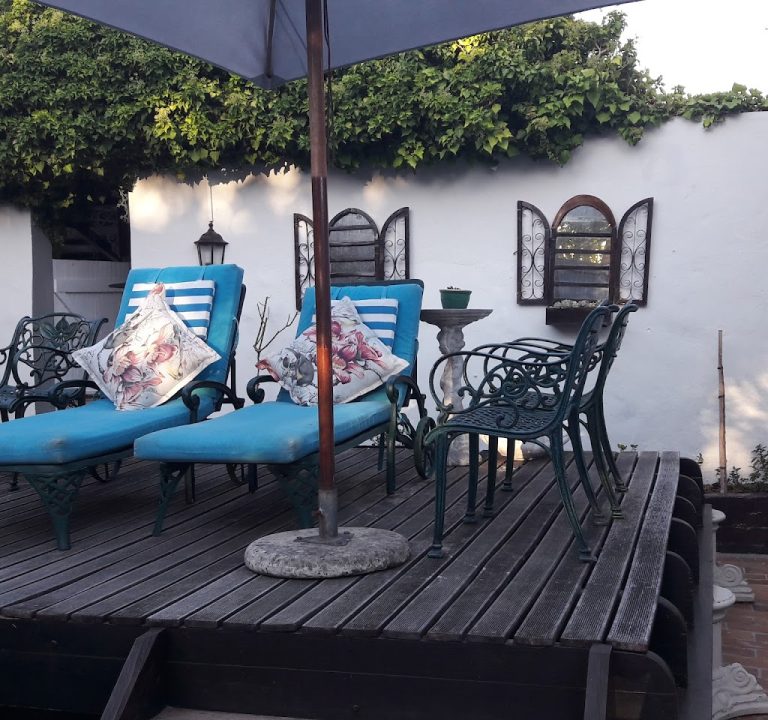
- Outdoor spaces and views: A balcony or terrace with sea or mountain viewpoints can significantly enhance your Cape Town experience.
- Parking and accessibility: If you’ll be driving or hiring a car, check for on-site parking or easy street parking; note that hilly streets can affect accessibility for some visitors.
- Security and access: Look for well-lit entrances, secure doors, and clear information about access hours, particularly in residential areas.
- Wi‑Fi and work space: If you need to stay connected, verify reliable Wi‑Fi and a suitable workspace, especially for longer stays.
Transport is a key planning factor. The MyCiTi bus network covers many tourist routes and urban areas, but services can be less frequent on weekends or in the evenings. Taxis and ride-hailing apps are widely available, though peak times around commuter hours can be busy. If you prefer exploring on your own schedule, a car rental offers flexibility for day trips to the Cape Winelands, Cape Point, and along the False Bay coast. For shorter trips, many areas are walkable, and some hotels provide shuttle services to popular attractions or the harbour.
Best time to visit Cape Town depends on what you want to do. South Africa’s seasons are opposite to the Northern Hemisphere, with summer running from December to February and winter from June to August. Spring (September to November) and autumn (March to May) are particularly pleasant for outdoor activities, with milder temperatures and less wind than mid-winter. If you’re keen on hiking Table Mountain, spring and autumn often offer clearer skies, though weather in the Cape can be changeable, so come prepared with layers and a light rain jacket.
When planning activities, prioritise a balance of cultural experiences, nature and food. Cape Town’s natural landmarks—such as the iconic mountain, coastal paths and nature reserves—offer memorable panoramas but can demand sturdy footwear and sun protection. The city’s dining scene ranges from casual seafood shacks along the coast to refined tasting menus in boutique hotels and wine estates. Many venues are mindful of sustainability and local sourcing, so you may encounter menus that highlight seasonal produce and regional wines without heavy marketing claims.
If you’re staying in a neighbourhood with easy access to attractions, you can structure day trips to maximise your time. A typical plan might include a morning visit to a seaside or mountain viewpoint, followed by a cultural or historical site in the afternoon, and a relaxed evening in a neighbourhood with restaurants and live music. For wine lovers, a day trip to the nearby Constantia or Stellenbosch and Franschhoek wine routes is a popular add-on, with many estates offering tastings in scenic settings. Families might opt for a harbour cruise or a visit to a penguin colony along the coast, while hikers can arrange routes that suit their fitness level and weather conditions.
Practical tips for a smooth stay:
- Confirm check-in arrangements and any self-check-in instructions before arrival.
- Pack sun protection, a light layer for cooler evenings, and comfortable walking shoes.
- Consult local maps or guesthouse hosts for safe walking routes, especially at night.
- Check public transport timetables and proximity to your accommodation to avoid long commutes.
- Book popular attractions and restaurant reservations in advance during peak travel periods.
As for nearby experiences, Cape Town’s surroundings provide varied options, from tranquil garden settings to artisan markets and pottery studios that reflect the region’s creative spirit. For visitors with a keen interest in craft and local design, a stop at small studios or stores can be a pleasant addition to the itinerary. If you’re seeking a place to explore while in the area, you might consider visiting local galleries or studios that specialise in traditional and contemporary South African crafts. For details on inner-city crafts and regional studios, some establishments maintain up-to-date information on their own websites or regional tourism portals.
To extend your planning with a practical stop, you can visit the online presence of a local pottery studio that offers a window into South African craft and a sense of place. Their site provides background on the studio and ongoing exhibitions or events, which can complement a broader stay in the area: The Potter Studio.