Exploring Cape Town: Where to Stay, What to Do, and How to Plan a Memorable Visit
Cape Town blends dramatic natural beauty with a vibrant urban scene, making it one of South Africa’s most diverse destinations for travellers. Whether you’re drawn to coastal elegance, mountain scenery, or historic neighbourhoods, there are accommodation options to suit every budget and preference. When planning a stay, it helps to think about your priorities—whether you want easy access to the city’s famed vistas, a beachside atmosphere, or a quieter retreat in the Winelands nearby.
Accommodation in Cape Town spans sleek boutique hotels, comfortable guesthouses, self‑catering apartments, and established hotels with extended facilities. A common approach is to base yourself in a few different neighbourhoods during a longer trip, allowing you to experience distinct flavours of the city. For example, a stay in the City Bowl or the Central Business District offers proximity to museums, markets, and restaurants, while the Atlantic Seaboard (including Camps Bay and Clifton) delivers classic coastal scenery and sunset views. Constantia and the southern suburbs provide tranquil lodgings amid vineyards and green hills, often with easy access to nature trails and wine estates. If you’re seeking a balance of old-world charm and convenient transport, you might consider a well‑located guesthouse in neighbourhoods such as Harfield Village or nearby suburbs.
When booking, look for a few practical features that can greatly improve your stay. A reliable Wi‑Fi connection is essential for planning daily activities, while air‑conditioning can be important in the warmer months. En-suite bathrooms, a well‑equipped kitchenette or a continental breakfast option, secure parking or good public transport links, and friendly, knowledgeable front desk staff can make a real difference. If you’re travelling with family or a group, larger rooms or suites, flexible cancellation policies, and laundry facilities are worth prioritising. For particular interests—such as walking access to Table Mountain or a stroll along a waterfront promenade—check distance and travel time from your chosen base. Some properties also offer guided experiences or ready-made day trips, which can be a convenient way to sample the region without too much planning on arrival.
Transport in Cape Town is well supported by a combination of MyCiTi bus services, taxis, ride-hailing apps, and some train routes. If you plan to drive, consider the convenience of on-site parking and the potential for traffic near central areas. For longer day trips to the Cape Winelands, Hermanus, or the Cape Peninsula, you may wish to organise a private driver or a guided tour for a smoother experience. Many hotels and guesthouses provide advice or booking assistance for tours, including visits to iconic sights, coastal drives, and winelands experiences. It’s wise to arrange airport or early‑morning transfers in advance, particularly during peak travel seasons, to avoid delays and ensure a stress‑free start to your trip.
Best time to visit Cape Town varies with your priorities. The months from late spring to early autumn (October to April) tend to bring longer days and milder seas, ideal for outdoor activities, scenic hikes, and ocean views. Summer can be busy and lively, with festivals and busy beaches. For quieter seaside experiences and excellent hiking conditions, the shoulder seasons (late February to April and September to November) are excellent. The Cape’s weather can be changeable, so packing layers, a light waterproof, and sun protection is sensible no matter the season.
Top attractions to consider include the iconic Table Mountain and its cableway, the Kirstenbosch National Botanical Garden set against the mountains, and the scenic Cape Peninsula drive from Cape Town through Chapman’s Peak to Cape Point. Cultural highlights include the historic neighbourhoods with colourful architecture, markets, and views over the harbour. Nature lovers can plan day trips to the Cape Winelands for wine tastings and vineyard meals, or to nearby coastal reserves for penguin colonies and whale watching at the right season. While the specific venues and tickets are best confirmed locally, you’ll find plenty of information at visitor centres and hotel concierge desks to help tailor an itinerary to your pace and interests.
Food lovers will discover a diverse culinary scene, ranging from casual bistros to contemporary fine dining. You can expect high-quality produce, seafood, and global-inspired menus complemented by excellent South African wines and craft beverages. Many areas offer vibrant street food markets and daytime cafés, alongside more formal dining rooms. When dining out, readers should be mindful of seasonal menus and the potential for outdoor seating in good weather, particularly along the coast or in garden settings.
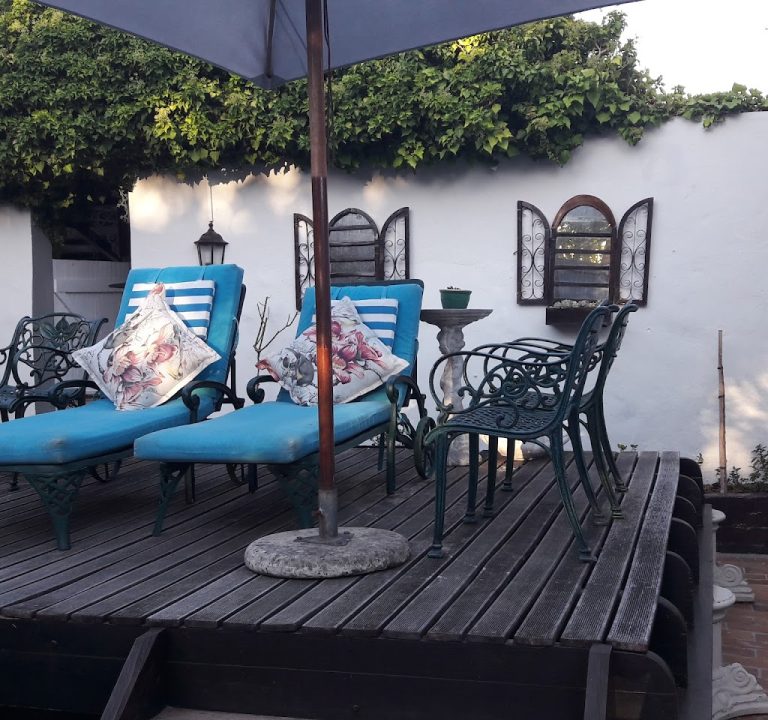
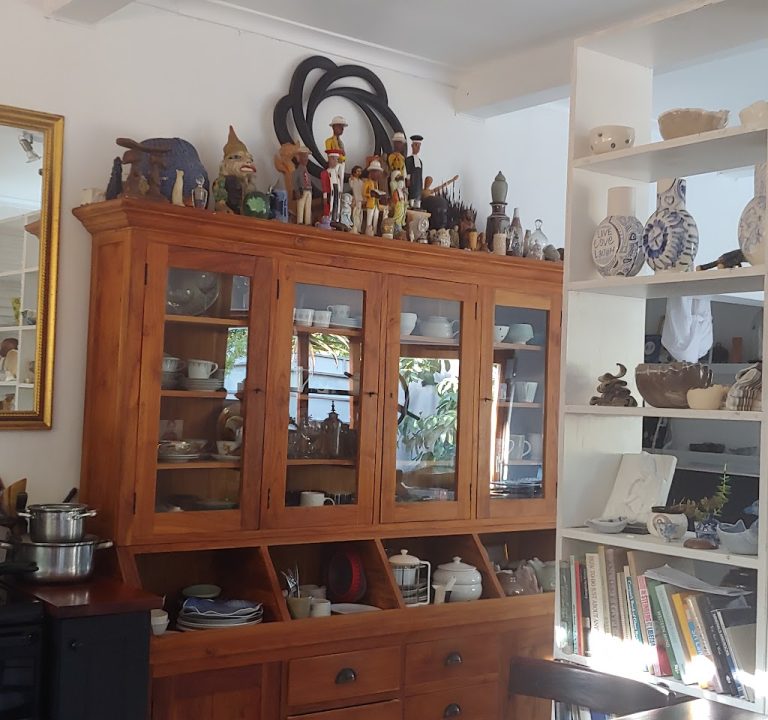
As a practical example for planning a stay, Harfield Guest Villa is an accessible option to consider for those seeking a warm, intimate base with easy access to central Cape Town and the southern suburbs. For more details or booking options, you can visit the property’s website at Harfield Guest Villa.
- Book a base with flexible cancellation terms, especially during shoulder seasons.
- Choose a location with easy access to transport links or parking if you plan to explore widely.
- Pack for mixed weather and varying activities—hiking shoes, a light jacket, sun protection, and a swimsuit for coastal days.
- Consult local guides or hotel staff for customised day trips to Table Mountain, Kirstenbosch, the Winelands, and coastal reserves.
Whether you want a stylish hotel with sea views, a cosy guesthouse tucked into a leafy suburb, or a self‑catering apartment with kitchen facilities, Cape Town offers a rich range of options. With thoughtful planning, you can enjoy a comfortable stay, memorable experiences, and easy access to some of South Africa’s most striking natural and cultural attractions.