Discovering Cape Town: Where to Stay, What to Do, and How to Plan Your Visit
Cape Town, set between the Atlantic Ocean and the iconic Table Mountain, offers a wealth of accommodation choices that suit every style and budget. From intimate bed & breakfast pockets nestled in leafy neighbourhoods to contemporary city-centre apartments with harbour views, the key to a memorable stay is to match your lodging to the experiences you seek. When planning, consider the rhythm of the city—delightful in the mornings with colour and coastline, and vibrant in the evenings with a world of dining and culture on your doorstep.
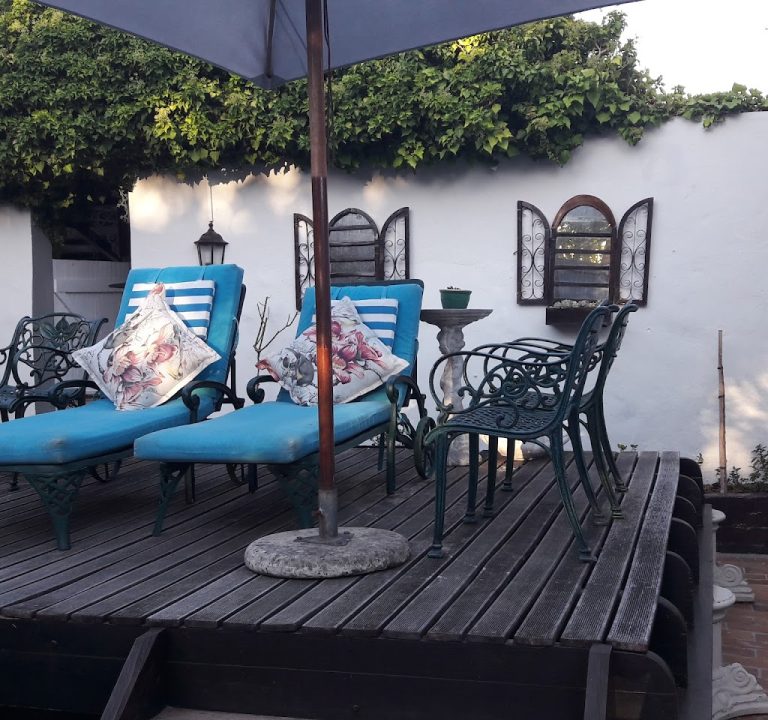
For a stay that blends hospitality with character, a bed & breakfast can be an excellent option. In districts such as the Atlantic Seaboard, the Constantia Valley, or the bohemian precincts near the city bowl, B&Bs often offer thoughtful touches, personal recommendations, and a sense of place that larger hotels sometimes struggle to convey. Ravensworth Place, for example, presents a comfortable base within reach of key attractions while providing the homey atmosphere guests value in a stay with a local flavour. When selecting a B&B, look for hosts who can share practical tips about safe transport routes, current market conditions for dining reservations, and easy access to both nature and neighbourhoods beyond the main tourist zones.
If you prefer more modern conveniences and a hotel-style balance, Cape Town’s waterfront hotels, mid-city boutique properties, and self-catering apartments provide a reliable anchor for exploring the region. What to look for includes secure parking or easy access to reliable transport, well-equipped kitchens or breakfast options, noise considerations (especially near nightlife hubs or main roads), and flexible check-in that suits early or late arrivals. In peak season, proximity to attractions—and the ability to walk or ride short distances—can save time and energy.
Transport in Cape Town is diverse and approachable. The city centre is compact enough to explore on foot, while the Atlantic Seaboard and Constantia offer spectacular landscapes best enjoyed via car or organised tours. If you plan to visit the famous landmarks or natural beauty spots, consider a mix of scheduled tours and independent days, ensuring you can alter plans if weather or crowds change. Public buses and rail services connect major areas, but for broader mobility and windows of time, renting a car or booking a private transfer may prove more convenient. For safety and comfort, choose reputable operators and be mindful of peak traffic periods along main corridors.
The best time to visit Cape Town depends on what you want from your trip. Summer (December to February) brings longer days, lively outdoor markets, and sea-friendly activities, though it is also the busiest. Autumn (March to May) offers cooler, sunny spells and fewer crowds. Spring (September to November) presents fresh wildflower displays and pleasant conditions for hiking. Winter (June to August) provides dramatic scenery and cosy dining experiences, often at lower prices. Regardless of season, plan for changing coastal winds and the possibility of microclimates, especially in the Table Mountain precinct.
When it comes to accommodation layout, guests commonly prioritise space, light, and access to outdoor areas. A balcony with sea or mountain views is a welcome feature, along with reliable wifi for work or streaming, a comfortable bed with quality linens, and a well-equipped bathroom. In terms of on-site facilities, a guest-friendly property may offer a guest lounge, secure parking, a small kitchenette, or shared living spaces that foster a sense of community. Restaurants and cafés nearby are a practical bonus, but many travellers still value an option to dine in or order a simple breakfast before heading out for a day of exploration.
To enhance your stay, plan a layered itinerary that balances outdoors, culture, and culinary experiences. Iconic landscape viewpoints and nature reserves sit alongside museums, galleries, and historic sites. In the city, you’ll encounter markets, waterfront promenades, and a dining scene that ranges from casual bistros to refined eateries. In quieter corners such as Constantia or the Southern Suburbs, wine estates and garden routes provide peaceful day trips without requiring lengthy travel. For food lovers, you’ll find a spectrum of eateries celebrating local produce, with menus that highlight seafood, seasonal greens, and Cape flavours. When booking restaurants, consider making advance reservations for weekends and popular evenings, and keep a flexible plan so you can adapt to weather or unexpected closures.
Practical tips for a smooth stay:
- Pack layers and a lightweight rain jacket for coastal breezes and variable conditions.
- Bring a charging device with a universal plug adaptor and keep a small daypack for outings.
- Check the cancellation policy before booking and verify the property’s self-check-in arrangements.
- Watch wind and safety advisories if you plan ocean activities or steep hikes.
- Use reputable booking platforms, and read guest reviews for real-world insights about location, noise levels, and neighbourhood safety.
- Book a mix of experiences, from a harbour morning to a sunset viewpoint and a market stroll, to capture different facets of Cape Town life.
For inspiration, consider staying in a neighbourhood that aligns with your desired pace. The city bowl offers immediate access to museums, galleries, and cafés, while the Atlantic Seaboard provides sweeping ocean views and easy beach access. The Constantia Valley is ideal for wine enthusiasts and parkland explorers, and the Cape Flats or nearby suburbs can offer more economical options with authentic local character. Cape Town’s magnetic appeal lies in its ability to pair a restful base with a gateway to remarkable experiences.
If you’d like to explore a curated accommodation option with character and proximity to thoughtful local experiences, you can view Ravensworth Place on Airbnb at https://www.airbnb.com/rooms/32117536?s=51. It represents the kind of stay that blends hospitality with a sense of place, inviting guests to settle in and discover Cape Town at a comfortable pace.