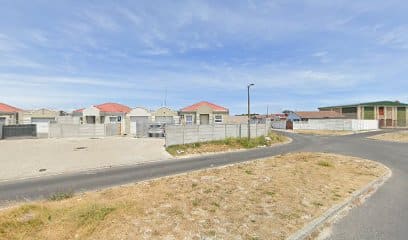
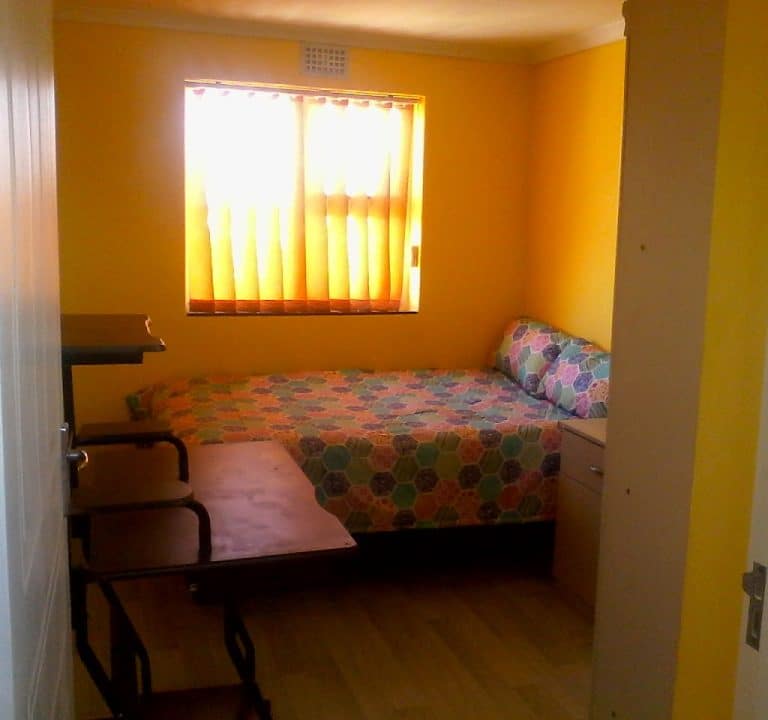
The Hutt is a Hotels establishment in Cape Town, Western Cape, South Africa
About The Hutt, Cape Town
At present, the official webpage for The Hutt Hotel in Cape Town appears to be unavailable, returning a 404 error. As a result, detailed information about the property’s accommodation options, on-site facilities, policies, and pricing is not openly accessible on the primary source.
With the current page offering limited details, prospective guests are advised to verify essential information through alternative channels and to compare nearby listings to gauge typical offerings in the area. The lodging is positioned within Cape Town, Western Cape, a region renowned for its blend of urban, coastal, and cultural attractions, which may appeal to travellers seeking convenient access to the city and its surroundings.
When planning a stay in this part of Cape Town, common considerations include room configuration, whether breakfast is included, secure parking, Wi‑Fi reliability, and any self-catering amenities. Because these specifics are not published on the current page, travellers should look for updated details directly via the site or through other reputable travel platforms, and utilise the official website to submit enquiries before booking.
Despite the lack of explicit details on the page, The Hutt’s location in Cape Town positions it within a vibrant tourist region. Visitors often weigh proximity to local neighbourhoods, accessibility to public transport, and the overall ambience of the area when choosing accommodation for different trips—whether a city break, business visit, or coastal excursion along the Western Cape.
- Booking tip: Consult the official site or trusted travel platforms for the most accurate information on room types, on-site amenities, and rates before making arrangements.
- Travel tip: If a precise address or neighbourhood context is needed, consider using reliable map services or contacting the property via the official website for clarification prior to travel.
For those who prefer a direct source of truth, bookmarking the page and revisiting once the site is updated may be worthwhile. The linked page provides the official point of reference for The Hutt, and can be accessed here: The Hutt – The Hutt Hotel.
Cape Town
Western Cape
0001
South Africa
Accommodating Cape Town: Where to stay, what to expect, and how to enjoy it
Cape Town is a destination where scenery, culture and cuisine converge, making every stay varied and rewarding. When planning accommodation, think about what you want from your visit: dramatic coastal views, easy access to vibrant city life, or a calm base from which to explore the Winelands and the Cape Peninsula. The city offers a wide range of options, from boutique guesthouses in leafy neighbourhoods to contemporary hotels with sweeping harbour or mountain views, and self‑catering apartments that suit families or groups.
Areas to consider include the City Bowl for a central, walkable experience with museums, cafés and nightlife; the Atlantic Seaboard for iconic seaside scenery and refined dining; and the southern suburbs for peaceful stays near Kirstenbosch and scenic drives along Chapman’s Peak. If you are travelling with children or prefer easy beach access, the Camps Bay and Clifton coastlines are convenient, though prices can be higher. For a more local atmosphere and lower key rates, neighbourhoods such as Woodstock, Observatory, and Green Point offer characterful options close to public transport and popular attractions.
When selecting a property, look for key features that align with how you will spend your days. A strong Wi‑Fi connection, a dependable hot water supply, and clear access to parking or reliable transport links can save time and stress. Beachfront rooms may include compact balconies or terraces with ocean views, while city‑centre stays often promise easy dining and nightlife access. Many B&Bs and guesthouses in Cape Town pride themselves on hearty breakfasts, which can set a convenient tone for busy touring days. If you prefer self‑catering, check for a well‑equipped kitchen, laundry facilities, and flexible check‑in arrangements.
Typical amenities to look for include air conditioning or good cross‑ventilation for sunny days, a secure entrance, and thoughtful toiletries. In some areas, the ability to arrange airport transfers, guided tours, or restaurant reservations through the host or front desk can be a practical plus. If you enjoy a social atmosphere, a shared lounge or communal kitchen can be a welcome feature. For families, a property with spacious rooms, a kitchenette, and a safe neighbourhood is worth prioritising. Pet‑friendly options are available in some locations, but it’s best to confirm policy in advance.
Public transport in Cape Town is a practical consideration. The MyCiTi bus network covers many tourist hubs and major neighbourhoods, while the City’s railway lines connect to areas beyond the immediate centre. Hiring a car offers flexibility for exploring the Cape Peninsula, the Winelands, and day trips to Cape Point, but some guests prefer the ease of organised tours or ride‑hailing services to avoid city driving. If you plan to visit nature reserves or popular viewpoints, consider staying near a route with reliable parking and shorter driving distances after dusk, as some roads can be steep or winding.
The best time to visit Cape Town depends on your priorities. Late spring (September to November) and autumn (March to May) offer mild weather, fewer crowds than peak winter or summer, and excellent photographic light for vistas ofTable Mountain and the coastline. Summer (December to February) is festival season with longer days and lively outdoor spaces, while winter (June to August) brings cooler, wetter weather—an ideal time for green landscapes and fewer crowds if you favour a quieter break. Always check local conditions in advance, particularly for coastal drives and mountain routes, which can be affected by weather.
When it comes to attractions and dining, Cape Town presents a broad mix without relying on specific operator names. Expect world‑class natural landmarks, such as accessible viewpoints along the Atlantic coast, the iconic Table Mountain cableway, and scenic drives that offer panorama after panorama. Cultural experiences range from historic neighbourhoods with colourful architecture to markets that showcase local crafts, fashion, and street food. In terms of restaurants, plan for a spectrum from casual bistros to more refined establishments that emphasise fresh seafood, seasonal vegetables, and regional wines. A balanced itinerary often includes a morning walk or hike, a relaxed lunch by the harbour or a seaside promenade, and an afternoon visit to a museum, gallery, or botanical garden. Evening options generally feature al fresco dining on a warm day and lively rooftops or wine bars after dark.
To illustrate accommodation options in the region, consider a stay with a small, characterful hotel or guesthouse that offers a personal touch and guest recommendations. For example, a property such as The Hutt, located with an accessible online presence, can provide a comfortable base from which to explore the area. Visitors can expect a hospitable environment, practical room configurations, and access to local guidance, as well as links to a property’s official website for booking and policy details. Such options can be convenient for travellers who value convenience, thoughtful service, and a sense of place.
Practical planning tips to help you make the most of your stay:
- Book with flex‑friendly policies when possible, in case plans change.
- Check the neighbourhood's walkability and safety, particularly if you plan evening outings.
- Confirm parking arrangements and access times for late arrivals.
- Ask hosts or front desk staff for up‑to‑date tips on markets, galleries, and scenic routes.
- Budget extra for taxis or rideshares after dark if you are exploring nightlife or distant eateries.
Cape Town rewards careful planning with a rich tapestry of experiences. With the right accommodation, a well‑paced itinerary and flexible expectations, your stay can be as much about the journey as the sights—whether you are watching the sun slip behind the peaks, sipping wine beneath a cobalt sky, or discovering a hidden café in a bustling neighbourhood. For more information on specific properties and their facilities, explore the official pages of your chosen accommodation and any linked websites that you trust.
Sorry, no records were found. Please adjust your search criteria and try again.
Sorry, unable to load the Maps API.
Why Claim Your Listing?
Claiming your listing on the B&B Finder directory website is a valuable opportunity for business owners. Here are five reasons why you should consider claiming your listings:
Control Over Business Information: By claiming their listing, business owners can ensure that all the information presented is accurate and up-to-date. This includes details such as contact information, address, pricing, and available services or amenities. Accurate information helps prevent customer confusion and improves overall satisfaction.
Enhance the Listing: Once a listing is claimed, owners can enhance it by adding more comprehensive information and rich media, like high-quality photos and videos. These additions can make the listing more attractive and engaging to potential customers, thereby increasing the likelihood of bookings.
Marketing Opportunities: Claiming a listing can also open up additional marketing opportunities. Owners may be able to participate in promotional campaigns, special offers, and other marketing activities organized by the directory. This can increase visibility and attract more customers to the business.