Accommodating Cape Town: Where to stay, what to look for, and how to plan your visit
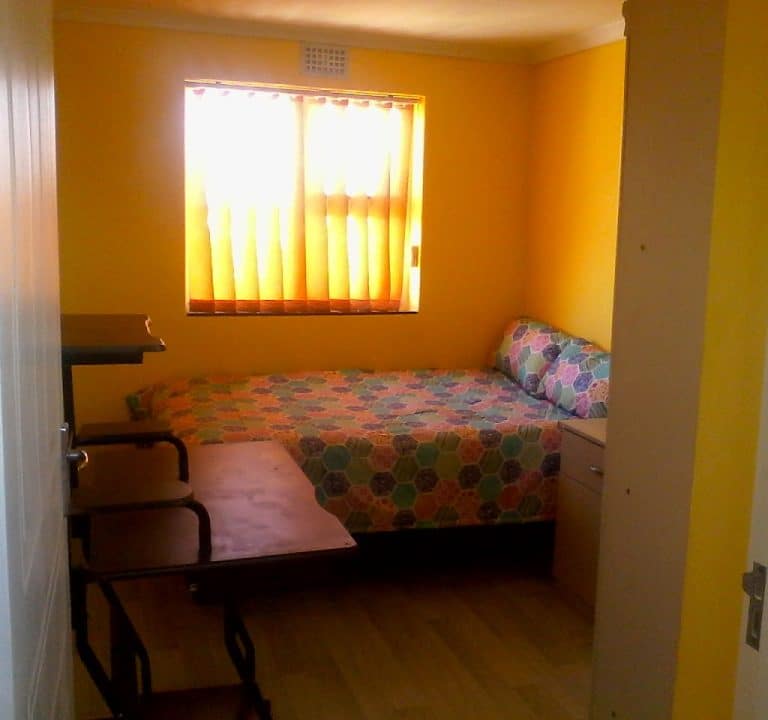
Cape Town is a vibrant gateway to the Western Cape, offering a mix of urban energy, coastal scenery and easy access to wine routes and nature reserves. When choosing accommodation, think about what you want from your stay: pace, views, access to transport, and proximity to the city’s diverse neighbourhoods. A serviced accommodation option such as Pimp My Wendy can be a convenient base for travellers seeking consistency and a home-from-home feel, with the comfort of hotel-style services while staying in a residential setting. Always check what is included in the price—cleaning schedules, linen changes, and any on-site amenities can make a big difference to your comfort levels during a longer visit.
To help you decide where to base your stay, consider these key areas in and around Cape Town:
- City Centre and the Victoria & Alfred Waterfront – convenient for urban exploration, dining and culture, with good access to public transport and hop-on hop-off tours.
- Atlantic Seaboard (including Green Point, Sea Point and Camps Bay) – famous for sea views, sunset strolls along the promontory, and a range of stylish hotels and self-catering options.
- Bo-Kaap and the historic district – compact streets, colourful houses and cultural experiences, ideal for walkers who enjoy skyline backdrops and proximity to museums and markets.
- Constantia and the eastern slopes – leafy, tranquil neighbourhoods ideal for families and travellers seeking larger properties, wine-tasting and scenic drives.
- Woodstock and Observatory – up-and-coming areas with boutique stays, creative eateries and easy access to the city’s cultural scene.
When booking, look for several practical amenities that will improve convenience and comfort. A well-equipped kitchen or kitchenette can save on meals, while on-site laundry facilities reduce packing needs. Reliable Wi‑Fi is essential for work or streaming, and air conditioning or effective heating helps with Cape Town’s variable climate. If you’re travelling in peak season, a property with secure parking or good street safety features is worth prioritising. Check whether the price includes daily housekeeping, a flexible check-in policy, and a clear cancellation option, which can be particularly important in unpredictable itineraries.
Transport options in Cape Town are diverse. The MyCiTi bus system offers city routes and some regional connections, while Uber and other ride-hailing services are widely used for quick and convenient journeys. If you plan to explore beyond the immediate area—such as the Cape Winelands, Cape Point, or nature reserves in the surrounding coastline—consider whether the accommodation offers easy access to car hire or private transfers. For those who enjoy scenic rides, staying along the Atlantic Seaboard might reduce transit times to popular viewpoints and beaches, though some areas can be busier in peak months.
The best time to visit Cape Town depends on your priorities. Spring (September to November) brings wildflowers and milder weather, while autumn (March to May) offers pleasant temperatures and fewer crowds. Summer (December to February) is peak season with long days, beach-going, and a lively city atmosphere, but prices can be higher and popular spots busier. Winter (June to August) is cooler and sometimes windy, yet the city’s indoor dining and cultural events thrive, and room rates can be more affordable outside holidays. If your schedule is flexible, consider shoulder seasons to balance weather, crowds, and value.
Accommodation in Cape Town typically spans serviced apartments, boutique guesthouses, and hotels. Serviced options can blend hotel-style service with apartment comfort, providing flexible layouts for solo travellers, couples, and families. Look for properties with thoughtful touches such as comfortable bedding, blackout curtains, well-equipped kitchens, and dependable housekeeping. A good property should offer privacy and security, with clear access instructions, and responsive guest support either in-person or via messaging platforms.
Nearby attractions and experiences are plentiful, and planning can help you maximise your time. Iconic natural landscapes sit close to the city, with easy access to Table Mountain via cable car or hiking routes, and to viewpoints along the Atlantic coast. The V&A Waterfront serves as a hub for shopping, casual dining, and harbour views, while markets, museums and galleries offer cultural insights. Day trips to the Cape Peninsula, where rugged coastlines meet wildlife reserves, or to wine regions such as Constantia or nearby Stellenbosch and Paarl, provide memorable excursions. Dining possibilities range from casual seafood shacks to refined eateries, with a strong emphasis on fresh ingredients and multicultural flavours reflecting Cape Town’s diverse communities.
Practical tips for a smooth stay:
- Book early for peak periods, especially if you have specific neighbourhoods in mind or need a property with particular amenities.
- Check access times and security features for late arrivals or early departures.
- Bring a light layer for cooler coastal evenings and sun protection for daytime explorations along the coast.
- Plan self-catering meals to balance dining experiences with local markets and fresh produce stalls.
- Be mindful of weather patterns and possible load-shedding schedules in some districts; having a backup plan for essential appliances can help.
- Respect local neighbourhood cues when exploring by foot, especially in historic areas with narrow lanes and steep streets.
With a thoughtful approach to where you stay and how you plan your days, Cape Town can offer a balanced, rewarding visit that combines city comforts with unforgettable access to nature, culture and cuisine. For more inspiration, explore official tourism resources and browse individual property pages to refine your choice to suit your travel style and budget.