Cape Town: Accommodation, Attractions and Practical Tips for a Memorable Stay
Cape Town in the Western Cape is a city of contrasts and natural beauty, offering a wide range of places to stay that suit different budgets and itineraries. From stylish harbour-side apartments to coastal villas and rural retreats a short drive from the city, it is easy to tailor a visit around your preferred pace. When planning a stay, think about which neighbourhoods align with your interests, how you want to move around, and the type of experience you want to wake up to each morning.
Areas to consider include the City Bowl for convenience and views, the Atlantic Seaboard (Camps Bay and Clifton) for crashing waves and sunset scenes, Green Point and the V&A Waterfront for easy access to waterfront attractions, and Constantia or the nearby winelands for a quieter rural feel with excellent dining and wine experiences. If you prefer a waterfront vibe with active nightlife and a compact centre, the harbour and foreshore districts offer plenty of options. For families and self-catering travellers, a home or apartment in a leafy suburb with easy access to the city and the Atlantic coast can provide a comfortable base with space to breathe.
When you book, look for features that genuinely enhance a stay. A well-equipped kitchen or kitchenette is convenient for longer visits, while in-unit laundry saves time on holiday packing. Secure off-street parking can be essential, particularly in busier areas, and reliable wi‑fi helps with planning day trips and reserving experiences. Check for accessible public transport links such as bus routes or proximity to MyCiTi stations, as well as easy access to major roads if you are planning day trips beyond the city centre. A strong host or management presence offering local tips can be invaluable for offbeat activities and restaurant ideas.
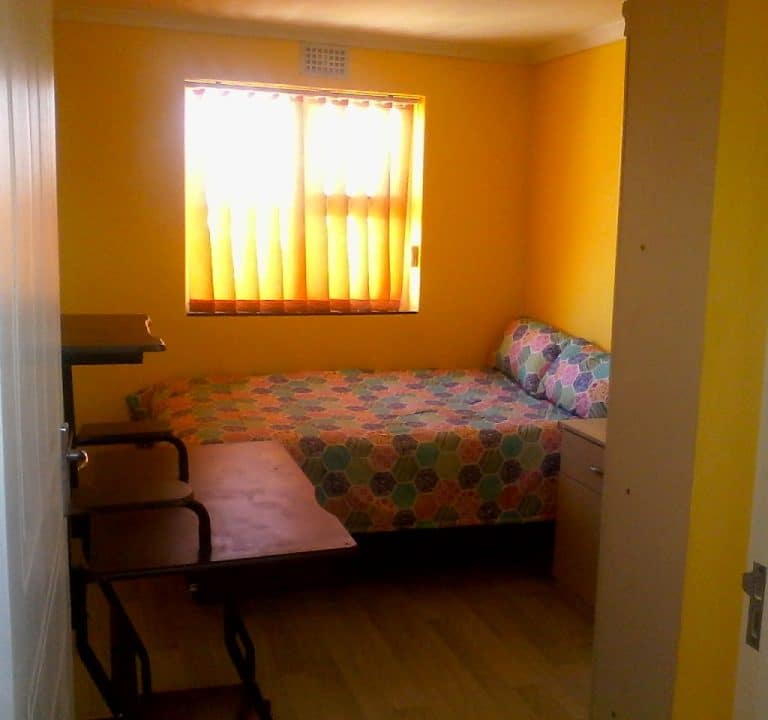
Typical amenities you might encounter include comfortable furnishings, ample natural light, climate control for the varying Cape Town weather, and generous storage space for longer stays. Self-catering properties often feature well-designed kitchens, a dining area, and outdoor spaces such as balconies or terraces with views. For hotel or guesthouse guests, expect daily housekeeping, a reception desk with casual assistance, and sometimes on-site dining or breakfast options. When evaluating accommodation, consider whether the property provides clear guidance on security, such as building access, neighbourhood safety, and on-site measures that help you feel comfortable returning after a day of exploring.
Transport in Cape Town is straightforward but can be busy, so plan how you will get around. The MyCiTi bus network serves many parts of the city and suburbs, while ride-hailing services are widely available. If you plan to visit the Cape Peninsula, hire a car for flexibility, though some scenic areas are best enjoyed with a driver or guided tour. Parking can be limited in central areas, and on-street parking may require payment. Checking near-neighbourhood rules for parking and understanding access to the property’s own parking is worth noting before booking. If you prefer a car-free base, choose accommodation close to the V&A Waterfront or the City Bowl where you can walk to many attractions and use public transport for longer trips.
The best time to visit Cape Town depends on your plans. Spring (late September to November) brings colour to gardens and pleasant weather, while summer (December to February) offers long days and outdoor events. Autumn (March to May) is another comfortable period with fewer crowds, and winter (June to August) can be cooler and rainier, though the city remains vibrant with museums, markets and indoor venues. If you plan to visit the Cape’s famed winelands, consider a day trip in dry, mild weather when road conditions are predictable and outdoor tastings can be enjoyed. Always check local forecasts and plan for dramatic weather changes, especially on the coastline and Table Mountain area.
Practical tips to help you enjoy a smoother stay:
- Book in advance for peak seasons and major events, and read recent guest reviews to gauge consistency and service quality.
- Pack a light layer for cooler evenings near the coast and a sunhat for daytime sightseeing.
- Bring comfortable walking shoes for hills, uneven pavements and the varied terrain around popular attractions.
- Plan a mixed itinerary that combines scenic viewpoints, cultural experiences, and time to simply unwind at your accommodation.
- Respect local safety guidance and keep valuables secure, particularly in crowded urban areas.
Top attractions and experiences are varied and can suit different interests. Natural highlights include sweeping coastal panoramas from headlands, hiking routes with panoramic city and sea views, and botanical gardens that showcase Cape flora. Cultural experiences span museums and historic sites that tell the story of the region, coupled with vibrant markets and neighbourhood restaurants offering a range of cuisines. The waterfront area remains a popular hub for strolls, casual dining and enjoying views of the harbour. Beyond the city, guided tours can introduce you to the Cape Peninsula’s dramatic coastal scenery and the nearby winelands, where estates offer tastings and cellar tours in scenic surroundings.
For dining, you will find everything from informal cafes serving hearty breakfasts to refined dining rooms with contemporary South African menus. In many areas you can expect a casual, friendly atmosphere with the option to sample wines from nearby regions. When you choose a place, consider reservations for popular times and flexibility in case plans shift. If you are exploring on a self-catering basis, local grocers and markets offer fresh produce and regional specialities that make a stay feel truly connected to the area.
For a practical starting point, you can explore official tourism resources and regional guides for current visitor information, suggested itineraries and general tips. A well-chosen base in Cape Town can open up a wide array of experiences—land, sea and culture—while Slangrivier and similar holiday homes across the Western Cape offer opportunities to balance city explorations with a peaceful retreat. Learn more at official tourism sites or local travel planners to tailor your stay to your interests: Cape Town Tourism and regional guides provide current ideas and practicalities to help plan your trip.