Cape Town: accommodation, attractions and planning your stay
Cape Town is a compact city that balances spectacular natural scenery with a rich tapestry of neighbourhoods, making it possible to tailor a stay to almost any travel style. When choosing where to base yourself, consider the pace you want and the kinds of activities you favour. A stay centred around the harbour and city bowl offers easy access to sights, dining and nightlife, while the Atlantic Seaboard and the Constantia Valley provide more relaxed scenery, vineyards and long coastal drives. For a stay with real character, a boutique lodge or guesthouse in a diverse neighbourhood can provide a sense of place, combined with personalised service.
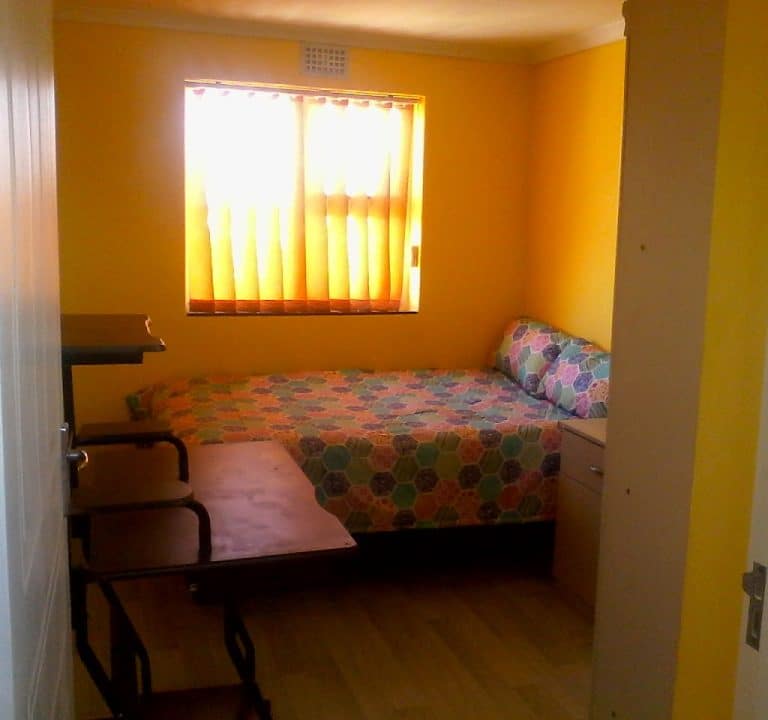
Rocky lodge, a well located option within the Hotel category, exemplifies the approach many visitors take: comfortable rooms, attentive service and proximity to a mix of eateries and attractions. Whether you prefer modern comforts or a boutique experience, you’ll likely find a property that aligns with your budget and itinerary.
What to look for when booking
- Quiet corners and access to light: Cape Town’s hills and streets can be lively; seek properties with soundproofing, air conditioning or good ceiling fans for warm evenings.
- Public transport and parking: If you plan to explore beyond your base, check whether the accommodation offers easy access to MyCiTi bus routes, metro services, or hire car options. Safe, on-site parking or straightforward street parking can save time.
- Amenities that fit your routine: Small touches like a reliable Wi-Fi connection, a well-equipped kitchenette or a continental breakfast can influence daily plans. Pools, sun decks or terraces are especially appealing for a city with outdoor opportunities.
- Location highlights: Proximity to the coastline, viewpoints, markets or dining districts can reduce transit time and increase chances of spontaneous exploring.
- Flexible booking terms: Consider properties with clear cancellation policies and responsive guest services, particularly if your plans may shift.
Typical amenities and how they help you plan
Most mid-range and boutique properties in Cape Town offer en-suite rooms, daily housekeeping, and access to common areas such as lounges or verandas with city or mountain views. Many guesthouses include breakfast as part of the rate, which can streamline mornings before a day of sightseeing. Modern lodges and some hotels provide 24-hour front desk support, secure access, and well-equipped kitchens or tea/coffee amenities. For families or groups, larger suites or interconnecting rooms can be valuable, while boutique spots often emphasise comfortable lounges and charming communal spaces that encourage a slower pace after a day on the go.
Transport, getting around and safety
Cape Town’s geography makes some areas easier to access by foot or public transport than others. The city centre and V&A Waterfront are walkable in pleasant weather, while the Atlantic Seaboard and Constantia Valley are better navigated by car or organised tours. If you’re driving, ensure your accommodation has clear guidance on safe parking. For those relying on public transport, choose properties near MyCiTi routes or train stations with straightforward access to major sights. If you’re venturing to the nearby Cape Flats or townships for cultural experiences, book through reputable operators or your hotel’s concierge to ensure safety and reliability.
Best time to visit and practical planning
Cape Town enjoys a temperate climate, with warm summers and mild winters. The spring and autumn shoulder seasons tend to offer pleasant weather with fewer crowds, making it a comfortable choice for sightseeing and outdoor activities. Summer, from December to February, is peak season and can be busy, but also offers long days ideal for coastal walks and outdoor dining. Winter, while cooler and with a higher chance of rain, presents dramatic landscapes and fewer crowds, which can be appealing for visitors seeking tranquility.
Practicalities that help you make the most of your stay
- Pack layers: Coastal winds can be cooler than expected, especially near the water or on table-facing viewpoints.
- Plan outdoor activities for morning or late afternoon: Table Mountain and coastal paths are most enjoyable when the sun isn’t at its peak.
- Allow downtime: A slower afternoon for a coffee stop, a stroll through a neighbourhood market, or a harbour vantage point often enhances the overall experience.
- Eat and drink thoughtfully: Cape Town’s dining scene ranges from casual seaside spots to refined eateries. Seek recommendations from your accommodation or trusted guides to discover places that match your tastes and budget.
- Respect local etiquette and safety guidelines: Stay alert in bustling areas and respect local norms, particularly when exploring markets or public spaces.
Areas to consider when choosing a base
- City centre and the vibrancy of the Cape Town core: convenient for walking access to museums, galleries, dining and nightlife.
- The V&A Waterfront: a lively hub with excellent dining options, easy access to harbour cruises and scenic viewpoints.
- The Atlantic Seaboard: Camps Bay and Clifton offer dramatic coastline and beaches with upscale dining and panoramic views.
- Constantia and nearby wine routes: a calmer backdrop with vineyards, greenery and easy day trips to nearby towns.
If you’re organising a Cape Town stay, a well-situated hotel or guesthouse can act as a reliable anchor for exploring both famous sights and hidden gems. With thoughtful planning around location, transport, and practical needs, you can tailor a visit that balances scenic landscapes, culinary variety and authentic local experiences. For inspiration, start with reputable guides and consult your chosen accommodation’s recommendations, which can help you map a flexible, memorable itinerary.