Queenstown, Eastern Cape: accommodation, attractions and practical planning tips
Queenstown in the Eastern Cape offers a relaxed, small-town atmosphere with a backdrop of dramatic landscapes and friendly hospitality. Whether you are seeking a cosy guesthouse, a characterful B&B, or a comfortable self-catering option, the town centres around approachable itineraries, rural scenery and easy access to surrounding farmsteads, rivers and plains. When planning a stay, consider the pace you want, how long you wish to explore the area and the kinds of experiences that will make your trip memorable.
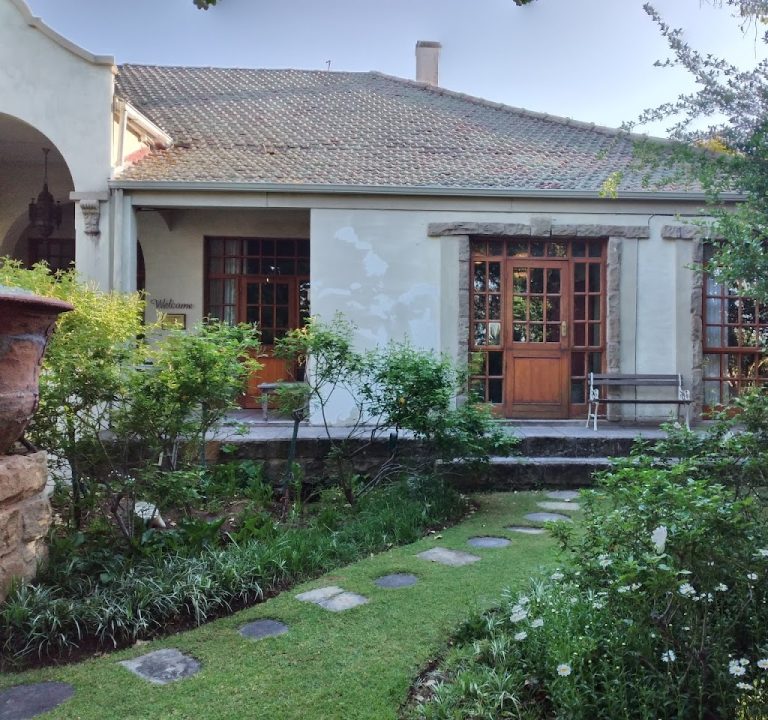
Accommodation in Queenstown ranges from traditional guesthouses and boutique stays to self-contained units and small hotels located near the town centre or along quieter residential streets. A typical stay might include access to a private or shared lounge area, clean en-suite bathrooms, and a separate entrance or parking space. Many properties prioritise good lighting, secure parking, reliable wi‑fi, and clear information about local markets, eateries and day trips. If you are travelling with family or a group, look for options that offer larger rooms, an extra sleeping area, or a small kitchenette, which can simplify planning and budgets.
When choosing where to stay, think about proximity to the town’s amenities and to outdoor options. A centrally located guesthouse or small hotel can be convenient for everyday meals, a stroll to shops, and quick access to information desks or tourist office resources. If you prefer a more tranquil setting, a guesthouse on the outskirts or in a rural lane can provide a sense of space and a scenic start to each day’s activities. Transport arrangements are practical considerations: verify whether the property offers on-site parking, easy access to major routes, or a reliable shuttle option for day trips.
Typical amenities in Queenstown guesthouses and hotels include comfortable furnishings, clean linen, heating or cooling depending on the season, and practical kitchens or kitchenettes in self-catering units. A good breakfast is a popular feature, often with a choice of light options or a hearty full offering. Some properties may provide guidance on local walking routes, suggested daily itineraries, and seasonal events. If you are visiting in the warmer months, an outdoor seating area or garden can be a welcome retreat after a day of sightseeing. In winter, consider guests with a fire feature or a cosy lounge where you can unwind with a book or a conversation with fellow travellers.
Getting around Queenstown and the surrounding countryside is straightforward with several transport options. If you plan to explore beyond the town, a car is the most flexible choice, allowing you to follow secondary roads to viewpoints, farms and small settlements. For those who prefer not to drive, check whether your accommodation can arrange transfers or if there are reliable local taxi or ride‑share services. Within town, many areas are walkable and pleasant for a morning stroll to a market or a café. If you are staying near the outskirts, a short drive to nearby rivers, reserves or viewpoints makes day trips simple and efficient.
The best time to visit Queenstown depends on what you want from your trip. Spring and autumn offer mild weather and fewer crowds, which is ideal for walking, cycling and enjoying the surrounding scenery. Summer brings longer days and outdoor activities, while winter can be quiet and contemplative, with crisp air and clear skies that are perfect for stargazing or photography. Pack according to the season and be prepared for occasional changes in weather in the Highveld subtropical climate. A practical tip is to have adaptable layers—cool mornings and evenings can be fresh, with warmer afternoons as the sun climbs.
Residents and visitors often position Queenstown as a good base for exploring rural Eastern Cape. In terms of experiences, you might expect a mix of farm visits, nature walks, and opportunities to learn about regional histories and cultures. When selecting activities, assess what interests you most—wildlife, landscapes, history, or local cuisine—and use prompts from your accommodation host or the town’s visitor information to tailor a personalised itinerary. While many experiences can be enjoyed independently, guided walks or half‑day tours can also deepen your understanding of the area’s agricultural roots and rural communities.
Dining in and around Queenstown is varied, with options ranging from modest cafés to more substantial restaurants. In general terms, you can anticipate comforting regional fare, seasonal ingredients and a focus on generous portions. If you enjoy a particular dish or style, you should not hesitate to ask your hosts or the restaurant staff for recommendations about local producers or nearby markets. For a self‑cufficient stay, you might prefer guesthouses that offer a simple kitchen or breakfast provisions, allowing you to prepare a light meal after a day of exploring.
Practical planning notes for visitors include booking ahead during peak holiday periods and checking cancellation policies, especially for longer stays or during regional events. Confirm arrival times with your host or accommodation, and discuss parking arrangements, access to common areas, and any quiet hours. If you plan to visit during the region’s busier seasons, consider a flexible itinerary that balances popular highlights with quieter, lesser‑known corners. Finally, take a moment to read a few guest reviews to gauge the character of a stay and how well it aligns with your travel style.
For a stay rooted in friendly hospitality and easy access to scenic surroundings, consider options such as guesthouses or cosy B&Bs in Queenstown. You can discover local hospitality through reputable websites that provide property details, photos, and essential information to help you compare options, choose a suitable area, and plan a well‑paced itinerary. A thoughtful plan, comfortable accommodation, and a sense of curiosity will help you make the most of your visit to this small but inviting corner of the Eastern Cape.