Queenstown, Eastern Cape: Accommodation, Attractions and Practical Planning
Queenstown in the Eastern Cape offers a blend of rural scenery, easy access to outdoor spaces, and a relaxed town atmosphere that suits travellers seeking a comfortable base with a touch of South African character. When planning a stay, consider the area’s surrounding landscapes, the pace you want, and how you’ll move around to make the most of your visit. Indoor lodging options, guesthouses and small hotels provide a range of atmospheres, from cosy, homely stays to more contemporary settings, all within reach of city amenities and scenic viewpoints.
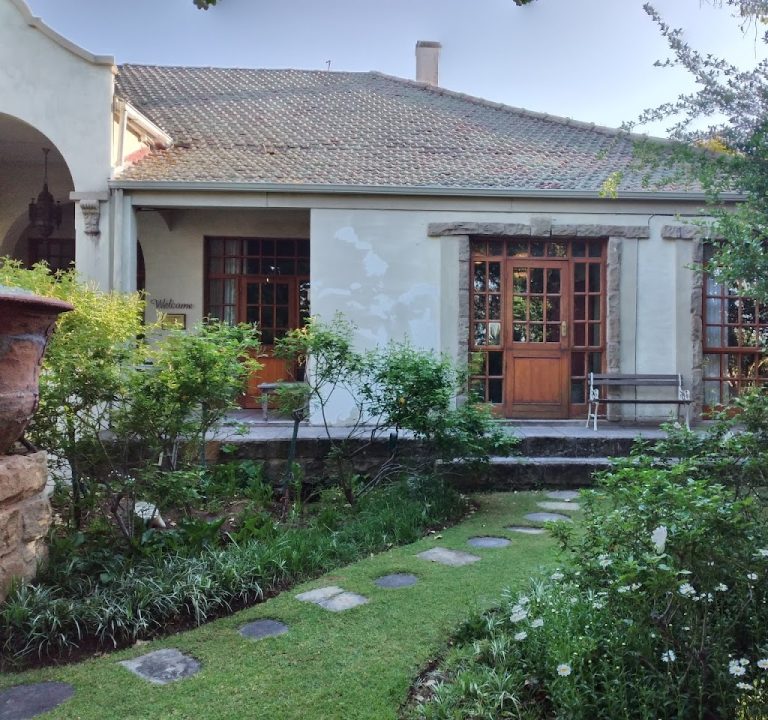
Areas to consider when booking include the town centre, where most guesthouses and inns are close to shops, cafés and the main transport routes. Suburban or hillside locations can offer quieter nights and views over the valley, while lodges near nature reserves or rural roads provide quicker access to outdoor activities. Think about your daily plan: do you want to stroll to meals, or are you likely to hire a car to explore the wider region? Buxton Lodge and similar indoor lodging options can serve as convenient anchors for either approach, providing a comfortable retreat after day trips.
Typical amenities to look for include reliable Wi‑Fi for quick online planning, adequate parking if you’re driving, and clear information on local transport options. A guest lounge or communal dining area can be a plus for meeting fellow travellers, while a well-equipped kitchen or continental breakfast can simplify mornings before a day of sightseeing. If you’re travelling with family, check for family-friendly rooms or suites, and if you’re seeking a romantic break, look for quiet corners or rooms with good natural light and privacy. Seasonal considerations—such as heating for cooler months and breathable spaces for warmer periods—are worth confirming in advance.
Transport within Queenstown and the surrounding areas is usually best served by a private car or a rental vehicle, given the spread of attractions and the convenience of reaching viewpoints and nature trails. Public transport exists but can be limited outside the town centre. If you don’t plan to drive, check whether your accommodation offers a shuttle service or can help coordinate transfers to nearby towns or entrances to parks and reserves. In advance, request clear directions for local routes, parking rules, and the best places to drop off passengers near the town’s amenities.
Best time to visit Queenstown depends on what you’re after. The region enjoys a temperate climate with warm summers and cooler winters. Spring and autumn can offer pleasant temperatures for outdoor activities and sightseeing without the peak crowds of peak-season holidays. Winter nights bring a chill that makes a cosy accommodation with a fireplace or heating appeal, while summer can be comfortable for hill walks, photography, and riverside strolls. It’s wise to check local seasonal events, market days, or cultural activities that may influence availability or crowd levels, and to book well in advance for popular weekends or holiday periods.
Practical tips to help you plan a smoother stay:
- Read guest reviews with an eye for location-related details, such as noise levels, access to parking, and nearby dining options.
- Ask about suggested day trips and practicalities like road conditions, especially if visiting in the shoulder seasons or after rain.
- Request flexible arrival and departure times when possible, particularly if you have long travel days or a tight itinerary.
- Confirm the availability of basic amenities such as heating, hot water, and laundry facilities if you’ll be away from home for an extended period.
- Plan meals around proximity to cafés or eateries, or choose lodging with kitchen facilities if you prefer self-catering.
While in Queenstown, you’ll likely encounter a range of outdoor and cultural experiences typical of the Eastern Cape. Scenic drives or short walks in nearby valleys can offer photo moments and a sense of the landscape’s scale. If you’re interested in local history or culture, look for guided tours or museums that contextualise the town’s development and its surrounding communities. For dining, many establishments emphasise seasonal ingredients and relaxed, friendly service—perfect for unwinding after a day of exploration. While prices and menus fluctuate, the emphasis tends to be on hearty, straightforward meals that reflect regional flavours, rather than on high-tourist pricing.
When selecting accommodation, it helps to align your choice with your daily plans. An easy-centre location reduces transit time for short strolls or casual evenings, whereas a more secluded base can offer quieter surroundings and a sense of retreat after busy days. If you’re undecided, consider staying a couple of nights in different parts of the town to experience varied perspectives and access points to your preferred activities. For more inspiration and practical details, you may wish to explore official tourism resources and reputable travel directories that offer current listings, area guides, and guest experiences in Queenstown and the broader Eastern Cape.
For further information and ideas about Queenstown and its surroundings, you can visit official tourism pages and accommodation guides that cover a range of lodging types, including indoor stays like Buxton Lodge, and provide practical planning tips, transport considerations, and suggested itineraries.