Accommodation and Experiences in Queenstown, Eastern Cape
Queenstown in the Eastern Cape is a small town that blends rural charm with gateway convenience. When planning a stay, visitors should weigh location, amenities and transport access to make the most of their trip. A well-situated base can cut travel time to the surrounding countryside, nature reserves and cultural highlights, while still offering easy access to dining and daily necessities.
Areas to consider include the town centre, where you’ll find compact streets, eateries and close-by services, and the outskirts where views over farmland and rolling hills can feel especially peaceful. For travellers with a vehicle, staying a short drive from the centre can offer quieter rooms, larger grounds and parking, without sacrificing convenience for day trips and short strolls into town for meals or groceries. When booking, look for clear information on parking, security, proximity to major routes and whether the property offers local guidance or flexible check-in options. If you’re after a more intimate stay, a guest house or B&B can deliver personal touches, breakfast options and a homely atmosphere that suits longer retreats or weekend breaks.
Typical amenities to expect include en-suite bathrooms, reliable hot water, comfortable beds with quality linen, and a warm, inviting common area. Many guest houses provide breakfast, with options ranging from simple continental offerings to hearty cooked meals; some may offer dinner by request. Wi-Fi is increasingly reliable in guest houses and lodges, though speed can vary in rural areas. Parking is a common perk, especially for visitors exploring the surrounding countryside by car. If you prefer self-catering, look for units with a kitchenette or a private lounge area, making it easy to manage meals around sightseeing.
Transport in and around Queenstown is best approached with a vehicle, though local taxis and ride-hailing services can be arranged in larger towns. If you plan to explore more remote landscapes, confirm whether your chosen stay can assist with practical tips, such as recommended routes, sunrise or sunset viewpoints and safe access to nature trails. A map or guest host with local knowledge can save time and enhance safety, particularly for early starts or less-travelled routes.
The best time to visit Queenstown depends on what you want from your trip. Spring and autumn offer mild weather ideal for outdoor walks, birdwatching and photography. Summer brings longer daylight hours and energetic countryside scenery, while winter can feel cooler but comfortable for relaxed days indoors, planning trips to nearby reserves or cultural experiences. If your schedule allows, plan a flexible itinerary so you can adjust for weather and local events, which can be a highlight in this part of the Eastern Cape.
Practical tips to help your stay go smoothly: book early for peak periods or school holidays, especially for popular weekends; read guest reviews for real-world insights about noise levels, breakfast quality and host responsiveness; check whether the property provides guidance on local safety and transport options. Bring layers for variable temperatures, comfortable walking shoes and a small backpack for day trips. Before you travel, confirm what is included in the rate—whether breakfast, housekeeping or parking is covered—as this can impact budgeting and daily plans. If you’re visiting with family or a group, a property with private spaces and a lounge or garden area can be a welcome feature for downtime between activities.
Queenstown offers access to a range of attractions and activities that enhance a stay, from scenic walks and nature experiences to cultural and culinary encounters. Visitors commonly enjoy exploring the surrounding countryside, spotting wildlife and birds, and engaging with local communities through guided tours or farm visits. Dining options in and around the town typically range from casual cafés to eateries serving regional fare, with menus that showcase local produce and flavours. For a balanced itinerary, consider pairing outdoor mornings with relaxed afternoons in town, followed by a restful evening at your accommodation.
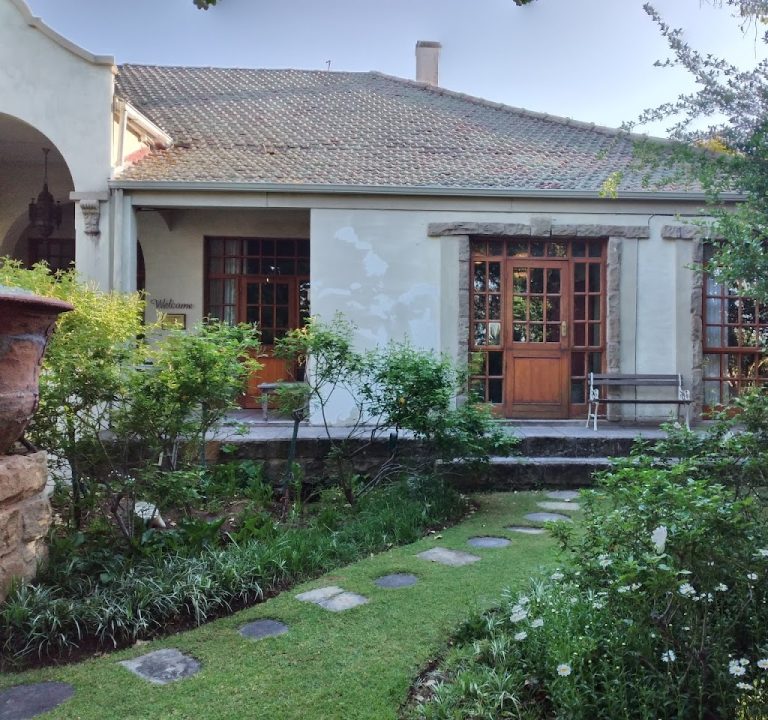
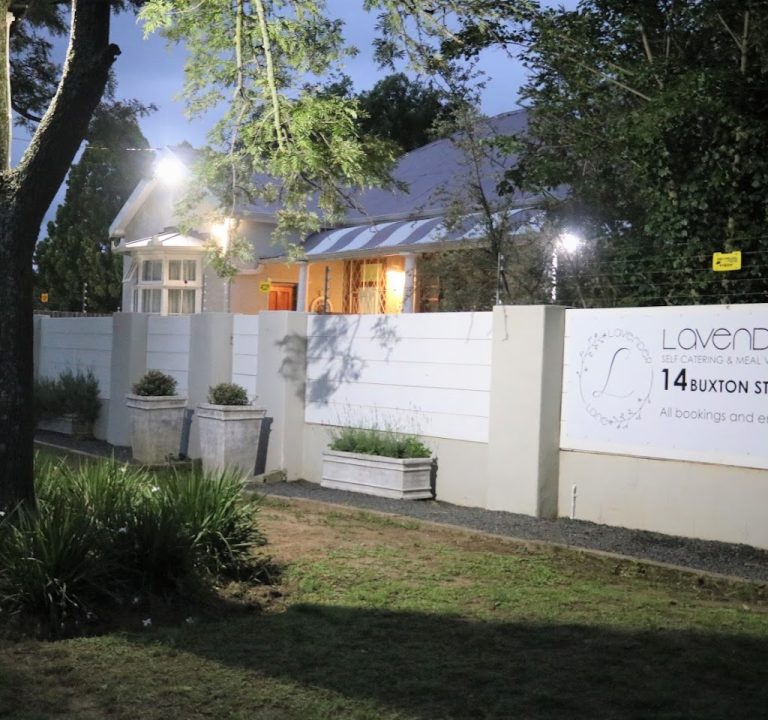
Accommodation ideas you might consider include a guest house with a cosy, home-from-home feel, where hosts can offer personalised tips on day trips and local dining. One example is a guest house operation such as Rose B&B Lodge, which provides a private, welcoming setting and basic facilities geared towards comfort and convenience for guests exploring the area. If you choose a property with on-site dining or a nearby restaurant cluster, you’ll find it easier to plan evenings without long travel. For additional inspiration and practical planning resources, official tourism websites and local visitor centres can be valuable companions to your itinerary.
Useful links for planning include regional tourism pages and the local council’s visitor information, which often provide maps, current advisories and seasonal recommendations. Booking platforms typically offer filter options for price, distance from town, and amenities, allowing you to tailor your stay to fit your travel pace. Remember to verify cancellation policies and any seasonal variations in service when you book. With thoughtful planning and a comfortable base, Queenstown can be both restorative and conveniently connected to the broader Eastern Cape region.
- Central town options for easy access to services and dining
- Outskirts or countryside stays for tranquil scenery
- Guest houses and B&Bs with warmth and personalised tips
Website resources: for general trip planning and official guidance, you can visit South Africa's official tourism pages for the Eastern Cape and Queenstown, which offer practical information, suggested itineraries and points of interest.