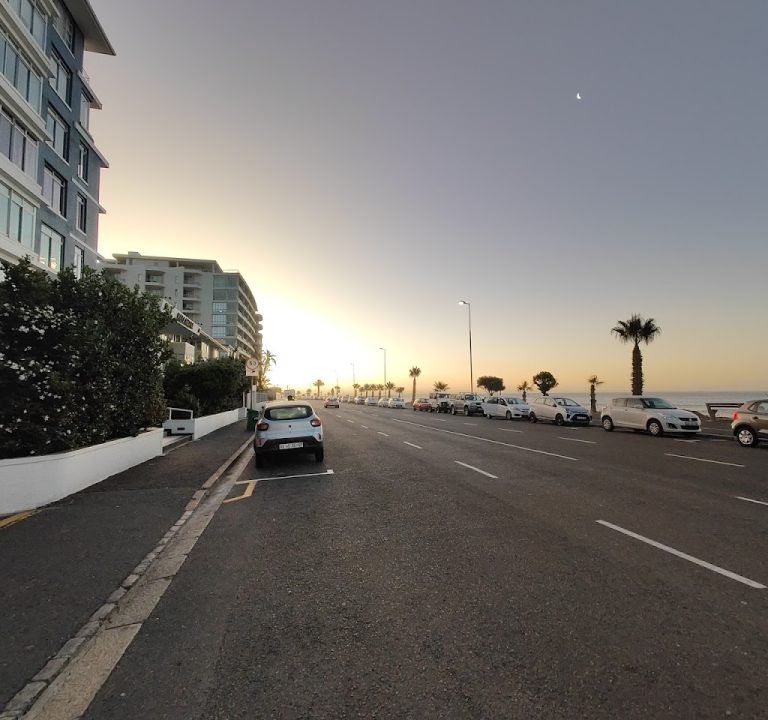
The Granger is a Guest house establishment in Cape Town, Western Cape, South Africa
Cape Town
Western Cape
8005
South Africa

Accommodating Your Cape Town Stay: Where to stay, what to book, and what to enjoy
Cape Town remains a magnet for travellers seeking scenery, culture and a sense of adventure. When planning a stay in this dynamic city, start with the neighbourhoods. The Granger, a welcoming guest house, is one example of the kinds of stays that blend comfort with easy access to the sights. Depending on your priorities—beaches, mountains, history, dining or vibrant street life—you can tailor your choice of area to maximise your time and minimise travel hassles.
The Atlantic Seaboard offers bright, stylish stays with proximity to beaches and upmarket dining, yet can be busier in peak season. The City Bowl neighbourhoods provide a central base close to museums, markets, historic streets and viewpoints, with easy access to hop-on transport and guided tours. For a quieter, more residential feel, the southern suburbs and Constantia offer leafy streets, wine estates and family-friendly options. When selecting accommodation, consider soundproofing, parking arrangements, and whether the guest house or hotel offers a flexible cancellation policy, especially if you are planning to base several day trips from a single hub.
Typical amenities to expect include en-suite bathrooms, reliable Wi-Fi, daily housekeeping, secure parking, and well-equipped kitchens or self-catering facilities in larger guest houses. Many properties also provide breakfast buffers, access to outdoor spaces, and helpful local recommendations. If you are travelling with a group or family, look for family rooms, interconnecting suites or apartment-style units with kitchenettes. For longer stays, a property with laundry facilities and a dedicated staff member who can assist with itineraries can make a big difference to your comfort and schedule.
Transport in Cape Town is achievable with a mix of self-drive, ridesharing, and public options. If you are staying near the city centre or the Atlantic Seaboard, you will likely walk or use rideshare for evenings out, while day trips to the Cape Peninsula or winelands are easier with a car or a guided tour. Some guest houses offer shuttle services or partnerships with reliable local operators, which can take the stress out of visiting popular viewpoints or outdoor trails. When planning your days, consider start times that avoid peak traffic on the M3 and N2 routes and allow for return journeys before dusk, especially during shorter winter days.
The best time to visit Cape Town depends on what you want from the trip. Spring (September to November) brings blooming flora and pleasant temperatures, ideal for coastal walks and urban exploration. Autumn (March to May) offers a similar climate with fewer crowds. Summer (December to February) is lively and great for beaches, but can be busy; book early for accommodation and restaurants. Winter (June to August) is cooler and mistier, yet still workable for city sightseeing, museum visits and riverfront dining. Pack layers, a comfortable pair of walking shoes, a rain jacket, and a light scarf for sea breeze days, as conditions can change quickly along the coast and in the surrounding mountains.
When evaluating where to stay, ask about practical details that influence comfort and convenience. Check for air conditioning or heating depending on the season, reliable hot water, and the availability of espresso machines or quality teas for a relaxed morning. Consider access to local markets, cafes, and reliable supermarkets, as these can greatly affect whether you prefer self-catering or dining out. If you are mindful of security, look for properties with well-lit entrances, secure key procedures, and clear guidance on safe neighbourhood routes. A guest house often helps with personalised tips on hidden viewpoints, lesser-known eateries, and day trips that avoid the usual tourist crowds.
To help you plan, here is a concise checklist of elements to consider before booking:
- Neighbourhood priorities: views, proximity to the city centre, or easy access to the M3 and major roads for day trips.
- Apartment type vs. boutique guest house: self-catering facilities, breakfast options, and the size of the unit.
- Transport arrangements: parking, shuttle services, or access to reliable ridesharing.
- Cancellation policy and flexibility in dates, especially around peak seasons.
- Amenities that matter most: ensuite bathrooms, laundry facilities, Wi‑Fi reliability, and quiet rooms for rest after long days of sightseeing.
Around Cape Town, there are abundant attractions that suit a wide range of interests. Scenic viewpoints along the city’s famous ridges offer dramatic panoramas over the harbour and Table Mountain. The city also provides cultural experiences in museums, galleries and markets, where craft and design rooms, coffee stalls and snack vendors create a friendly, relaxed ambience. For a break from city life, consider a day trip to the coast or a scenic drive to the Winelands, where estates often offer tastings and generous gardens. Dining in Cape Town spans casual eateries to refined restaurants that highlight regional ingredients, from ocean-caught seafood to farm-to-table produce from nearby valleys. In general terms, you will find places to suit various budgets and tastes, with menus that celebrate South African flavours and international influences.
Practical tips to help you enjoy your stay include booking in advance for popular dates, especially if you want a specific room type or a particular guest house such as The Granger. Within the city, plan a balanced itinerary that combines morning outdoor activity with later afternoon museum visits or markets, allowing you to enjoy cooler temperatures and lighter crowds. If you are visiting during peak season, reserve restaurants and tours ahead of time to avoid disappointment, while still leaving room for spontaneous exploration on quieter days. Always have a small amount of local currency for markets and transit, even if most places accept cards, and keep a digital map handy to navigate steep streets and temporary roadworks that can alter access routes.
Ultimately, a well-chosen Cape Town base enhances every aspect of your trip—from easy morning routines and restful nights to seamless access to the city’s best viewpoints, food experiences and day trips. Whether you opt for a coastal guest house near the sea, a central apartment with swift access to urban highlights, or a serene estate on the hills, your stay in Cape Town can be an enriching blend of comfort, culture and exploration. For inspiration and practical planning, you can explore official tourism resources and trusted travel guides that offer current information on routes, attractions, and seasonal conditions.
Sorry, no records were found. Please adjust your search criteria and try again.
Sorry, unable to load the Maps API.
Why Claim Your Listing?
Claiming your listing on the B&B Finder directory website is a valuable opportunity for business owners. Here are five reasons why you should consider claiming your listings:
Control Over Business Information: By claiming their listing, business owners can ensure that all the information presented is accurate and up-to-date. This includes details such as contact information, address, pricing, and available services or amenities. Accurate information helps prevent customer confusion and improves overall satisfaction.
Enhance the Listing: Once a listing is claimed, owners can enhance it by adding more comprehensive information and rich media, like high-quality photos and videos. These additions can make the listing more attractive and engaging to potential customers, thereby increasing the likelihood of bookings.
Marketing Opportunities: Claiming a listing can also open up additional marketing opportunities. Owners may be able to participate in promotional campaigns, special offers, and other marketing activities organized by the directory. This can increase visibility and attract more customers to the business.