Cape Town: Where to Stay and How to Plan Your Visit
Cape Town, perched beside the Atlantic and dominated by the iconic Table Mountain, offers a wide range of accommodating options for every kind of traveller. Whether you favour stylish boutique stays, family‑friendly guesthouses, or modern hotels with sweeping harbour views, the city’s neighbourhoods each have their own character and advantages. Planning ahead helps you maximise your time, balance comfort with convenience, and tailor your stay to the season and your interests.
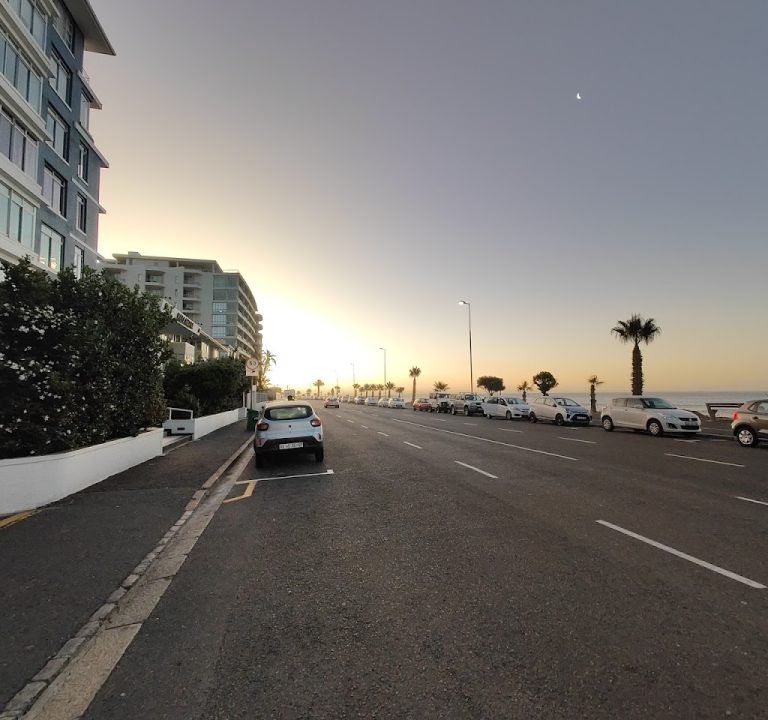
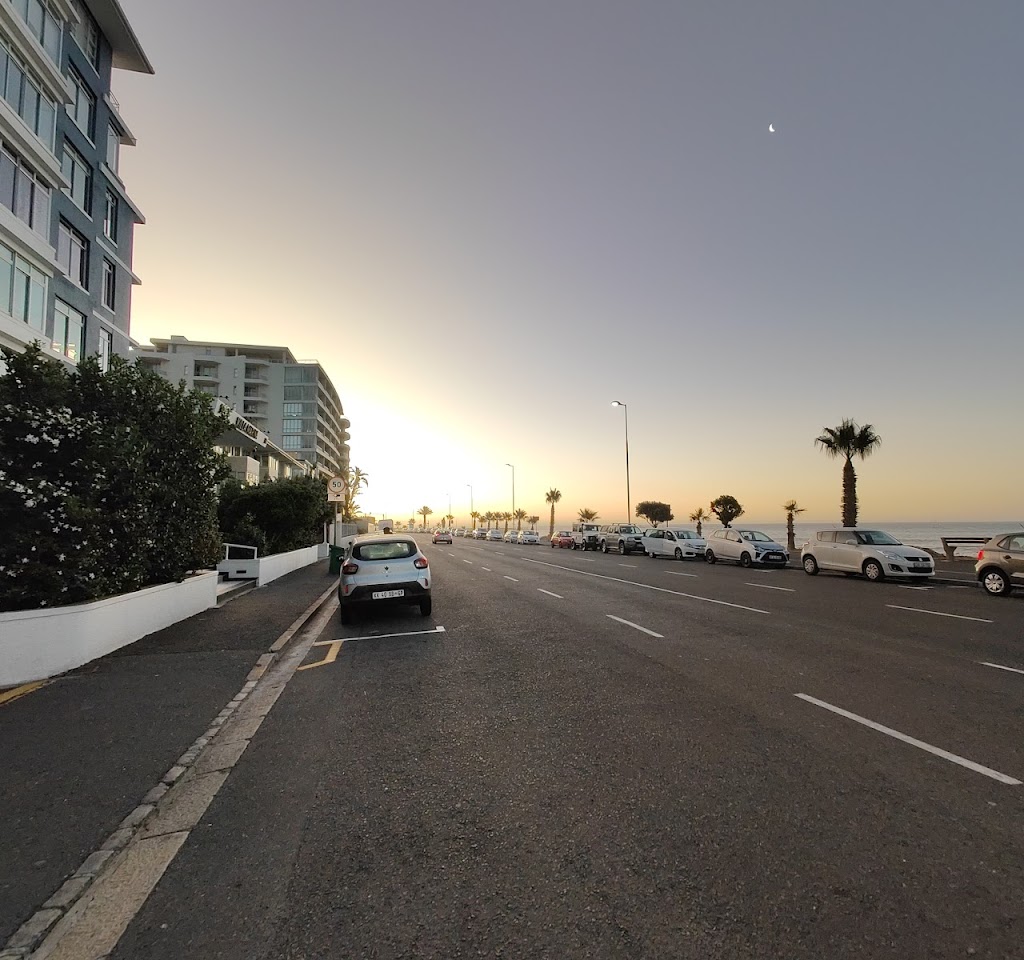
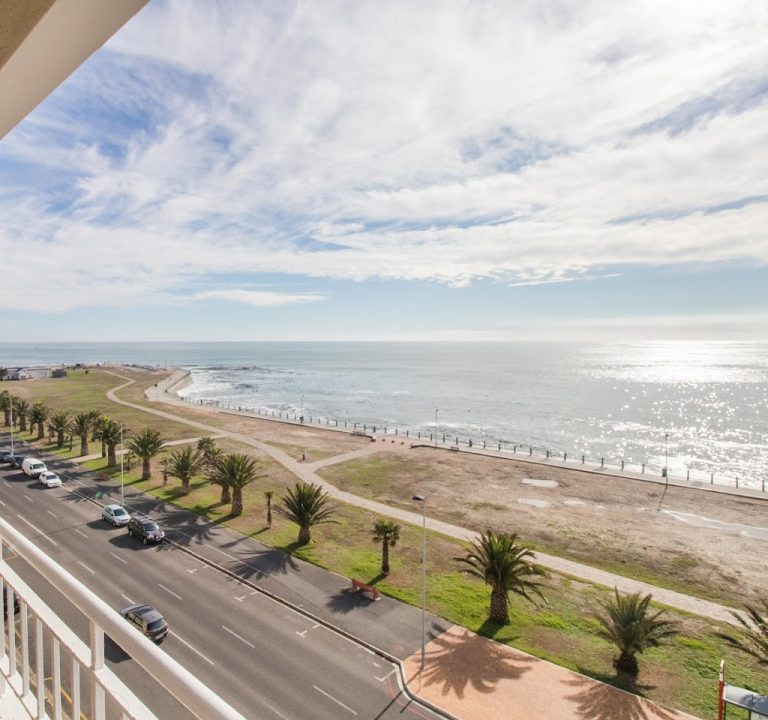
When choosing where to stay, think about how you will spend your days. If you want easy access to the city’s vibrant waterfront, museums and historic sites, a hotel or guesthouse near the V&A Waterfront or the Central Business District can be convenient. For scenery, beaches, and outdoor activities, a stay near Camps Bay, Clifton, or Sea Point offers easy access to the coast. For wine enthusiasts and a quieter pace, Constantia or the Southern Suburbs provide green cover and easy trips to neighbouring Constantia Valley’s wineries. If you need more budget‑friendly options or a homey feel, areas such as Gardens, Tamboerskloof, or Observatory offer good transport links and a lively local scene. In the Cape Town region, you may also encounter properties in Sandringham III and surrounding districts, which can offer different rhythms from the city centre.
Typical amenities you can expect in well‑appointed Cape Town properties include free Wi‑Fi, private or en‑suite bathrooms, air conditioning or efficient ventilation, and 24‑hour reception or on‑site staff. Many accommodation providers include breakfast, and some offer dinner or light meals, which can be very convenient after full days of sightseeing. Look for security features in urban areas, such as well‑lit entrances and controlled access, especially if you plan to return late. If you are travelling with family or a group, seek out larger rooms, kitchen facilities, or self‑catering options, and check whether the property is near family‑friendly beaches or parks.
Transport is a key consideration. Cape Town’s MyCiTi bus network covers many routes and can be a cost‑effective way to reach central sights, while taxi and rideshare services are widely available. If you intend to explore outside the city, consider staying near transport hubs or booking guided day trips that include transportation. Some guests prefer hotels or guesthouses with parking, which can simplify weekend excursions along the Atlantic Seaboard or to the Cape Peninsula route towards Chapman’s Peak and Cape Point. For mealtimes and evenings, proximity to reputable restaurants and markets adds significant value to a stay.
Best time to visit Cape Town depends on what you want to do. The summer months (December to February) bring longer days, warm seas, and beach activities, but can be busy and pricier. Autumn (March to May) offers pleasant weather and fewer crowds, while spring (September to November) brings wildflowers on the mountains and a lively culinary scene. Winter (June to August) is cooler and wetter but can still be rewarding, especially if you want to enjoy museums, galleries, and indoor experiences. No matter the season, plan for coastal winds and occasional microclimates that may change quickly as you travel between the city bowl, the coast, and the Peninsula.
Practical planning tips to help you get the most from your stay:
- Check access to popular sights: Table Mountain, the colourful Bo-Kaap neighbourhood, the V&A Waterfront, and the Kirstenbosch National Botanical Garden are easy to reach from many central stays, but some viewpoints or hiking routes may require a short drive or ride.
- Prioritise safety and comfort: choose properties with good lighting, solid access control, and clear information about local areas and transport options.
- Pack thoughtfully for coastal winds: even on warm days, Cape Town can feel breezy near the sea; bring a light layer and sun protection.
- Respect local guidelines and seasonal advisories, such as park hours, wildlife considerations, and water‑use notices in drought periods.
- Plan restaurant experiences with flexibility: Cape Town’s dining scene ranges from casual eateries to fine‑ dining institutions; booking ahead for popular venues is wise, especially in peak season.
When it comes to attractions and experiences, you’ll find a breadth of options that suit most tastes. You can explore natural landmarks such as the mountain’s cable car views, the coastal reserves, and the dramatic Cape Peninsula drives. Urban‑centre experiences include markets, galleries, and coffee shops that showcase South Africa’s contemporary culture. For a broader sense of the region’s history and daily life, guided tours that cover Robben Island, historic districts, and harbour activities offer context and a closer look at the surroundings without being overly prescriptive. Dining ranges from elegant tasting menus to casual seaside meals, with many places emphasising fresh seafood and locally sourced ingredients. For visitors who enjoy outdoor activities, the area provides hiking, coastal walks, and scenic drives that are accessible for different fitness levels and interests.
To plan efficiently, consult official tourism resources and hotel or guesthouse websites for current recommendations, seasonal events, and practical information about access and transportation. Cape Town is a city of contrasts and complements, where a well‑chosen base can unlock both urban convenience and spectacular natural beauty. With thoughtful planning, your stay can weave together comfortable accommodation, memorable meals, and a diverse array of experiences across this remarkable part of the Western Cape.