Cape Town: Accommodation, Attractions and Practical Tips for Visitors
Cape Town is a city of striking contrasts, where mountain scenery meets ocean vistas and a vibrant culinary scene thrives alongside world‑class attractions. When planning a stay, choosing the right neighbourhood can shape your experience as much as selecting a comfortable place to sleep. The city offers a range of guest houses, boutique hotels and self‑catering options, many within easy reach of beaches, historic sites and award‑winning restaurants. A well‑chosen base can help you maximise time, minimise travel, and enjoy the best that the Western Cape has to offer.
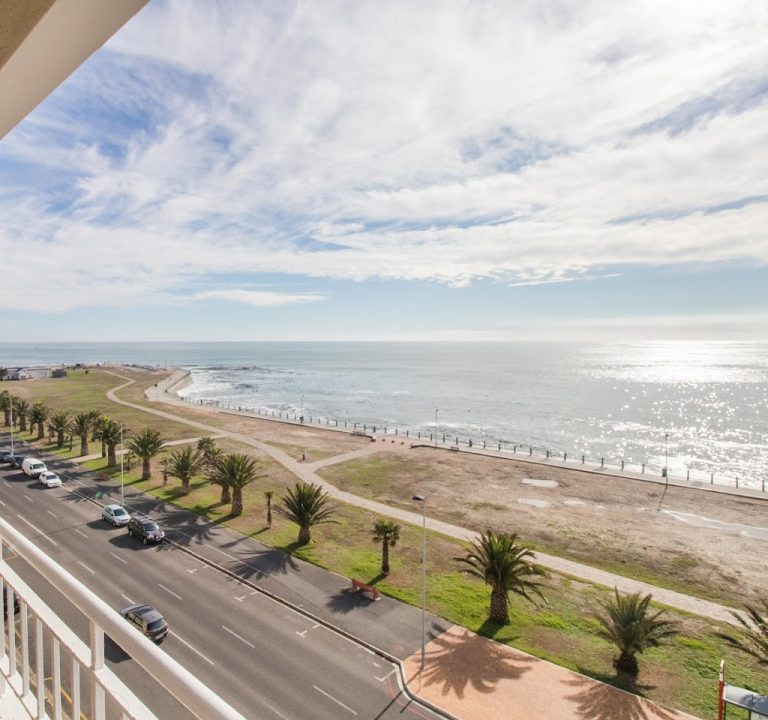
One reliable option for a comfortable stay is a guest house experience, which often includes personalised service, home‑cooked breakfasts and a more intimate atmosphere than larger hotels. In Cape Town, guest houses can be found across several popular areas, each with its own character. For example, central districts provide proximity to the Waterfront, museums and central business areas, while coastal neighbourhoods offer sea breezes, easy beach access and a relaxed pace. A well‑located guest house can also act as a convenient hub for day trips to the Cape Peninsula or the winelands.
When selecting an accommodation, consider the following practical aspects to ensure a smooth stay. Look for a host or property that provides clear directions on how to reach the premises, flexible check‑in arrangements, and a friendly welcome that sets the tone for your visit. Confirm what is included in the rate—breakfast options, housekeeping frequency, and any at‑home facilities such as Wi‑Fi, guest lounges or outdoor spaces. If you plan to drive, check on‑site parking or nearby secure options. For those using public transport, consider locations with easy access to MyCiTi bus stops, railway stations or hop‑on hop‑off services near the V&A Waterfront and the City Centre.
Typical amenities to look for include a private en‑suite bathroom, predictable housekeeping schedules, and thoughtful extras such as secure parking, air conditioning or ceiling fans for warmer days, and a hospitality tray with tea and coffee provisions. Some guest houses offer outdoor decks, plunge pools or garden spaces—ideal for relaxing after a day of sightseeing. Whether you choose a cosy boutique guest house or a modern city hotel, clear information about accessibility, towels, and spare bedding can save time and prevent disappointment.
Transport in Cape Town is diverse. The MyCiTi bus network is extensive and user‑friendly, though some routes may be more convenient for certain areas than others. Rail connections from central hubs offer scenic journeys along the Atlantic Seaboard but may be less practical for those staying in the southern suburbs at peak times. Car hire provides maximum flexibility for exploring the Winelands, Cape Point, and coastal viewpoints, but driving in peak season requires patience and careful planning around parking. If you prefer a more relaxed approach, many accommodation options offer guided tours or can arrange reputable local day trips, which can be a sensible way to squeeze in highlights without the logistical headaches.
The best time to visit Cape Town depends on what you want from the experience. The summer months (roughly November to February) bring long days, sea breezes and ideal beach weather, with peak sunshine and a lively outdoor scene. Spring (September to November) and autumn (March to May) offer milder temperatures, fewer crowds and excellent conditions for outdoor activities such as coastal hikes or vineyard visits. Winter (June to August) is cooler and wetter, but the city still has plenty to offer, including indoor attractions, tamer crowds and the opportunity to sample hearty cuisine and robust wine pairings. Pack layers to adapt to changing conditions, especially if you plan to explore the Cape Peninsula or Table Mountain in all weathers.
Practical tips to reduce stress during a Cape Town stay include booking accommodation in advance for peak seasons, confirming access arrangements for after‑hours arrivals, and maintaining awareness of personal belongings in busy tourist areas. A sensible plan is to map out a few anchor activities near your base each day—such as a sunrise walk up to a viewpoint, a visit to a museum or gallery, and an afternoon of coastal strolling—so you can enjoy a relaxed pace without long and repetitive travel times.
For accommodation with a home‑from‑home feel, consider options such as Dolphin Inn Guest House, a guest house that aims to provide a friendly, inclusive atmosphere close to central sights. Details and availability can be found at the property’s website: Dolphin Inn Guest House. Choosing a place that emphasises personal service and neighbourhood atmosphere can be especially rewarding for travellers who value local insight and a comfortable base from which to explore the city.
Cape Town’s attractions span natural beauty, cultural heritage and vibrant urban life. Picture‑perfect beaches, rugged coastlines, the iconic Table Mountain, and the scenic Cape Peninsula—all within reachable distance from well‑located stays. In addition to natural scenery, the city offers diverse dining experiences, from casual coastal cafés to modern bistros and seafood houses that showcase local produce. Visitors should approach dining with flexibility—allowing for seasonal ingredients, mid‑week specials, and the chance to explore various neighbourhoods, from the historic Bo‑Kaap to the modern V&A precinct.
In planning activities, consider a mix of outdoor adventures, cultural experiences and leisurely meals. A balanced itinerary might include a morning hike or cable‑car visit to a landmark summit, a visit to a museum or historic site, a coastal drive or short boat cruise, and a relaxed evening sampling contemporary South African cuisine at a well‑regarded restaurant. By pairing a carefully chosen accommodation with a thoughtful plan of sights and meals, visitors can enjoy Cape Town’s many treasures while minimising transit time and logistical stress.