Accommodation and Experiences in Cape Town: Planning a Memorable Stay
Cape Town, in the Western Cape of South Africa, offers a diverse tapestry of places to stay and things to do, from intimate guest houses to modern city hotels and stylish lodges perched near the sea or atop scenic hills. When planning a visit, think about the area that best fits your pace, whether it’s easy access to the waterfront and museums, a quiet residential neighbourhood with boutique charm, or a hillside setting with panoramic views. The city’s neighbourhoods each have their own character, so choosing wisely can unlock a far more enjoyable stay.
Guest houses and boutique hotels are a hallmark of Cape Town’s hospitality scene. Many options blend comfortable rooms with personalised service and a home-from-home feel. In addition to the more formal hotel experience, guest houses tend to offer a friendly atmosphere, often including breakfast and thoughtful touches that reflect Cape Town’s warmth. In popular suburbs such as Green Point, Gardens, and the Atlantic Seaboard, you’ll find facilities that combine modern amenities with easy access to the city’s highlights. For a country-feel within reach of the city, consider the wine regions beyond the Constantia and Stellenbosch corridors, where guest houses and lodges provide tranquil settings and generous hospitality.
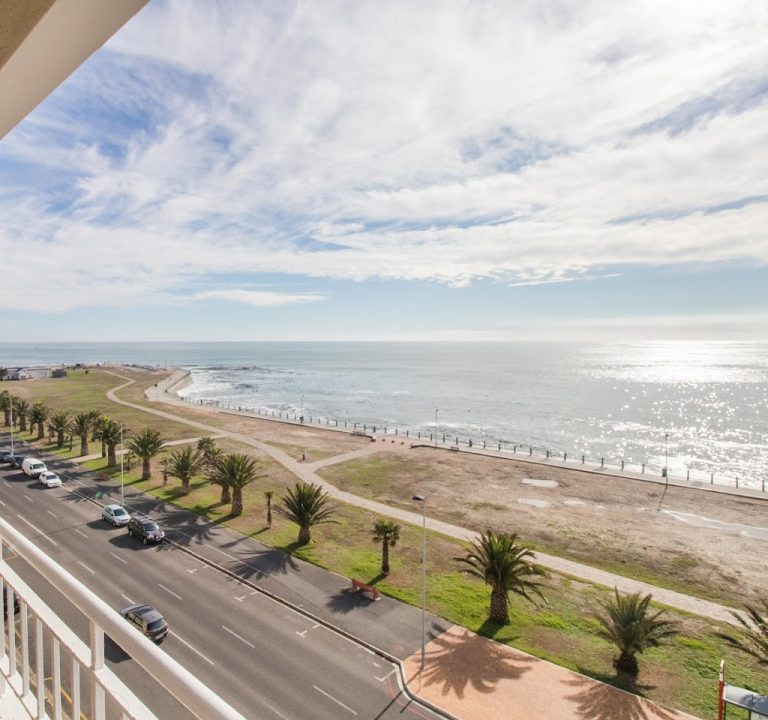
When planning where to stay, think about accessibility to the places you want to visit. The city centre offers proximity to museums, the historic bo-kaap, the Parliament precinct, and a vibrant dining scene. The V&A Waterfront is a hub of activity with shopping, waterfront walks, and harbour views. If beach days are a priority, areas along the Atlantic Seaboard and Camps Bay provide easy access to long sandy shores. For nature lovers, the foothills of Table Mountain and the Constantia valley are within easy reach of several guest houses and boutique inns, offering a refined blend of outdoor beauty and comfortable accommodation.
Typical amenities you may encounter include free Wi‑Fi, breakfast options, private or en suite bathrooms, and cosy shared spaces. Some properties offer secure parking, 24-hour reception, or shuttle services to nearby transit hubs or attractions. It’s common for guest houses to provide locally sourced breakfasts with fresh coffee, fruit, and pastries, which can be a great way to start a day of exploring. If you require facilities for business or longer stays, check for workspaces, reliable Wi‑Fi, and flexible cancellation policies, particularly if your plans are subject to change.
Transport in Cape Town is varied and can influence where you stay. The MyCiTi bus network and rail links provide affordable mobility but may require planning around routes and schedules. A car offers maximum flexibility to explore the city’s surrounds, including the Cape Peninsula and the winelands, but some urban streets can be busy and parking limited in peak periods. If you don’t plan to drive, look for properties near major bus routes or within walkable distance of restaurants, markets, and entertainment hubs. Some guests enjoy staying close to the V&A Waterfront for evening strolls and easy access to ferries and tours, while others prefer a quiet street in a leafy part of Constantia or Oranjezicht for a restful night and a short drive to the city’s sights.
The best time to visit Cape Town depends on what you want from your trip. Spring (September to November) and autumn (March to May) are often praised for mild weather and fewer crowds, making them ideal for outdoor activities and wine-tasting trips. Summer (December to February) brings longer days, beach life, and lively events, but can be busier and more expensive. Winter (June to August) tends to be cooler and wetter, yet offers fewer crowds and opportunities to enjoy cosy guest houses with fireplaces or warm hospitality indoors. Plan around the seasonal conditions for outdoor activities such as hiking Table Mountain routes, coastal walks, and wine tours, and be prepared for quick changes in weather when exploring coastal and mountainous areas.
To plan a well-rounded itinerary, consider balancing iconic sights with lighter days centred on gastronomy, markets, and cultural experiences. Cape Town’s dining scene ranges from casual eateries to fine dining, with a focus on fresh seafood, seasonal produce, and modern interpretations of South African flavours. In addition to eateries, look for local markets offering artisan crafts, fresh produce, and street food, which are excellent for a relaxed morning or afternoon stroll. Museums and galleries provide insight into the city’s history, art, and design, while scenic viewpoints and nature reserves offer photo-worthy moments at any time of day.
Practical tips to help you book with confidence:
- Choose accommodation in a location that aligns with your planned activities and pacing of days.
- Read recent guest reviews to gauge consistency in cleanliness, service, and soundproofing.
- Check transportation options from the property to major sights and airports, including parking availability if you plan to hire a car.
- Confirm included amenities such as breakfast, Wi‑Fi reliability, and any on-site facilities you value.
- Be aware of seasonal price fluctuations and consider mid-week stays for better value.
For ideas on what to see and do, reputable tourism resources and official visitor sites offer practical itineraries, maps, and tips. When you’re ready to plan, you can explore general Cape Town information at dedicated tourism portals or browse individual guest houses and boutique hotels to compare room types, styles, and rates. A well-chosen base in Cape Town can enhance every aspect of your visit, from the first sunrise over the Atlantic to sunset strolls along scenic coastal paths. For more inspiration and practical planning resources, visit the official tourism pages online.