no-image
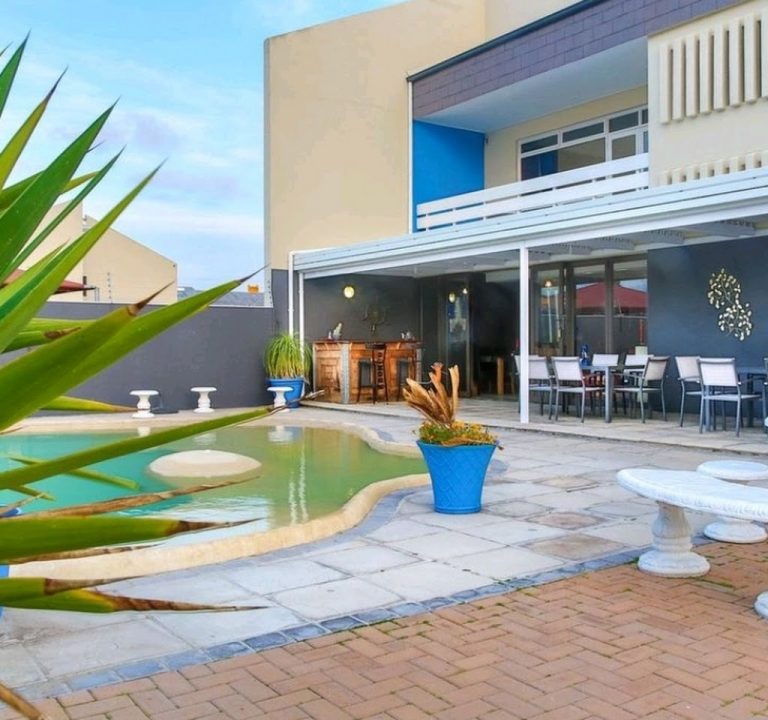
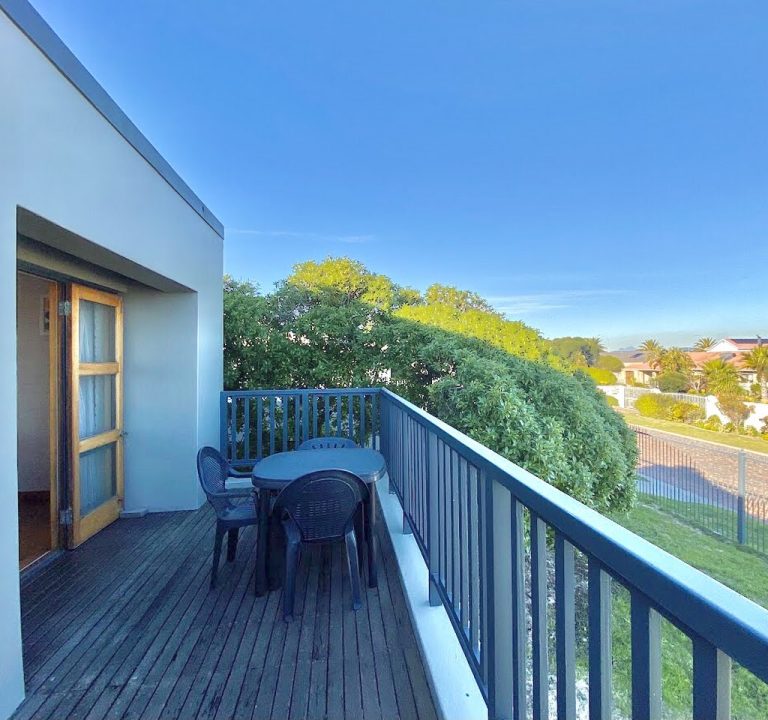
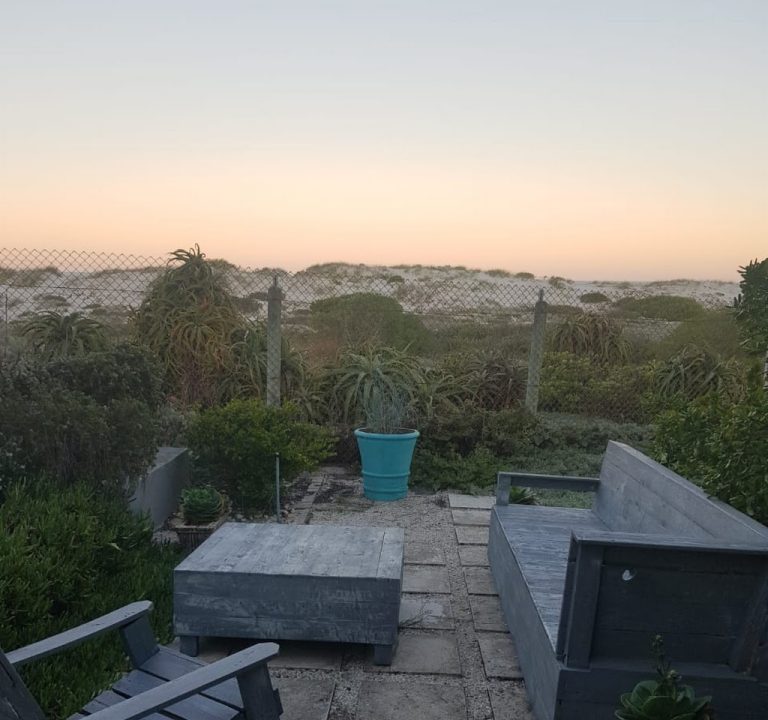
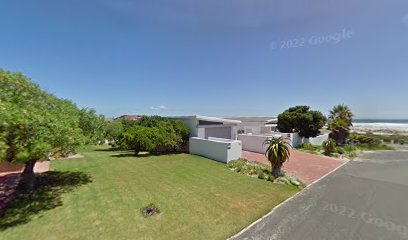
The Bunk House is a Self-catering accommodation establishment in Cape Town, Western Cape, South Africa
About The Bunk House, Cape Town
The Bunk House in Cape Town, Western Cape, appears to be a traveller-focused option within the vibrant South African cityscape. At present, the publicly published content on the site does not disclose explicit details about accommodation style, room categories, on-site facilities, or guest policies. This means prospective guests may need to check the official website directly for the most up-to-date information before planning a stay.
Given the lack of visible specifics on the site, readers are advised to treat The Bunk House as a potential base from which to unitise a Cape Town visit, while recognising that concrete details about what is offered—such as bed configurations, common areas, or included amenities—are not readily available through the published pages. For those seeking certainty, monitoring the site for future updates or contacting the property through official channels (where available) is recommended.
In the broader sense, Cape Town is known for its dynamic neighbourhoods, outdoors-focused activities, and culinary scene. A stay in the city typically offers convenient access to a range of experiences—from scenic viewpoints and markets to coastal walks and cultural hotspots. While the specific position of The Bunk House within the city isn’t stated here, travellers often favour locations that provide easy access to notable attractions, local transport, and a comfortable environment to unwind after days of exploration.
The Bunk House’s online presence provides a direct link to its official website, which serves as the primary portal for reservations and detailed information. Visitors are encouraged to use that link to verify room types, prices, check-in and check-out policies, and any available on-site facilities or services. If the site currently hosts limited information, alternative trusted booking platforms or the property’s support resources may also offer additional clarity.
For those planning a stay in Cape Town, practical travel considerations can help maximise comfort and convenience. Consider proximity to public transport, safety in neighbourhoods, and access to dining options and supermarkets. It is also wise to review cancellation policies and to compare options across multiple accommodation types to find a balance between value and location. When information is sparse on a single page, cross-checking with reputable travel guides or tourism sites can provide broader context about the area and typical offerings in similar properties.
Booking and travel tips at a glance:
- Check the official site for the most current availability, room details, and policies before booking.
- Use reputable booking platforms as a supplementary source of information if available.
- Assess the neighbourhood for access to transport links, safety, and nearby amenities.
- Read recent guest reviews (on trusted platforms, if accessible) to gauge experience factors not listed on the site.
- Prepare for Cape Town’s climate by reviewing seasonal weather patterns and packing accordingly.
For visitors seeking more information or updates, the official website remains the best starting point. The site can be reached via the provided domain link, which may offer current availability, booking options, and any forthcoming content related to The Bunk House’s accommodation style and guest offerings. Visiting the site ensures the most accurate reflection of what the property can provide during a stay in Cape Town.
Cape Town
Western Cape
7441
South Africa

no-image
Exploring Cape Town: Where to stay, what to do, and how to plan
Cape Town offers a dynamic mix of beaches, iconic scenery, and vibrant neighbourhoods, making it one of the most rewarding destinations in the Western Cape. Whether you prefer a cosy self-catering stay, a boutique guesthouse, or a modern hotel with sweeping views, planning your accommodation around ease of access to the city’s highlights can dramatically enhance your visit. Consider both your daily rhythm and your dream experiences when choosing where to base yourself.
Key areas to consider include the Atlantic Seaboard, the City Bowl, and neighbourhoods near the Southern Suburbs. The Atlantic Seaboard, from Sea Point to Camps Bay, is ideal for sunset walks along the coast, easy access to beaches, and a cosmopolitan dining scene. The City Bowl centralises within reach of the V&A Waterfront, Table Mountain cableway, and an array of galleries and markets, making it a lively hub for walkers and explorers. The Southern Suburbs offer a more relaxed pace, with scenic drives to Kirstenbosch, Constantia wine routes, and tranquil residential streets that can be perfect for families or longer stays. When planning, think about how you’ll move between these areas and what daily travel time you’re comfortable with.
Booking considerations will help you get the most value and comfort. Look for self-catering options with well-equipped kitchens if you prefer the flexibility of home‑from‑home dining, or opt for a guesthouse with breakfast if you’d rather start the day with a ready-made bite and local tips from hosts. For longer stays, properties with laundry facilities, comfortable seating, a reliable Wi‑Fi connection, and clear access to public transport or parking are especially practical. If you’re chasing sunrise or sunset photography, a room with good natural light and a balcony can be a big plus. Always check cancellation policies and house rules in advance, particularly for peak travel periods.
Typical amenities you may encounter include secure parking, on-site or in-building access to the property, and responsive hosts or managers who can point you to the best local eateries, markets, and viewpoints. Self-catering lodgings may provide stocked pantries and basic household essentials, while guesthouses often include daily housekeeping, a communal lounge, and convenient information on guided tours or day trips. When reviewing options, consider what you’ll realistically use during your stay and whether the layout suits your group size and mobility needs.
Transportation in Cape Town is generally straightforward, though planning ahead pays dividends. The MyCiTi bus system offers routes across parts of the city, and many accommodation clusters are within walking distance of tram, bus, or ride‑hailing services. If you intend to venture to the Cape Peninsula, hire a car or arrange guided tours, as some attractions lie outside the city core. For visitors staying near Table Mountain, a pre-booked ticket for the cableway (or a guided hike) can save time, particularly on busy days. Safe, well-lit streets are usually found in central and coastal neighbourhoods, but it’s wise to observe standard travel precautions, especially after dark in unfamiliar areas.
The best time to visit Cape Town balances climate, crowds, and price. Spring (September to November) and autumn (March to May) offer mild weather, blooming gardens, and shoulder-season calm, often with more favourable rates. Summer (December to February) brings lively beaches and long days, but can be busier and pricier. Winter (June to August) is cooler and windier, yet still a good time to explore museums, markets, and nearby wine regions with fewer crowds. If your plans include vineyard visits or outdoor excursions, packing layers is essential, as coastal winds can be brisk at any time of year.
When it comes to dining and experiences, Cape Town presents a diverse culinary scene without needing to travel far. You’ll find everything from fresh seafood shacks along the Atlantic coast to refined dining rooms and bustling markets offering local produce, baked goods, and artisanal treats. For a broad sense of the city’s food culture, start with neighbourhood eateries that champion seasonal ingredients, paired with excellent non-alcoholic and alcoholic options. Balanced itineraries often blend a morning city stroll, a scenic viewpoint stop, and an afternoon vineyard visit, followed by a relaxed dinner near your accommodation.
Practical tips to help you enjoy a smooth stay: book accommodation with flexibility where possible, especially if you’re planning to move between areas or adjust plans due to weather. Check what’s included in your stay—coffee, tea, toiletries, and kitchen basics can save time and money. Bring a compact map or offline navigation on your phone in case signal is patchy in some coastal or mountainous areas. Pack comfortable footwear for walking and a lightweight rain layer should you encounter Cape Town’s famous showers. Finally, keep a light, secure daypack for beach and market days, and have a rough plan for what you want to see in each neighbourhood to maximise your time.
- Self-catering options can provide the most flexibility for longer visits
- Look for areas with easy access to transport and safety considerations
- Pack sensible clothing for coastal winds and changing weather
- Balance outdoor activities with relaxed days in markets and museums
For accommodation examples within this vibrant city, consider The Bunk House, a self‑catering option that offers a practical base for groups or travellers who value independence and a central location. Learn more about this and other stays via their official website: http://www.thebunkhousewc.com/. Cape Town’s blend of natural beauty, culture, and cuisine ensures that a well-planned stay will be rich in memorable experiences long after you return home.
Sorry, no records were found. Please adjust your search criteria and try again.
Sorry, unable to load the Maps API.
Why Claim Your Listing?
Claiming your listing on the B&B Finder directory website is a valuable opportunity for business owners. Here are five reasons why you should consider claiming your listings:
Control Over Business Information: By claiming their listing, business owners can ensure that all the information presented is accurate and up-to-date. This includes details such as contact information, address, pricing, and available services or amenities. Accurate information helps prevent customer confusion and improves overall satisfaction.
Enhance the Listing: Once a listing is claimed, owners can enhance it by adding more comprehensive information and rich media, like high-quality photos and videos. These additions can make the listing more attractive and engaging to potential customers, thereby increasing the likelihood of bookings.
Marketing Opportunities: Claiming a listing can also open up additional marketing opportunities. Owners may be able to participate in promotional campaigns, special offers, and other marketing activities organized by the directory. This can increase visibility and attract more customers to the business.