Accommodating Cape Town: where to stay, what to expect, and how to plan your visit
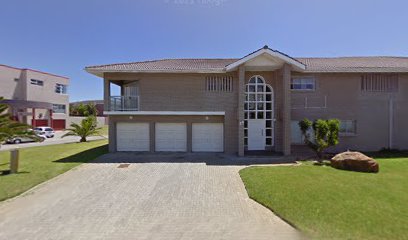
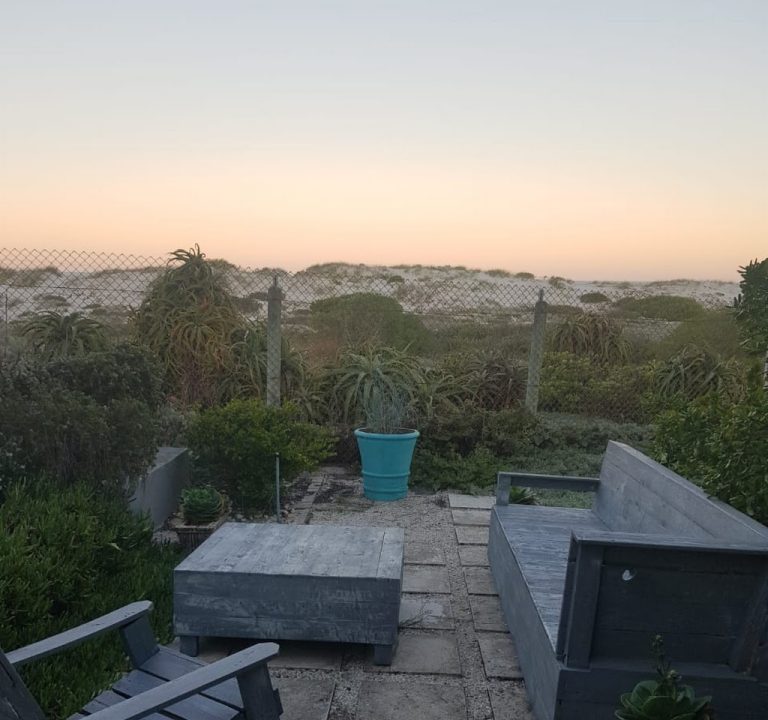
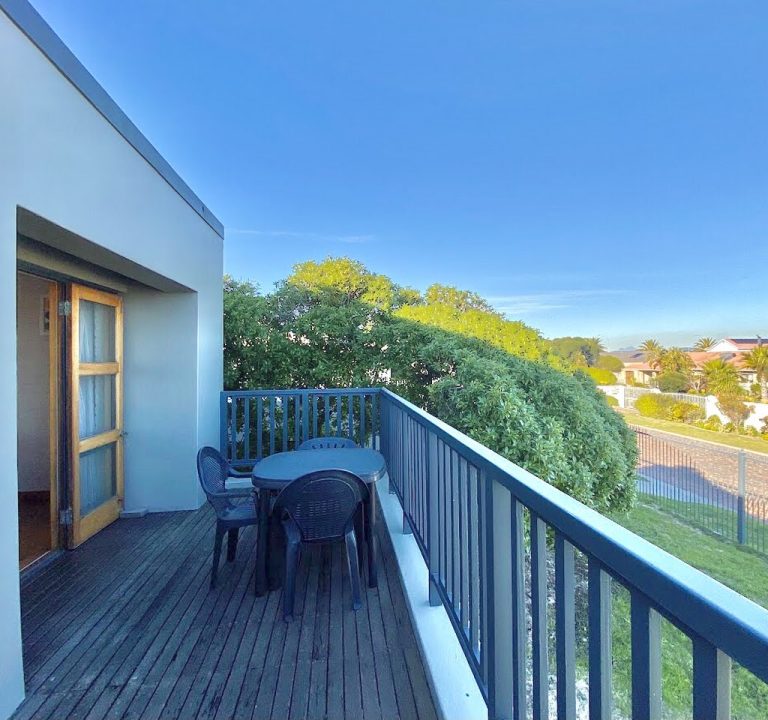
South Africa’s Mother City is renowned for its dramatic scenery, diverse neighbourhoods and a dining scene that spans casual beach booths to sophisticated fine dining. For travellers seeking a self-catering base, Cape Town offers a range of options from stylish apartments with sea views to family-friendly townhouses tucked away in leafy suburbs. Listen To The Waves is an example of a self-catering option in a coastal setting, illustrating how guests can enjoy a home-from-home stay while keeping flexible schedules for exploring the city and its surroundings.
Areas to consider when planning your stay
Central Cape Town and the V&A Waterfront provide a convenient hub for visitors who want to be within easy reach of both city sights and harbour experiences. The City Bowl around the central business district and surrounding hills offers compact apartment stays and townhouses that place you near museums, galleries and à la carte eateries. For beach lovers, Sea Point and Green Point are popular for coastal walks, promenade runs and sunset views, while Camps Bay provides a high-energy beach scene with a mix of chic apartments and private homes. For a more relaxed escape, Constantia Valley and Stellenbosch’s wine country (east of the city) offer peaceful surrounds with easy access to wine estates, nature trails and rural dining. Noordhoek and Kalk Bay present slower-paced coastal living with access to rugged scenery and seaside charm.
What to look for when booking self-catering accommodation
Key factors to prioritise include the following occasions and comforts:
- Proximity to focal sights or transport links, such as the station, MyCiTi bus routes or major roads, to minimise time spent commuting.
- Private or dedicated parking, a secure building entry, and reliable security measures for peace of mind.
- Well-equipped kitchens with essential cookware, utensils, a fridge, oven or microwave, and a reliable Wi‑Fi connection for work or entertainment.
- Clear house rules, flexible cancellation policies where possible, and transparent check-in procedures to suit early or late arrival times.
- Comfort features such as good heating or cooling, quality bedding, and dedicated workspace if you plan to combine work and travel.
Typical amenities you can expect in self-catering stays include the following: a fully equipped kitchen or kitchenette, enough seating and dining space for your group, in-room or shared laundry facilities, and easy access to outdoor areas or balconies with views. Laundry services may be available on-site or nearby, and some properties provide extra touches such as beach equipment, snacks, or welcome notes that help you settle in quickly.
Transport and getting around
Cape Town’s geography means some areas are best reached by car, while others are well served by public transport and ride-hailing services. If you plan to explore beyond the immediate neighbourhood, a rental car can be convenient, particularly for trips to the Winelands, beaches, and nature reserves. In the city centre and coastal clusters, Uber and other ride-hailing apps are widely used, and the MyCiTi bus network connects major routes at reasonable prices. If you are staying near the V&A Waterfront or the central city, you may find walking routes and short taxi rides are practical for daily excursions.
Best time to visit and practical considerations
Cape Town experiences a Mediterranean climate with dry summers and wet winters. The most reliable sunshine tends to be in spring and autumn (September to November and February to April), when the weather is mild and crowds are manageable. Winter (June to August) is cooler and windier, but it brings dramatic skies and cheaper rates in some districts. Summer holidays bring a lively atmosphere, longer daylight hours, and a bustling restaurant and market scene. Plan ahead for peak periods, particularly if you want specific accommodation types or sea views.
Practical tips for planning your stay
- Check the distance to your planned activities. For a balanced itinerary, mix city sights with coastal walks and nature explorations.
- Ask about electricity arrangements and water contingencies, as Cape Town has faced occasional supply challenges. Ensure your accommodation has backup power options or contingency plans where relevant.
- In popular seasons, book accommodation well in advance to secure preferred areas and preferred amenities.
- Look for flexible cancellation policies, especially if travel plans may shift or be affected by weather or other circumstances.
Activities and experiences to consider during your stay
Within Cape Town and its surroundings, you will find opportunities for scenic hikes up Table Mountain or nearby trails, visits to botanical gardens and nature reserves, and days exploring harbourfront precincts. Beyond the city, the Cape’s wine routes, coastal drives, and wildlife encounters offer additional days of discovery. When it comes to food, the city’s dining culture ranges from casual seafood shacks to contemporary eateries offering seasonal menus, often with views of the ocean or mountains.
For ideas on planning your itinerary, you can consult official tourism resources and reputable travel guides to tailor a mix of sights, dining, and relaxation that suits your group. More information can be found at official Cape Town tourism pages and related travel resources, which provide practical tips, area guides and suggested itineraries.
In summary, Cape Town rewards considered planning: choosing an area that matches your pace, prioritising comfortable self-catering amenities, and coordinating transport with your daily plans. With thoughtful selection, Listen To The Waves or similar stays can provide a flexible, welcoming base from which to discover the region’s natural beauty, vibrant city life, and diverse dining experiences. For further inspiration and practical guidance, visit the city’s official tourism site or trusted travel resources before you travel.