Cape Town: Accommodation and Experiences for a Memorable Western Cape Stay
Cape Town, with its iconic coastline, dramatic mountains and diverse neighbourhoods, is a destination that rewards careful planning. Whether you favour a boutique lodge near the Atlantic seaboard, a hearty guesthouse in the city centre, or a cosy bed and breakfast in leafy suburbs, there are plenty of options to suit different budgets and styles. When choosing where to stay, consider what you want most from your trip: sea views, easy access to Table Mountain, a kitchen for self-catering, or proximity to vibrant dining and nightlife. A well-planned base can reduce travel time and maximise your time for exploring the region’s sights, beaches, and eateries.
Accommodation in Cape Town ranges from intimate guesthouses and lodge-style properties to serviced apartments and modern hotels. Many lodges and guesthouses in coastal areas offer breakfast included, tidy ensuite rooms, and common spaces that encourage a relaxed, home-from-home atmosphere. If you prefer more independence, self-catering apartments and cottages provide the freedom to plan meals around long days on the Peninsula. For those who want the convenience of a hotel with extra character, boutique properties in the city bowl or along the Atlantic seaboard can deliver stylish interiors and attentive service without sacrificing accessibility to major attractions.
Neighbourhoods to consider include the following. The Atlantic Seaboard and Camps Bay are renowned for dramatic ocean views and sandy beaches, with many properties offering sunlit terraces and easy access to scenic coastal walks. The City Centre and Gardens area put you within steps of museums, markets, and thriving restaurants, with quick access to MyCiTi bus routes and hire car pickup. Constantia and the southern suburbs offer cooler air, green valleys, and wine estates nearby—perfect for visitors who want a quieter base with day trips to the wine routes. Bo-Kaap, colourful streets and easy access to historic sites, appeals to travellers who enjoy culture and walking tours. Regardless of location, look for properties with secure parking or easy transport connections, a reliable Wi-Fi signal, and clear policies on check-in times and housekeeping.
Typical amenities in Cape Town lodges and guesthouses span comfortable beds with fresh linen, ensuite bathrooms, and tea- and coffee-making facilities. Many properties prioritise friendly, knowledgeable staff who can point you to local attractions, tours, and dining recommendations. Some lodges offer shared lounges, outdoor seating areas, and braai facilities (South Africa's barbecue tradition). If you plan to self-cater, check for a well-equipped kitchenette, a communal kitchen, or an on-site restaurant. For visitors who rely on public transport, proximity to bus routes or train stations can be a major benefit; conversely, a private apartment near the coast may suit families seeking more space and a quiet environment.
Transport options in Cape Town are varied. The MyCiTi bus network covers many parts of the city, including the central business district, the Atlantic Seaboard, and surrounding suburbs. Hiring a car provides maximum flexibility for scenic drives along the Atlantic coast, day trips to the Cape Winelands, and visits to nature reserves. Ride-hailing services are widely available and convenient for evening outings or when you want to explore markets and restaurants without driving. When booking, check whether parking is included or if a transfer service to popular sights can be arranged through your accommodation.
Best time to visit Cape Town depends on preferences for weather and crowds. The late summer to autumn window (February to April) often offers pleasant temperatures and quieter beaches. Spring (September to November) brings blooming flora and plenty of outdoor activities. Winter (June to August) is cooler and wetter, which can be ideal for wine-tasting trips in the nearby valleys when you want to escape the heat and crowds. Whatever season you choose, plan outdoor activities for mornings or late afternoons when sea breezes are gentler and the light is appealing for photography.
Practical planning tips to help you get the most from your stay:
- Book early for peak seasons and major events; close-to-beach properties and central districts can fill quickly.
- Clarify check-in and check-out times, and whether late arrivals are accommodated.
- Ask about inclusive meals, on-site dining options, and the availability of self-catering facilities.
- Check cancellation policies and whether deposits are refundable should travel plans change.
- Request guidance from your hosts on safe neighbourhoods for evening strolls, as well as recommended routes for sunrise viewpoints and scenic drives.
In terms of attractions and dining in broad terms, Cape Town offers a wealth of experiences. Iconic natural settings such as Table Mountain and the Cape coastline provide universally acclaimed photo opportunities and scenic hikes. The nearby Cape Peninsula drive reveals dramatic cliffs, beaches, and a blend of wildlife encounters. Within the city, museum districts, markets, and art galleries create a curated cultural itinerary, while a range of restaurants emphasises fresh seafood, South African flavours, and international cuisine. Many suburbs also host markets and cafés where visitors can sample local produce and crafts, making a stay both convenient and culturally engaging.
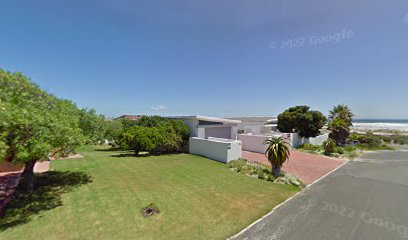
For travellers staying at a lodge such as Executive Beach Beauty or similar properties, the blend of comfort and local flavour often shines through in the setting, the warm hospitality, and the proximity to coastal walks and leisure facilities. When planning, think about a balanced itinerary: mornings on the coast or in nature reserves, followed by relaxed afternoons exploring markets or wine regions, and evenings enjoying a neighbourhood restaurant or a sunset view with friends. With thoughtful accommodation choices and a flexible timetable, a Cape Town stay can be both rejuvenating and richly rewarding.