Staying in Cape Town: accommodation, dining and getting around
Cape Town offers a diverse range of places to stay, from intimate guest houses to contemporary hotels and coastal lodges. When planning a visit, it helps to think about what you want to experience: vibrant city life, easy access to iconic scenery, or a peaceful base from which to explore wine country and pristine beaches. A short stay can be wonderfully convenient for City Bowl and Waterfront sights, while longer breaks invite a venture into the rippling Atlantic coast, Cape Winelands and the Constantia Valley.
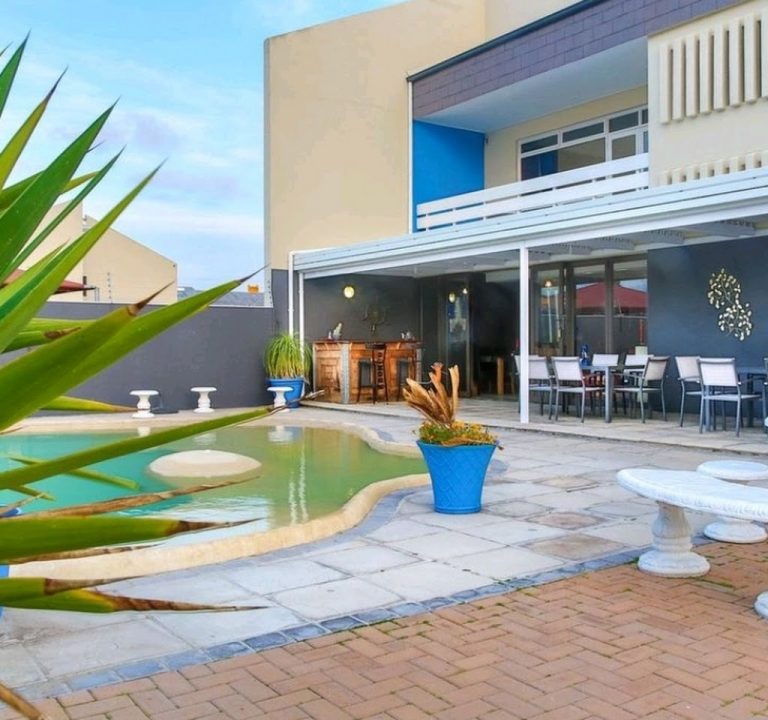
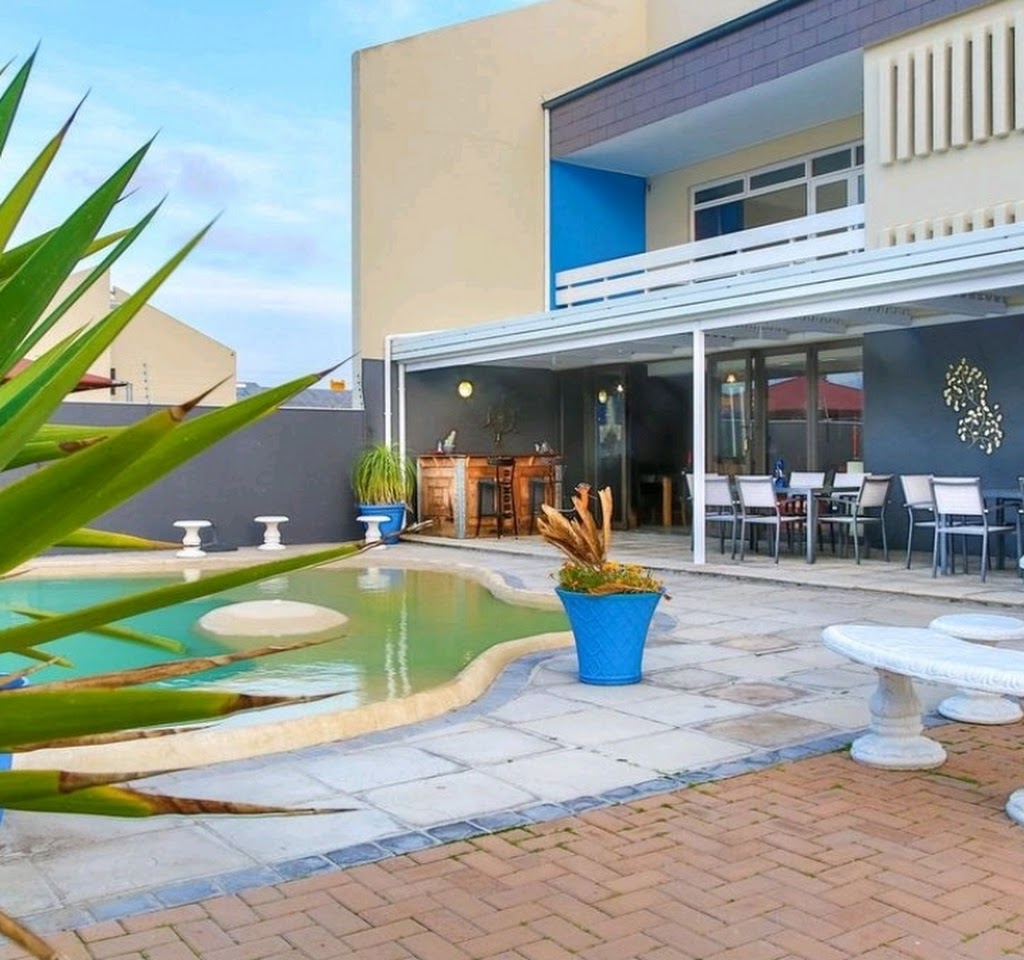
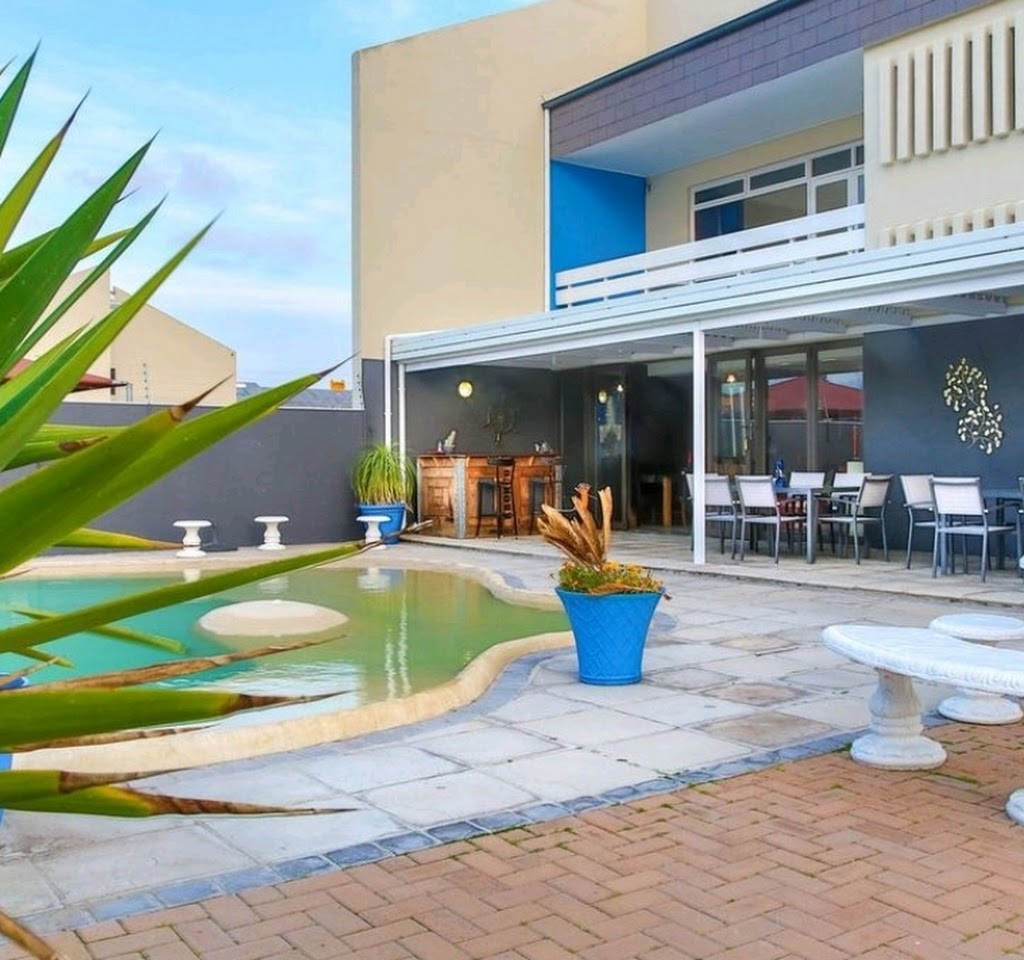
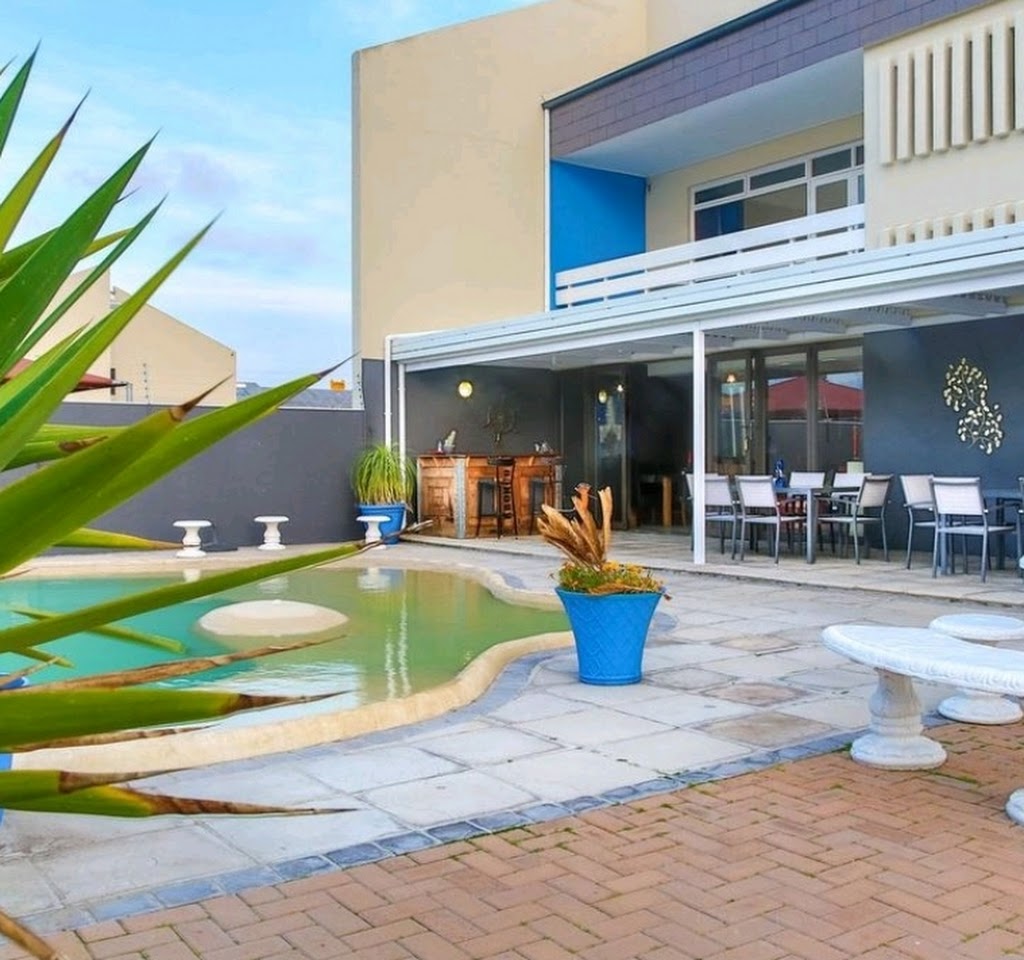
One notable option within the guest-house category is Beachwood Inn, a charming base that exemplifies the warm hospitality many travellers seek. Guest houses in Cape Town often combine personalised service with thoughtful amenities, such as en-suite bedrooms, private entrances, and delicious breakfasts that showcase local ingredients. When choosing where to stay, consider the atmosphere you prefer: intimate, homely spaces close to the action, or larger properties with more facilities and easier transport access.
Areas to consider when planning your stay include:
- City Bowl and the V&A Waterfront for easy access to museums, markets, and scenic viewpoints, with plenty of dining options within walking distance.
- Green Point and Seapoint, which offer a blend of modern hotels, coastal walks, and convenient links to highways and public transport.
- Camps Bay and Clifton for dramatic sea views and a resort feel, best suited to travellers who prioritise beaches and sunset meals.
- Constantia and nearby wine routes for a tranquil, scenic escape with cellar doors and nature trails.
- Bo-Kaap for colourful streets and a rich cultural context, paired with boutique stays and easy access to harbour-side attractions.
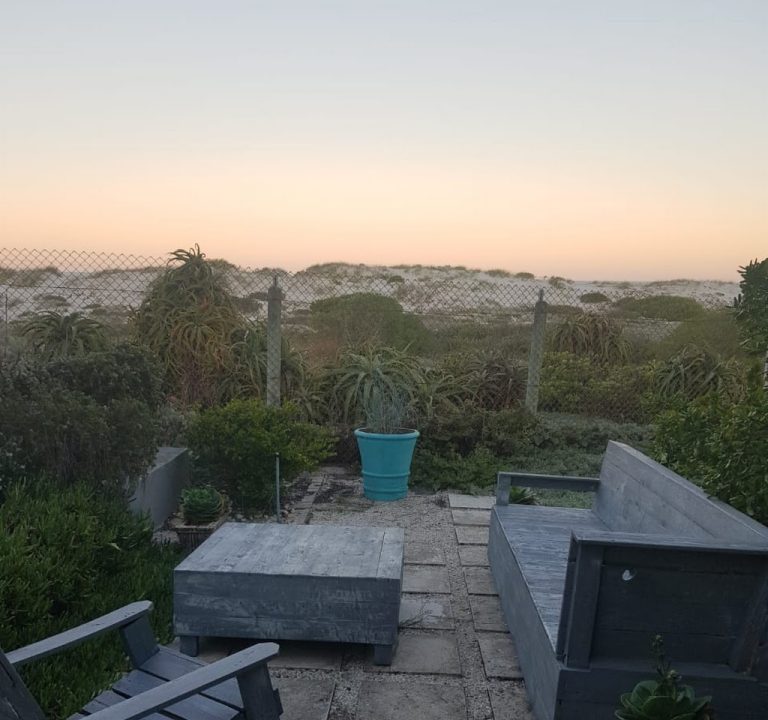
Typical amenities you might encounter include reliable Wi‑Fi, tea and coffee facilities, secure parking, and well-equipped en-suite bathrooms. Many guest houses and boutique hotels in Cape Town also offer generous breakfast service, sometimes with options for early starts to catch sunrise views over Table Mountain. If you value privacy, look for properties with private entrances, dedicated guest lounges, or outdoor spaces such as courtyards or balconies that let you enjoy fresh air and morning light.
Transport is a key consideration. Cape Town’s MyCiTi rapid bus network is a straightforward way to move between major hubs, while Uber and local ride-hailing services can provide door-to-door convenience. If you plan day trips beyond the city, a rental car offers flexibility to explore the Cape Peninsula, Chapmans Peak Drive, and the Constantia wine route. Some guest houses can arrange airport transfers or recommend trusted drivers, which can simplify your arrival and departure logistics.
The best time to visit Cape Town depends on your priorities. Spring (September to November) brings mild weather and vibrant flora, with pleasant peak-season conditions without the peak crowds. Summer (December to February) offers sun-filled days ideal for beaches and outdoor dining, though some areas can be busy. Autumn (March to May) provides cooler, calm days with fewer tourists, while winter (June to August) is typically wetter and cooler, yet still allows for excellent city experiences and coastal views when the weather permits. If you’re chasing sea sunsets or whale-watching from the False Bay side, plan accordingly and check local conditions on arrival.
When you book, keep an eye on practical details that can influence your stay. Proximity to the city’s main sights, access to parking, and the possibility of a light cooking facility can all affect how relaxed your break feels. Consider the layout of your room—whether you’ll be sharing facilities or have your own bathroom—as well as safety features such as secure access and well-lit entrances. Reading guest reviews with a focus on cleanliness, service, and accuracy of descriptions can help you manage expectations before arrival.
Beyond where to stay, Cape Town offers a broad palette of experiences that many travellers enjoy alongside their accommodation. In general terms, you’ll find vibrant markets and craft stalls, seaside promenades along the Atlantic coast, and a growing array of restaurants that reflect the city’s diverse culinary influences. Whether you’re after a casual breakfast spot with harbour views, a stylish bistro for a sunset meal, or a family-friendly café near a park, planning around a few steady meals helps you balance rest with exploration. Local experiences often include scenic drives, nature reserves, and guided walks that highlight the region’s natural beauty and cultural heritage.
If you’re seeking a well-rounded itinerary, consider combining a stay in a central district with a day trip to the wine routes, a scenic coastal drive along the Atlantic Seaboard, and a cable-car or hike up to a high vantage point for panoramic city views. A well-chosen base in Cape Town can make these experiences feel effortless, with a comfortable room to return to after a day of discovery. For more inspiration, you can explore official tourism sites and trusted travel guides that offer up-to-date recommendations on attractions, dining and local events.