Cape Town: Where to Stay, What to Do, and How to Plan a Rewarding Visit
Capetown is a city of striking contrasts and dramatic settings, where ocean, mountains and neighbourhoods blend to create a memorable stay for travellers. Choosing the right accommodation and planning your itinerary carefully can help you make the most of your time in the Western Cape. From elegant serviced apartments to cosy guesthouses and contemporary hotels, the city offers options to suit a range of styles and budgets. A well-situated base can cut transit time and maximise chances to explore both iconic sights and tucked-away neighbourhoods.
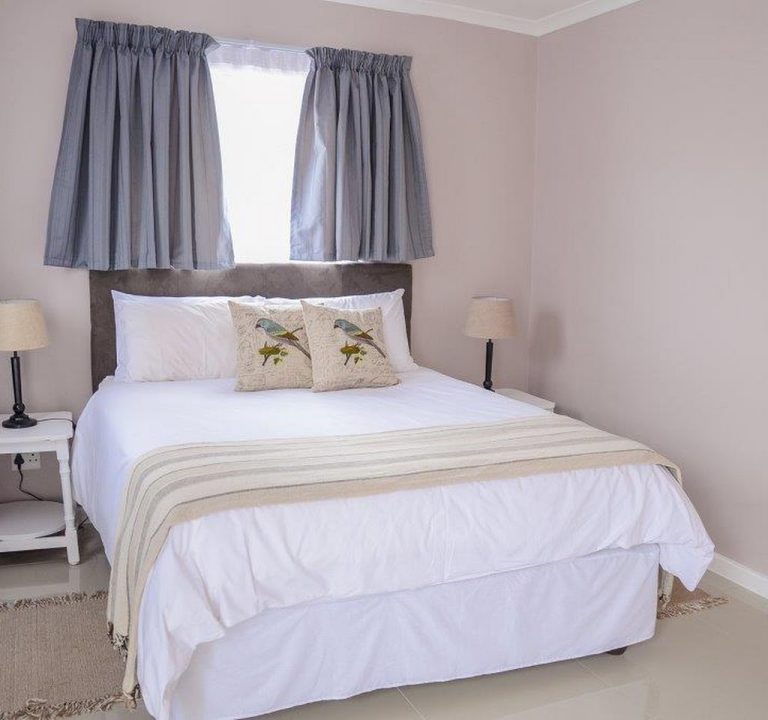
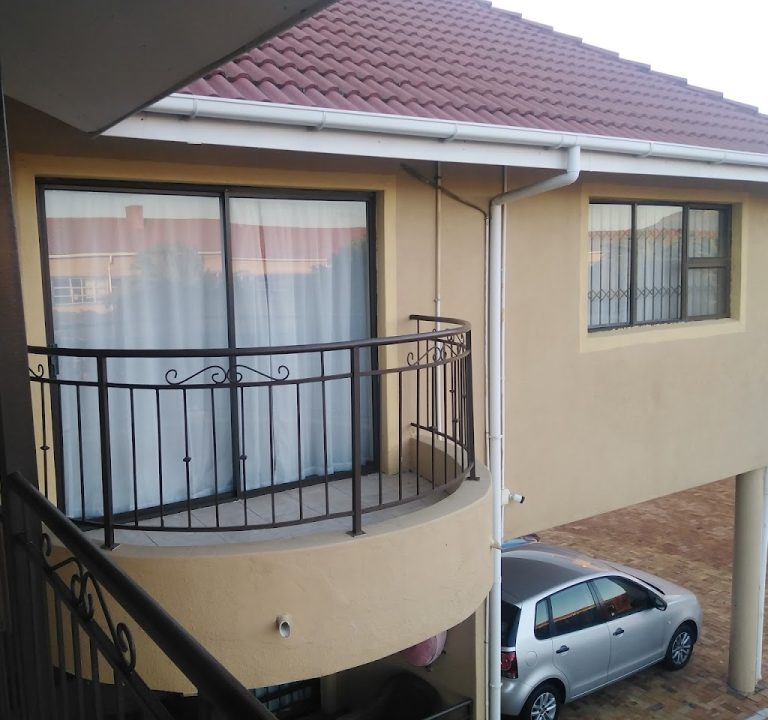
When shopping for a place to stay, consider a few essentials that genuinely shape your experience. Proximity to the places you want to visit is worth prioritising, particularly if you plan to rely on walking routes or public transport. Look for properties that offer secure access, clean and comfortable spaces, reliable wifi, and self-catering or breakfast options if you value flexibility. Proximity to world‑class scenic viewpoints, markets, or upmarket dining districts can also influence your planning. If you’ll be hiring a car, a property with on-site parking or easy access to parking bays is convenient; if not, ensure the area has safe, well-lit streets and accessible transport at night.
Accommodation in Cape Town tends to fall into several well‑defined neighbourhoods, each with its own character. The City Bowl and the historic central districts offer a compact, walkable feel with a mix of boutique hotels and serviced apartments. Green Point and Sea Point are popular for beachfront access and easy connections to the V&A Waterfront. Camps Bay provides a glamorous coastal setting with dramatic views and a lively dining scene, while Woodstock and Observatory attract visitors interested in trendy, creative enclaves and good value stays. Constantia and the southern suburbs offer a more suburban, leafy experience, often with easier access to wine routes and hillside trails.
Typical amenities to look for include a well-equipped kitchen or kitchenette, a comfortable living space, and good climate control, as Cape Town’s weather can swing from sunshine to cooling sea breezes. On-site facilities such as laundry, a gym, a pool, and secure bicycle storage can enhance longer stays. House rules, check-in procedures, and the availability of staff or on-site hosts matter, particularly if you value personalised recommendations or assistance during your visit. If you are travelling with family or a small group, room configurations and quiet zones within a property can influence the overall comfort of your stay.
Transport is a practical consideration in Cape Town. The MyCiTi bus network covers key routes and neighbourhoods, while Uber and other ride-hailing services are widely used by visitors. If you plan day trips to the Cape Peninsula, the Winelands, or the Cape Point area, renting a car offers maximum flexibility, but ensure you understand local driving rules and parking constraints. Some properties provide shuttle services or are located near hubs with easy taxi access. In-town strolls along the promenade or around the historic heart of the city can be an enjoyable way to combine sightseeing with meals or coffee stops.
The best time to visit Cape Town depends on your preferences. The city enjoys a temperate climate with warm summers and mild winters. Peak tourist season runs from November through February, when sea temperatures rise and outdoor activities are plentiful. Shoulder seasons in spring and autumn can be excellent for those seeking fewer crowds and comfortable sightseeing conditions. If you enjoy outdoor pursuits, plan for mornings when Table Mountain is often shrouded in clouds later in the day, and reserve longer led experiences or mountain excursions for clearer conditions. For wine lovers, combining a few days in the city with trips to nearby wine regions can be especially rewarding during the drier, milder periods outside peak holiday times.
Eating and drinking in Cape Town is as diverse as its landscapes. In town, expect a spectrum from casual cafes and market stalls to refined dining rooms. Coastal districts offer seafood-focused menus with seasonal ingredients, while inland and hillside areas reveal a mix of contemporary South African cuisine and international influences. For many visitors, the appeal lies in exploring a few input-rich neighbourhoods where small producers, artisanal bakeries, and vibrant eateries coexist with street markets and al fresco terraces. When dining out, you’ll likely encounter dishes built around fresh seafood, charred vegetables, game, and locally sourced produce, alongside wine pairings that showcase the region’s renowned vineyards.
Practical tips to enhance your stay in Cape Town:
- Pack layers and a light rain jacket; coastal weather can shift quickly and mornings are often cool.
- Carry some local currency for markets and smaller venues, though cards are widely accepted in most hotels and established eateries.
- Plan to book popular activities (Table Mountain access, Robben Island tours, etc.) in advance to secure time slots, especially during peak season.
- Keep valuables secure and be mindful of what you carry when exploring busy areas or markets.
- Respect local safety advisories and use reputable transport options, particularly at night.
- Water conservation can be a consideration in certain seasons; choose accommodations with intelligent energy and water usage practices if sustainability is important to you.
For a polished, comfortable stay in Cape Town, consider serviced accommodation options that blend the convenience of hotel services with the space of an apartment. The Brookston, for example, offers a well-positioned base with thoughtfully designed spaces, making it suitable for short breaks or longer stays in the city. Guests can enjoy the benefits of a managed property, with flexible layouts and practical amenities, while being within reach of Cape Town’s most celebrated sights, markets, and dining scenes. More information can be found at The Brookston website.