Cape Town: accommodation, experiences and practical tips for a memorable stay
Cape Town in the Western Cape offers a rich mix of accommodation styles to suit every traveller, from cosy BnBs and boutique lodges to self-catering apartments and scenic coastal resorts. When planning a stay, think about what you want to do each day and how close you want to be to the sights you’re most excited to explore. A well‑chosen base can cut travel time and boost your ability to enjoy the city’s outdoors, dining scenes and cultural flavour.
Areas to consider for your stay include the bustling V&A Waterfront and the central City Bowl, which place most sights within easy reach and keep transport connections convenient. Green Point and Sea Point offer a relaxed, walkable vibe with ocean views, while Camps Bay is renowned for its white sands and dramatic sunsets. For a leafy, quieter stay, Constantia Valley gives access to wine routes and hillside walks, and Woodstock or Salt River provide a more urban, up-and-coming atmosphere with easy access to hip cafés and markets. If you’re seeking a family-friendly stay, certain lodges and guesthouses in the Atlantic Seaboard can provide larger suites and safe parking, with straightforward routes to Table Mountain and the surrounding beaches.
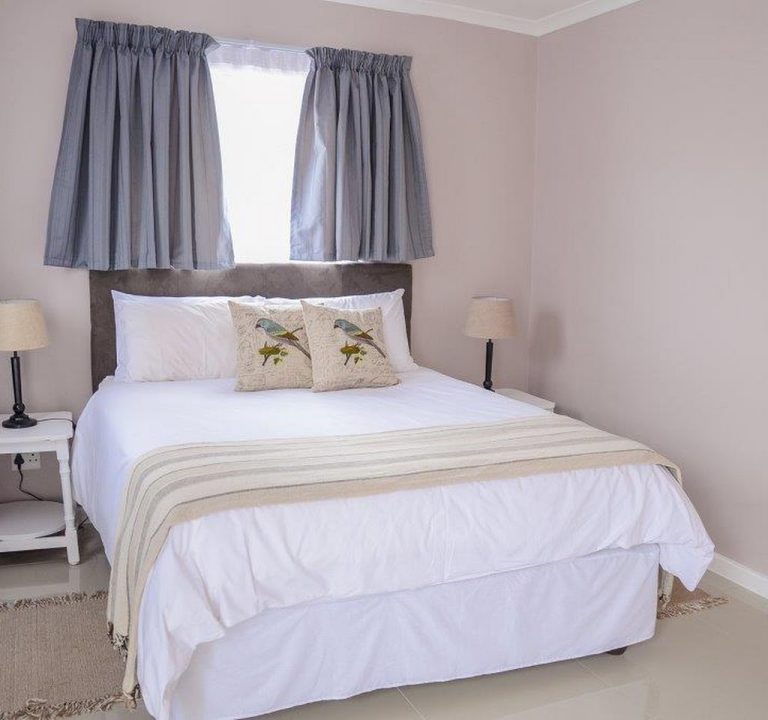
When you book, look for a few practical features that make a difference on a Cape Town itinerary. Ensuite bathrooms with adequate hot water and good lighting are essential after a day on the hills or along the Atlantic coastline. A well‑equipped kitchen or kitchenette is a boon for longer stays, as are reliable Wi‑Fi, comfortable seating, and ample storage for bags and outdoor gear. In boutique lodges or guesthouses, a warm welcome, local tips, and a breakfast service can set the tone for the day. If you plan to explore at different times of day, check parking arrangements or easy access to public transport, particularly the MyCiTi bus network or proximity to a rail station for trips to nearby towns and nature reserves.
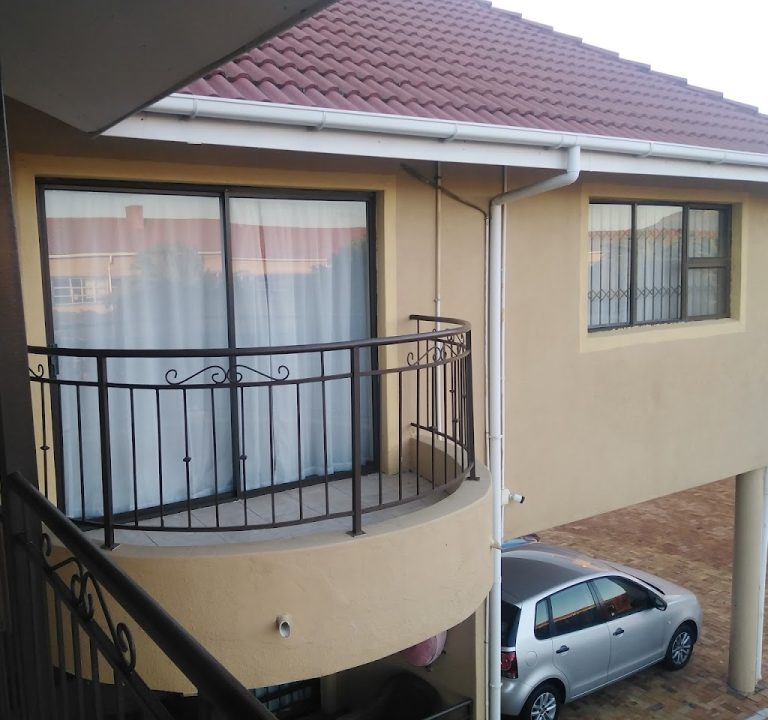
Transport in Cape Town is part of the experience. The MyCiTi bus service is useful for coastal and central routes, while Uber and other ride-hailing options are widely available. If you’re driving, verify parking availability and whether there are any parking restrictions in the neighbourhood. Many lodges and guesthouses in popular areas offer secure on‑site parking, though some smaller BnBs may require street parking or nearby lots. For day trips to winelands, lifts to Table Mountain, or coastal drives along Chapmans Peak or the Atlantic coast, a flexible plan helps, especially in peak season when roads can be busy.
The best time to visit Cape Town depends on what you’re seeking. Late spring to early summer (September to November) and the warmer months (December to February) bring longer days, lively outdoor markets, and good conditions for beaches and hikes. Autumn (March to May) can be pleasant with fewer crowds, while winter (June to August) is cooler and rainier, but still offers dramatic scenery and fewer visitors to popular attractions. If you’re chasing marine life or scenic coastal drives, consider timing your stay to align with calmer seas and stable weather windows.
Planning tips to help you make the most of your stay:
- Book accommodation with a clear plan for your must‑see highlights, balancing time between nature, culture and food.
- Choose a base close to your preferred activities to minimise daily travel—whether that’s hiking, whale watching (in season), or exploring markets and museums.
- Check access to reliable power and internet, as occasional outages can occur; a kettle, coffee making facilities and a USB charging setup are handy.
- Read guest reviews for honesty about noise, security, and the friendliness of staff, and verify cancellation policies in advance.
- Consider a mix of experiences, such as a day in the city, a coastal walk, a winery visit, and a restaurant‑led evening, to capture the diverse appeal of the region.
Attractions and dining experiences in Cape Town sit within a broad, easy-to-access network of natural beauty and culinary craft. Iconic viewpoints offer sweeping panoramas of the Atlantic Ocean and Table Mountain, while city streets host galleries, markets, and historic sites. Dining ranges from casual eateries celebrating local seafood and braaivleis traditions to contemporary restaurants that showcase seasonal produce and global influences. It’s wise to reserve on busier evenings, particularly near popular neighbourhoods, but many places also welcome walk‑ins outside peak times. For typical day plans, aim to combine a morning outdoors with an accessible afternoon in a museum district or a waterfront stroll, followed by a relaxed dinner in a courtyard or rooftop setting, where the sea breeze enhances the experience.
Useful links for planning include regional tourism sites and official city pages, which offer guidance on itineraries, safety tips, and seasonal events. If you’re staying at Lodgeon91 or a similar lodge, check the property’s own page for recommended day trips, partner eateries, and any seasonal packages that could enhance your stay. With thoughtful planning, Cape Town can be enjoyed as a compact, varied, and deeply rewarding destination that balances comfort with adventure, all within easy reach of the city’s remarkable scenery and hospitality.