Where to stay and what to do in Cape Town: a practical guide for a comfortable visit
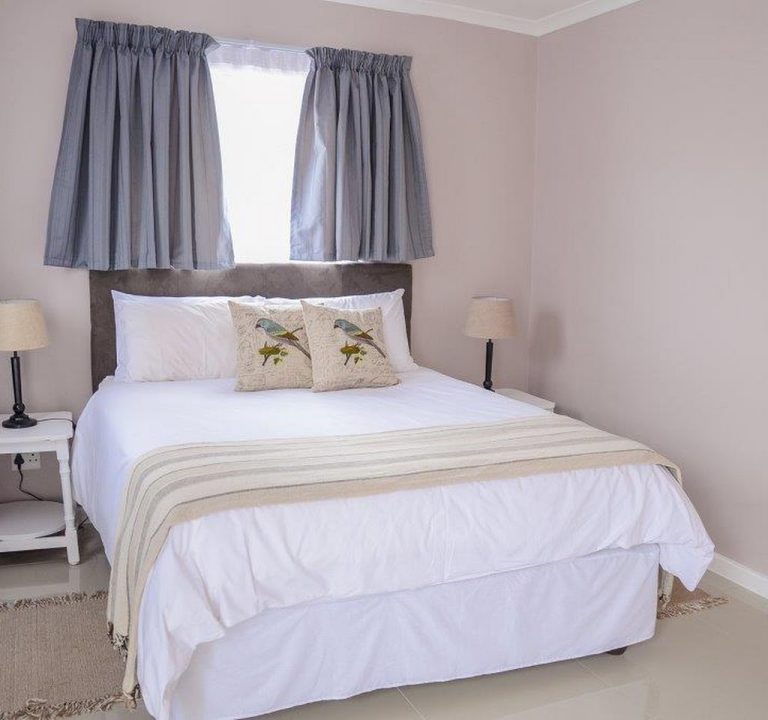
Cape Town’s appeal lies in its stunning setting, where Table Mountain frames the city and the Atlantic surrounds you with sparkling coastal towns. Whether you’re after a boutique guest house, a lodge with sea views, or a self-catering apartment that feels like a home away from home, there are accommodation options to suit every pace and budget. When planning a stay, think about what you want from your days: a relaxed base near beaches, easy access to city sights, or a quieter neighbourhood with cafés and markets on your doorstep. One well-regarded option to consider is THE BROOKLYN GUEST HOUSE, a guest house that exemplifies the friendly, personal touch you’ll often find in the city’s smaller properties.
Areas to consider when booking include the rugged splendor of the Atlantic seaboard and the bustling heart of the city. Camps Bay and Clifton offer dramatic sunsets, palm-lined walks and beach-chic dining, but they come with a higher price tag and a distance from central sights. Green Point and Sea Point strike a balance of sea breezes, jog-friendly promenades and convenient access to the V&A Waterfront. The City Bowl precinct puts you within walking distance of museums, theatres and a thriving restaurant scene, while Woodstock and Observatory give a hip, up-and-coming vibe with artisan shops and airy rooms. Constantia, set inland with leafy streets, is excellent for wine lovers and those seeking a tranquil, vineyard-adjacent stay. Consider your daily routine: if you’ll be out sightseeing most days, a well-connected hub with easy Uber or MyCiti connections can save time and stress.
When selecting accommodation, look for practical details that affect comfort and plans. A room or suite with good natural light and reliable heating or cooling is valuable in Cape Town’s seasonal shifts. A reputable guest house or hotel should provide a clean, well-maintained bathroom, adequate storage, and clear information about local transport options. If you prefer a self-contained stay, check whether a kitchenette or a compact lounge area is included. Accessibility is another consideration: some properties offer ground-floor rooms or lifts, helpful for travellers with heavy luggage or mobility needs. For stays with families or groups, ask about family rooms, interconnecting doors, or laundry facilities.
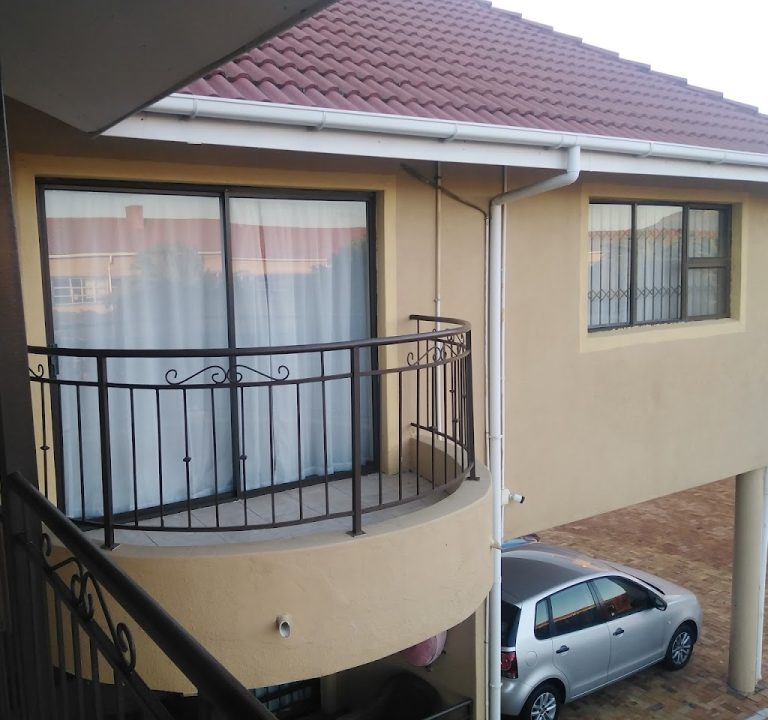
Typical amenities you may encounter include secure parking or easy parking nearby, complimentary Wi‑Fi, tea and coffee facilities, and daily housekeeping. Some properties offer small courtyards or balconies with views, which can be a welcome retreat after a day of exploring. Depending on the location, you might also find on-site dining or a light breakfast option, which can be handy for early starts to excursions up Table Mountain or along the Atlantic coast. If you’re travelling with a vehicle, verify parking arrangements and any related charges. For city explorations, proximity to bus routes or taxi services is preferable to reduce travel time and enhance flexibility.
Transportation in and around Cape Town is straightforward but varies by area. The MyCiti bus network offers a convenient way to move between major hubs, while ride-hailing apps are popular for shorter hops and evening outings. If you’re renting a car, plan for peak traffic times and safer parking options in busy districts. For trips to the iconic Table Mountain, the Platteklip Gorge route on the mountain’s northern flank is popular, while the cableway offers a scenic alternative if you want to avoid long hikes. To enjoy the coastal scenery, a stroll along the Sea Point Promenade or a drive along Chapman's Peak Drive (when open) provides breathtaking views and photo opportunities. Food lovers can sample a spectrum of dining experiences—from casual cafés to contemporary kitchens—without leaving the city’s heartland far behind. The restaurant landscape shifts with seasons, so it’s wise to book ahead during peak periods, particularly in the popular months for holidays and long weekends.
The best time to visit Cape Town depends on what you want to do. Summer months bring beach days and long daylight hours, but also higher tourist numbers and busier streets. Winter offers cooler, wetter weather and a different mood in the city’s gardens and mountains, while spring and autumn deliver milder temperatures and fewer crowds. If you’re aiming to combine city sights with outdoor adventures, late spring or early autumn can be ideal. Be prepared for microclimates: it can be sunny on the Atlantic seaboard and breezy or cooler nearby Table Mountain, so layering your clothing is wise.
Practical tips to help you plan a smooth stay:
- Choose a neighbourhood that aligns with your daily plans, balancing access to sights with quiet evenings in a safe, walkable area.
- Check for a clear cancellation policy and flexibility in dates, especially if plans might change with weather or seasons.
- Look for a venue with clear information about transport links and tips from hosts or front desk staff about local routes and attractions.
- Reading guest reviews can provide insight into real-world comfort, cleanliness, and the responsiveness of management.
- Remember to pack a universal adapter and a light rain layer, as Cape Town’s weather can be changeable and seasons differ from the UK.
For an overview of activities and ideas beyond where to stay, you can explore general guidance from Cape Town’s official tourism resources and plan routes that combine a day of city walking with a scenic excursion to the coast or the mountains. Visiting sites responsibly and respecting local communities will help preserve the unique character of the city for future travellers. For more ideas and practical planning, visit the city’s broad tourism portal: https://www.capetown.travel.