Staying in Cape Town: Accommodation, neighbourhoods to consider, and must‑do experiences
Cape Town offers a dynamic mix of stay options, from stylish guest houses and boutique hotels to self‑catering apartments with striking views. When planning a stay, think about what you want from your base: a lively urban scene near cafés and markets, easy access to the iconic sights, or a peaceful coastal retreat with room to breathe. The following guidance helps you choose appropriately and makes the most of your time in the Western Cape’s vibrant capital.
Neighbourhoods to consider
City Centre and the V&A Waterfront provide a central base for city walkers, with easy access to museums, theatres, and a range of dining options. The neighbourhoods around Green Point and Sea Point are popular for flat-access to the Atlantic Seaboard, a scenic promenade, and a lively but relaxed atmosphere. Camps Bay and Clifton sit on the Atlantic coast for dramatic sunsets and beach views, though they are typically more suited to guests seeking a resort-like ambience and convenient car or rides‑hailing access to other sights. For a quieter, leafy vibe with easy access to vineyards and nature, Constantia is a superb option. Woodstock and Observatory offer a trendier, up‑and‑coming scene with stylish eateries and art‑driven finds, while the broader city bowl provides a central hub for cafes, markets, and heritage sites. When selecting a property, check the proximity to your planned activities and whether you’ll rely on public transport, a car, or organised tours.
What to look for when booking
- Location relative to your itinerary: short walks in safe areas, or easy access to reliable transport links.
- Amenities that suit your stay: secure parking or easy street parking, reliable wifi, breakfast options, a pool or terrace, and flexible check‑in/out where possible.
- Room configuration and privacy: en‑suite bathrooms, quiet rooms, and options for families or groups.
- Guest‑house character versus hotel style: boutique properties often offer personalised service and local touches, while larger hotels may provide more extensive facilities.
- Safety and access: well‑lit entrances, secure access, and staff on site with good knowledge of local transport and areas to avoid after dark.
Practical planning tips
Transport around Cape Town is straightforward but varied in convenience by neighbourhood. The MyCiTi bus network is a cost‑effective option for many routes, while Uber and other ride‑hailing services are reliable for door‑to‑door journeys, especially late in the evening. If you’re staying near the Atlantic Seaboard or Constantia, a rental car can offer flexibility for day trips to the Cape Winelands, Cape Point, or the Constantia Valley. When booking, ask your host or accommodation about parking arrangements and nearby taxi or transfer services, particularly if you’ll be returning after dark.
Typical amenities and what they mean for your stay
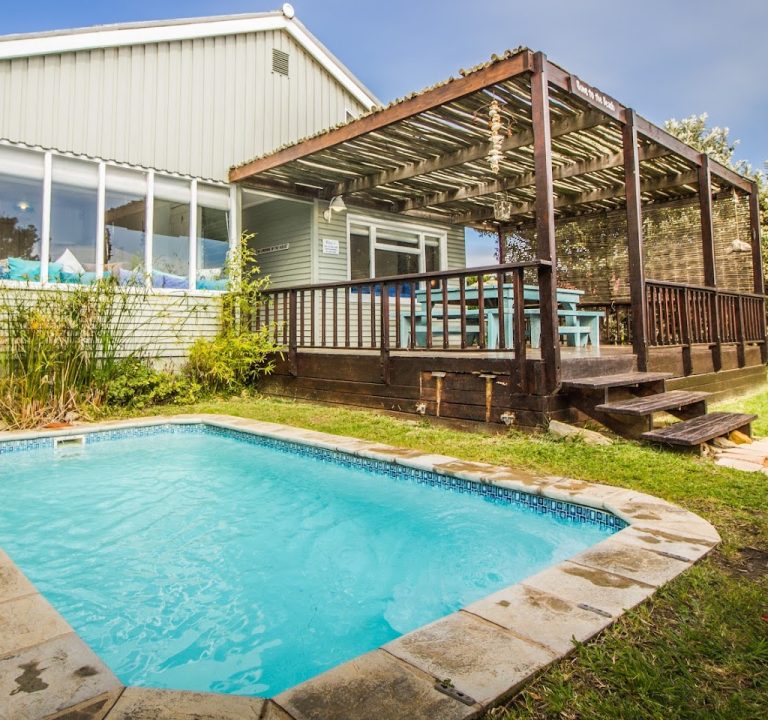
Many guest houses and boutique hotels in Cape Town promote curated experiences alongside a comfortable room. Expect a well‑appointed bed, ensuite bathroom, and a clean, inviting communal space. Breakfast is common and can be substantial, sometimes showcasing local produce or continental options. If a pool, terrace, or garden is important, verify seasonality and accessibility, as some properties operate outdoor spaces only in warmer months or with particular weather conditions. A well‑stocked information desk or staff with local knowledge can be invaluable for restaurant recommendations, day trips, and camera‑ready viewpoints on the doorstep.
Seasonality and best time to visit
Cape Town’s climate is temperate, with warm, dry summers and cooler, wetter winters. The peak tourist period runs from November to March, when coastal days are most predictable and outdoor activities—hikes, beaches, and harbour cruises—are at their best. Shoulder seasons (April–May and September–October) offer fewer crowds and milder weather, ideal for sightseeing without the peak‑season bustle. If your plans include nature reserves and wildlife, consider a stay timed to early morning or late afternoon activities when wildlife is more active and views are clearer.
Activities and where to enjoy them, in general terms
Iconic experiences in Cape Town often centre on the natural setting: a ride or hike up Table Mountain (or the scenic cableway during permitted periods), a visit to Robben Island with a guided tour, and excursions to Kirstenbosch National Botanical Garden. Venture to the Cape Peninsula for dramatic coastal scenery and the Cape of Good Hope, followed by a relaxed lunch in a harbour area or coastal village. For marine life, a boat trip or seal watching near Hout Bay can be rewarding. On the dining front, Cape Town’s restaurant scene ranges from casual beachfront eateries to refined fine dining, with a focus on fresh seafood, Cape Malay flavours, and farm‑to‑table produce sourced from nearby valleys and markets. Remember that menus and opening hours vary, especially out of peak seasons, so it’s wise to book ahead for popular spots.
Accommodation example note
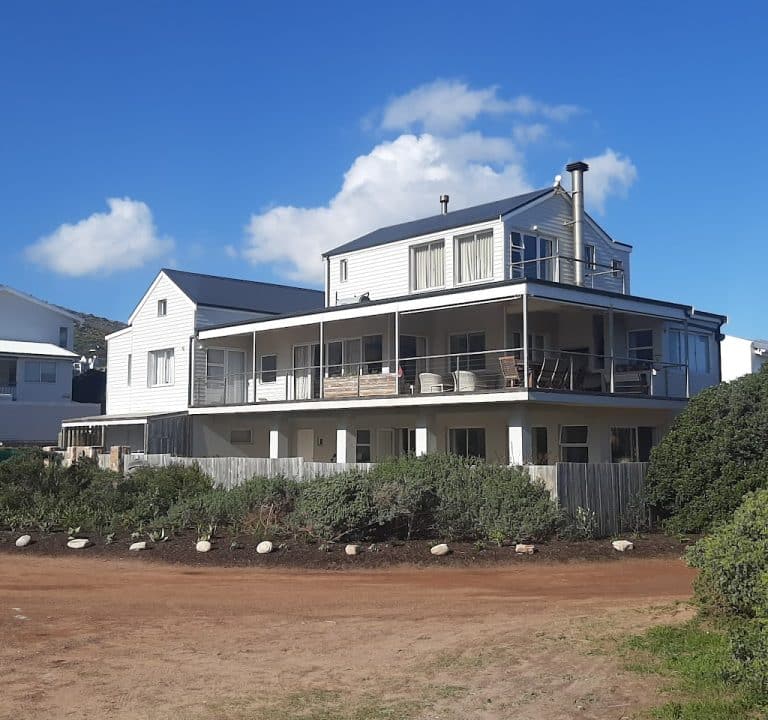
The Boat House, a guest house format staple in Cape Town, offers a compact, comfortable base with a friendly, local atmosphere. It can serve as a practical starting point for exploring from the Atlantic Seaboard to the city’s cultural heart, while being mindful of traffic and parking considerations. When researching this or any property, review recent guest feedback for insights on service levels, noise, and neighbourhood feel to ensure it aligns with your holiday style.
Final planning checklist
Before departure, confirm your booking details, transport options from the airport or railway stations, and any seasonal advisories. Print or save digital copies of your address, arrival times, and local maps. Pack layers for variable coastal weather, sun protection for outdoor days, and comfortable footwear for hillside walks and market exploring. With careful planning, your stay in Cape Town can blend restful accommodation with easy access to one of the world’s most striking urban‑coastal landscapes, full of memorable food, culture, and scenery.