Cape Town: Where to stay, savour local flavours, and plan a memorable visit
Cape Town offers a compelling mix of dramatic scenery, vibrant neighbourhoods and a restaurant scene that ranges from bustling markets to refined coastal dining. For visitors, planning a stay that balances comfort, location and ease of access to the city’s principal attractions is key. Whether you prefer a chic waterfront apartment, a leafy guesthouse in a quiet suburb, or a cliff-top villa with sweeping views, there are plentiful options to suit different styles and budgets.
Accommodation in Cape Town can be anchored by a few distinct areas, each with its own character. The City Bowl and the V&A Waterfront are convenient for first-time visitors who want to walk to museums, markets and restaurants while staying close to public transport. Green Point and the Atlantic Seaboard offer easy access to beaches such as Camps Bay and Clifton, popular for sunset drinks and long seaside strolls. Constantia, on the other hand, is perfect for visitors seeking a quieter hill-side retreat with proximity to the Constantia wine route and verdant scenery. Kalk Bay and Simon’s Town present a slower, more bohemian vibe with harbour views and authentic seafood spots. When choosing where to stay, think about daily routines: do you want to be within easy reach of the waterfront and Table Mountain, or would you prefer a countryside or coastal getaway with a slower pace?
Typical amenities you’ll encounter include well-equipped kitchens, reliable wi‑fi, secure parking, and laundry facilities. Many guesthouses and boutique hotels offer breakfast included in the rate, and some may provide assistance with arranging tours to Robben Island, Table Mountain, or the Cape Peninsula. For families, look for interconnecting rooms or spacious suites; for solo travellers, a well-situated studio or apartment with a small kitchen can be ideal to feel at home. In coastal pockets, you’ll often find guesthouses that feature terraces, pools or hot tubs with sea views. If you’re booking a larger villa or a modern apartment, check whether the property provides a dedicated concierge service or on-site hosts who can offer local tips and restaurant reservations.
Transport options in Cape Town are varied. The MyCiTi bus network provides affordable city routes, though services can be busier during peak hours. Uber and other ride-hailing services are widely available and convenient for evening outings, especially when returning from popular dining areas or attractions after dark. Some accommodation providers offer shuttle arrangements or private transfers, which can be a sensible choice for airport transfers or day trips along the coast. If you plan to explore beyond the immediate city, renting a car gives you flexibility, but factor in peak-hour congestion and parking rules at some hotels and guesthouses.
The best time to visit Cape Town is subject to your preferences. Spring (September to November) and autumn (March to May) bring mild temperatures and lighter crowds, ideal for hiking or wine tasting without peak-season price spikes. Summer (December to February) offers long days and vibrant outdoor life, but can be busy, particularly around beaches and the waterfront. Winter (June to August) is cooler and often wetter, yet it can be a peaceful time for visitors who want access to cultural venues without the bustle. Pack layers, sun protection for outdoor activities, and a lightweight rain jacket for sudden showers, especially if you plan to ascend Table Mountain or enjoy outdoor terraces.
When planning activities, aim to combine natural wonders with cultural experiences. A ride up the cable car or hike around Table Mountain reveals sweeping views of the city and coastline. The Cape Peninsula drive, including stops at Chapman’s Peak and shorelines along the Atlantic coast, makes for a classic day trip. The Kirstenbosch National Botanical Garden showcases indigenous flora in a spectacular setting. In the city, the V&A Waterfront is a hub for markets, galleries and casual dining, while historical tours offer perspective on South Africa’s recent past. For food lovers, Cape Town's dining scene spans casual seafood shacks to contemporary bistros that highlight local ingredients and wines from nearby Constantia and Stellenbosch.
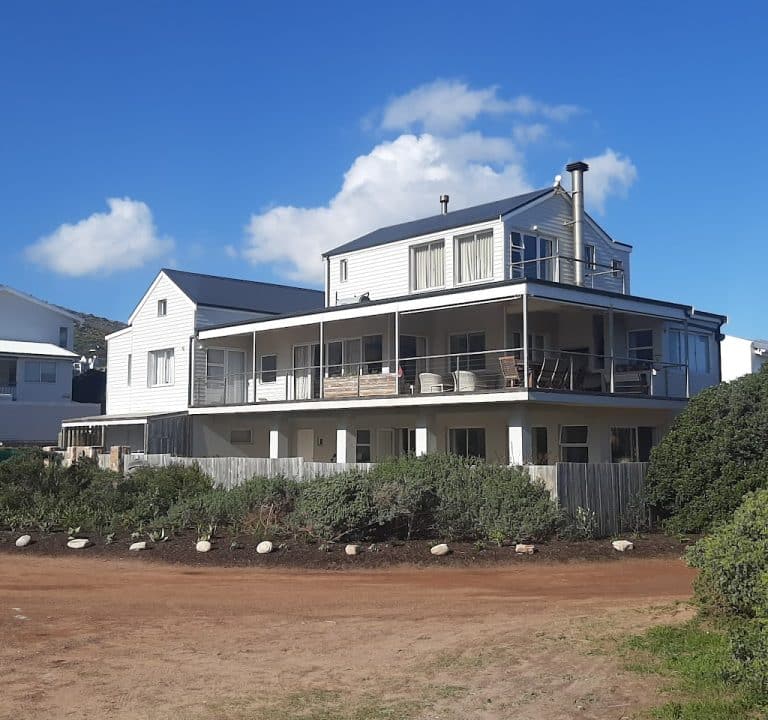
For travellers seeking a comfortable base with a flavour of the coast, Atlantic Dream Villa represents a style of stay that emphasises sea views and convenient access to Atlantic bays. This kind of villa is typical of the Cape Town area, where guests can enjoy private outdoor spaces, nearby beaches, and proximity to routes that lead to Table Mountain and city attractions. You can learn more about such properties and how they integrate with local experiences at the property’s official site: https://villasa.co.za/atlantic-dream-villa/utm_sourcegoogleutm_mediumorganicutm_campaignGMB.
To help you organise your visit, consider these practical tips:
- Book accommodation with flexible cancellation if your travel plans may shift, especially during peak seasons or when weather conditions are variable.
- Choose a property with easy access to public transport or convenient parking if you plan day trips by car.
- Check the level of security, especially if you will be out late for dining or nightlife.
- Ask for local tips on markets, beaches with lifeguards, and safer coastal areas for swimming.
- Look for properties that offer self-catering options, or that can arrange breakfast, to suit differing morning routines.
In short, Cape Town rewards thoughtful planning. By selecting a neighbourhood that matches your pace, prioritising comfortable amenities, and pairing your stay with a mix of natural scenery and culinary highlights, you can craft a memorable visit that balances relaxation with discovery. Whether you choose a stylish apartment near the V&A, a hillside villa with ocean views, or a refined guesthouse in a leafy suburb, Cape Town promises a welcoming base for exploring one of South Africa’s most dynamic destinations.