Accommodation and attractions in Cape Town, with practical planning tips
Cape Town blends dramatic natural scenery with a wide range of stays that suit different styles and budgets. From boutique B&Bs in leafy neighbourhoods to family-friendly holiday apartments near the waterfront, visitors can choose bases that maximise access to landmarks, dining and cultural experiences. When planning a stay, consider the neighbourhoods that best align with your priorities—harbour views, beach access, mountainside tranquillity, or easy access to the city centre.
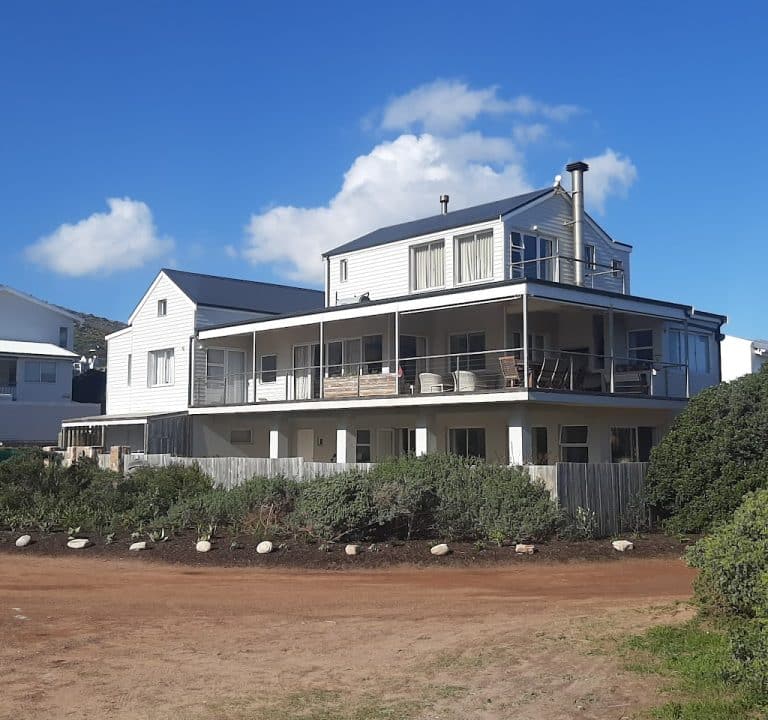
One option to consider is a holiday apartment such as a Cape Cottage-style property, which often offers the comfort of self-catering space while staying close to key attractions. This type of accommodation can provide a home-from-home feel with separate living areas, kitchen facilities, and the flexibility to tailor your days around your own schedule. Look for features that suit your plans, such as reliable heating or cooling, good natural light, and easy access to transportation links.
Areas to think about for your stay include:
- Vibrant City Centre and the City Bowl, where you’ll be within walking distance of museums, markets and a lively dining scene.
- Atlantic Seaboard towns such as Camps Bay and Clifton, known for beaches and sunset views, ideal for days spent by the sea and evenings along cliffside promenades.
- Green Point and the V&A Waterfront, offering easy access to harbourside walks, the harbour, and a concentration of eateries and shops.
- Breezy, historic suburbs such as Woodstock or Observatory, which blend artistic energy with convenient transport routes into the city and beyond.
- Constantia and nearby winelands, perfect for a slower pace and day trips to wine estates and hiking trails in a more rural setting.
When you’re booking, a few practical points help ensure you pick a place that meets your needs. Check the following:
- Distance to your planned activities and the availability of reliable transport options, whether public transit or ridesharing.
- Size and layout of the space, especially if you’re travelling with family or a group. A separate living area and a well-equipped kitchen can make a big difference.
- Bed quality and cleanliness, as well as background noise levels, particularly if you’re near nightlife hubs or major roads.
- Access to outdoor spaces, parking if you’re driving, and on-site facilities such as laundry, Wi-Fi, and security measures.
- Host or management responsiveness and clear guidance on local tips and safety considerations.
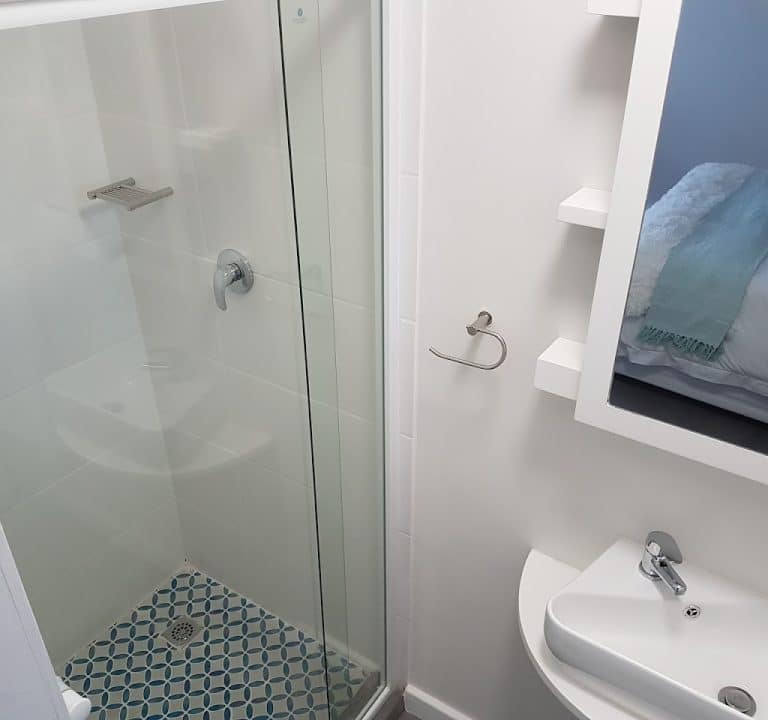
Typical amenities often seen in Cape Town stays include free Wi-Fi, self-catering facilities, air conditioning or heating, daily housekeeping options, and private entrances. Many properties also offer a curated welcome pack with essentials and local information, plus suggestions for day trips and must-see viewpoints. If you’re seeking a more hands-off experience, you might prefer boutique hotels with on-site dining and concierge services, while travellers who value independence may opt for self-contained apartments with flexible check-in times.
Transport in Cape Town is well supported by a mix of options. The city has a growing network of bus services and a popular ride-hailing culture. For longer stays or trips to wine farms and coastal towns, renting a car offers maximum freedom, though many areas are walkable or served by reliable taxi and shuttle services. If you plan to explore the Cape Peninsula, including places like the Cape Point reserve or penguin viewing at Boulders Beach, a car gives you the flexibility to set your own schedule and enjoy scenic stops along the way.
The best time to visit Cape Town is during the southern hemisphere summer and shoulder seasons. From November to February, you can expect longer days, warm temperatures and plenty of outdoor activities. The cooler months, from May to September, offer a different charm with fewer crowds and excellent hiking conditions, though some outdoor plans may be weather-dependent. Seasonal variations also influence dining experiences, outdoor markets, and the availability of certain tours, so check local listings ahead of your trip.
Attractions and experiences in Cape Town cover natural wonders, cultural heritage and food-focused explorations. You might plan a day that includes a cable-car ascent for panoramic views of the city and Table Mountain, a visit to Robinson past markets and galleries in the inner city, and a stroll along the historic harbour front. If you enjoy marine wildlife or time outdoors, consider trips to nearby nature reserves or coastal hikes with views across the Atlantic. For meals, Cape Town offers a spectrum of places to try, from casual harbour-side eateries to refined restaurants in quiet residential neighbourhoods. In general terms, you’ll find a range of menus that highlight seafood, South African grill dishes, modern fusion cuisine, and produce-driven vegetarian options.
Practical tips for visitors include staying aware of local safety advisories and keeping valuables secure, especially in busier tourist corridors. It can help to carry a small amount of local currency for markets and tips, while many venues also accept card payments. Pack layers for rapid weather changes, particularly around Table Mountain and coastal areas where sea breezes can be cooler even on sunny days. Finally, allow for some spontaneity in your itinerary; Cape Town’s best experiences often come from short detours, friendly neighbourhoods and recommendations from locals or your hosts.
For general planning and ideas on places to stay, attractions, and itineraries, you can explore official tourism resources and reputable travel guides. These sources can offer broad insights on what to expect and how to tailor your trip to your interests, whether you are seeking scenic hiking, cultural insights, or culinary discoveries. That approach helps ensure a well-rounded Cape Town visit, with a comfortable base, easy transport, and memorable experiences across the peninsula.
More information and ideas can be found at official tourism sites or reputable travel portals. For inspiration and practical planning, visit sources that cover accommodation options, transport tips, and experiences around Cape Town and the Western Cape.