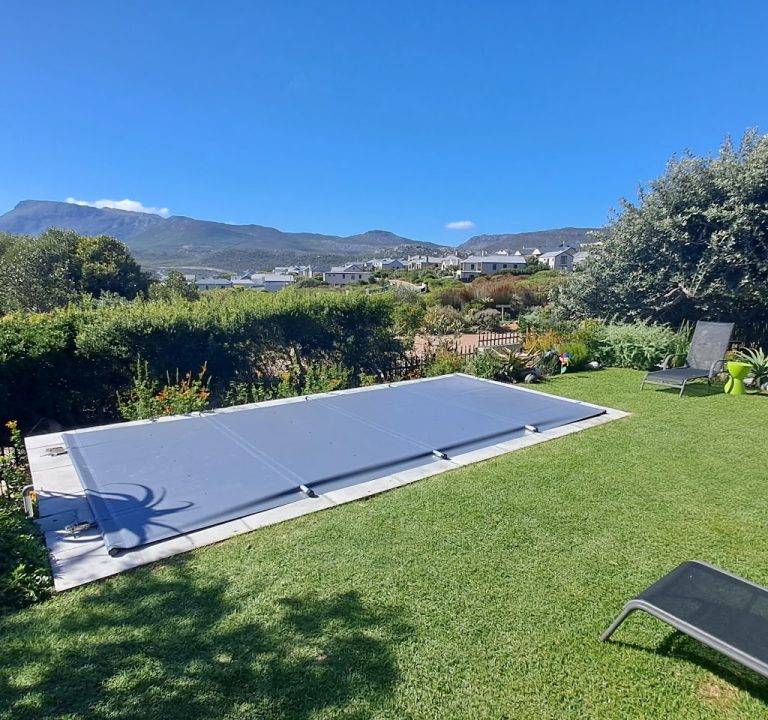
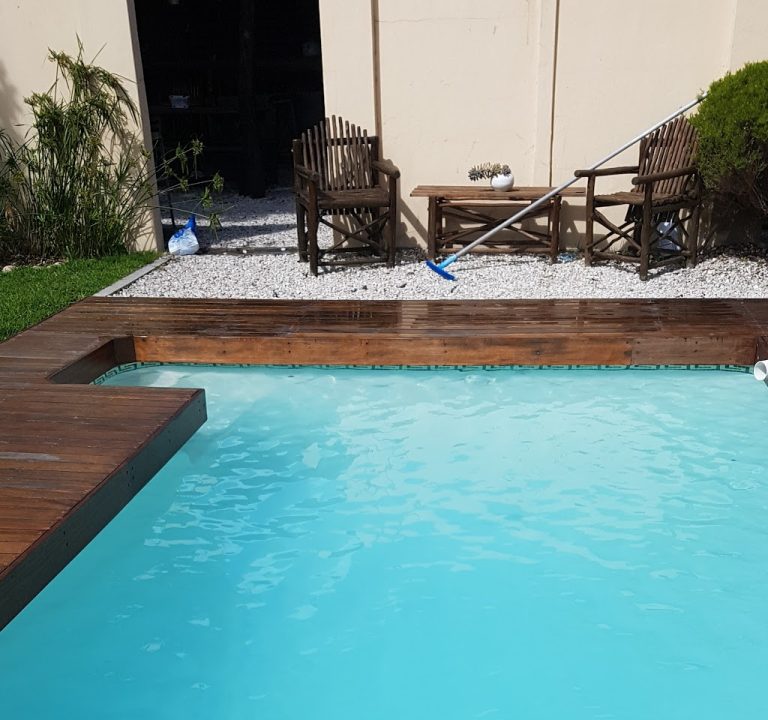
Thalassa Guest House is a Hotels establishment in Cape Town, Western Cape, South Africa
Cape Town
Western Cape
7975
South Africa
Capetown Comforts: Where to Stay and What to Do in Cape Town, Western Cape
Cape Town blends dramatic natural scenery with vibrant neighbourhoods, making it a favourite destination for travellers who want a mix of city life, coastal charm and outdoor adventure. When planning a stay, think about a balance between accessibility, character and your preferred pace. The city is large and varied, so choosing the right area can shape your whole holiday, from daily strolls along the promenade to easy access to Table Mountain, the Cape Peninsula routes, and the city’s diverse dining scene.
First, consider the areas that suit different styles of travel. The V&A Waterfront area offers modern hotels and easy access to harbour views, museums, and boat trips, ideal for first-time visitors who want everything within walking reach. The City Bowl puts you in the heart of shopping, galleries and a buzzy nightlife scene, with many guesthouses and boutique hotels nestled in the slopes above the central streets. For a more relaxed residential vibe, seaside suburbs such as Green Point, Sea Point or Camps Bay provide a range of guesthouses, boutique hotels and self-catering options with sea breezes and scenic walks. If you’re seeking a family-friendly base, constantia valley or nearby Constantia’s wine routes offer tranquil stays with ample space and access to green hills, while still being a short drive from the city centre.
When booking, look for a few key features. Air conditioning or good ventilation is valuable in warmer months; many properties provide fans for summer comfort and heating for cooler nights. Consider whether you prefer breakfast included, a self-catering space, or access to on-site dining. Evaluate the transport links: proximity to MyCiTi bus routes, train stations, or easy ride-hailing access can significantly reduce daily planning time. A compact guesthouse or boutique hotel with knowledgeable staff can be a big help for practical tips on local currents, safety, and day trips. If you expect to move around a lot, an accommodation with parking or strong public transit connections may save you stress and time.
Typical amenities to look for include reliable Wi‑Fi, secure access, tasteful common areas, and a courteous, knowledgeable front desk or host. Many properties in Cape Town offer curated experiences or can arrange recommendations for hikes, wine-tastings, markets, and day trips. A well-run guesthouse or boutique hotel may also provide thoughtful touches such as personalised itineraries, taxi or transfer organisation, and guidance on local etiquette and safety considerations. For travellers seeking a more intimate stay, boutique hotels and guesthouses can offer personalised service, a quieter atmosphere, and rooms that reflect the local character—often with views of the surrounding mountains or the sea.
Transport in Cape Town is convenient but varied by area. If you plan a lot of sightseeing, staying near a rail link or major bus routes helps, and many hotels can arrange reliable airport transfers or private shuttles. If you’ll hire a car, check parking arrangements and note that some streets in the central areas are pedestrianised or have limited vehicle access at certain times. For short trips along the Atlantic Seaboard or to the Constantia wine route, a car is convenient, though many travellers prefer ride-hailing or organised tours to avoid city driving and parking concerns.
Best time to visit Cape Town depends on your priorities. The summer months (December to February) bring longer days, Mediterranean-style beaches and outdoor markets, but also peak crowds. Spring (September to November) and autumn (March to May) offer milder weather and fewer crowds, with excellent sea conditions for coastal walks, hiking and wildlife viewing. Winter (June to August) can be cooler and windy, but offers great value in mid-range and city stays, plus a chance to enjoy cultural events and indoor attractions. Whichever season you choose, plan ahead for popular activities: Table Mountain trips, Robben Island ferry bookings, and popular day tours often require advance planning, especially during school holidays and peak travel periods.
To get the most from your stay, consider a mix of activities that cover nature, culture and gastronomy. Iconic natural experiences include a sunrise or sunset visit to viewpoints above the city, coastal walks along the Atlantic coast, and easy hikes in Table Mountain National Park. Cultural options span museums and galleries that interpret South Africa’s history and contemporary life, while architectural walks reveal Cape Town’s historic districts and modern design. In terms of dining, the city’s food scene ranges from casual seafood shacks near the sea to sophisticated dining experiences offering seasonal produce and coastal influences. You’ll find excellent options in all major districts, with many venues focusing on fresh ingredients, shared plates and bold, regional flavours.
Practical tips to help you navigate and enjoy Cape Town:
- Pack layered clothing to adapt to changing coastal weather and mountain winds.
- Budget for both indoor and outdoor activities, including a mix of free sights (boardwalks, viewpoints) and paid experiences (museums, guided tours).
- Book key experiences in advance, especially during peak seasons or school holidays.
- Choose accommodation with flexible cancellation policies where possible.
- Respect local safety norms, especially around valuables in crowded areas or at beaches after dusk.
For travellers seeking a balanced stay that combines personal hospitality with easy access to Cape Town’s most sought-after experiences, boutique guesthouses and small hotels can be a wise choice. They often offer a sense of place, with hosts who can tailor itineraries to your interests—whether that means a hiking day atop Signal Hill, a wine-tasting drive along the Constantia Valley, or a relaxed family day along the coast. A well-chosen base can transform a city break into a comfortable, well-paced adventure, where every morning brings a fresh possibility and every evening offers a flavourful reflection of Cape Town’s remarkable spectrum of landscapes and cultures.
Wherever you decide to stay, Cape Town rewards curious travellers with a rich mix of scenery, history and hospitality. A thoughtful booking, practical planning and a willingness to explore beyond the obvious will ensure you make the most of your time in this striking corner of the Western Cape. And if you’re seeking a personally hosted option within this diverse city, boutique stays such as Thalassa Guest House offer a sample of the charm and convenience that characterises a well-curated Cape Town stay.
Sorry, no records were found. Please adjust your search criteria and try again.
Sorry, unable to load the Maps API.
Why Claim Your Listing?
Claiming your listing on the B&B Finder directory website is a valuable opportunity for business owners. Here are five reasons why you should consider claiming your listings:
Control Over Business Information: By claiming their listing, business owners can ensure that all the information presented is accurate and up-to-date. This includes details such as contact information, address, pricing, and available services or amenities. Accurate information helps prevent customer confusion and improves overall satisfaction.
Enhance the Listing: Once a listing is claimed, owners can enhance it by adding more comprehensive information and rich media, like high-quality photos and videos. These additions can make the listing more attractive and engaging to potential customers, thereby increasing the likelihood of bookings.
Marketing Opportunities: Claiming a listing can also open up additional marketing opportunities. Owners may be able to participate in promotional campaigns, special offers, and other marketing activities organized by the directory. This can increase visibility and attract more customers to the business.