Discover Soweto: Accommodation, Attractions and How to Plan Your Stay
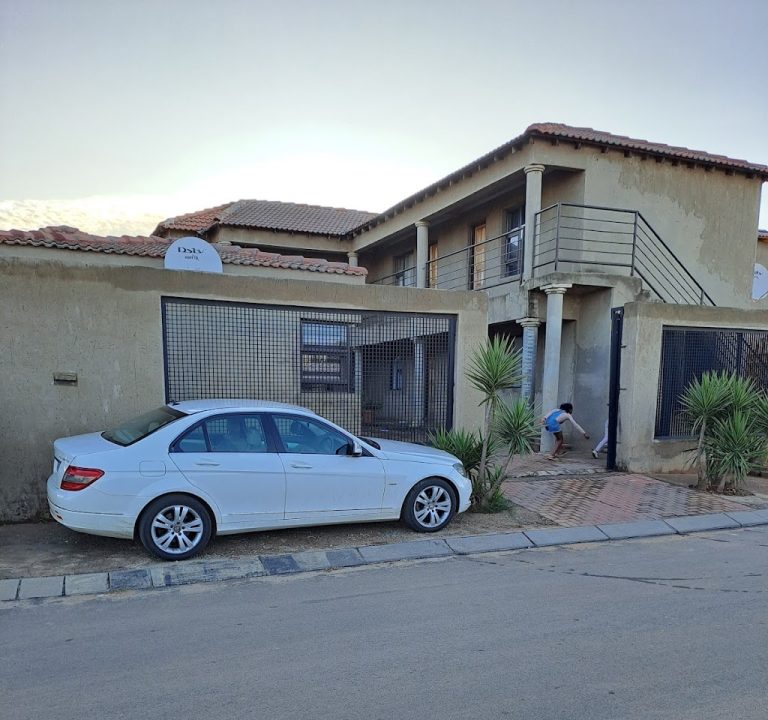
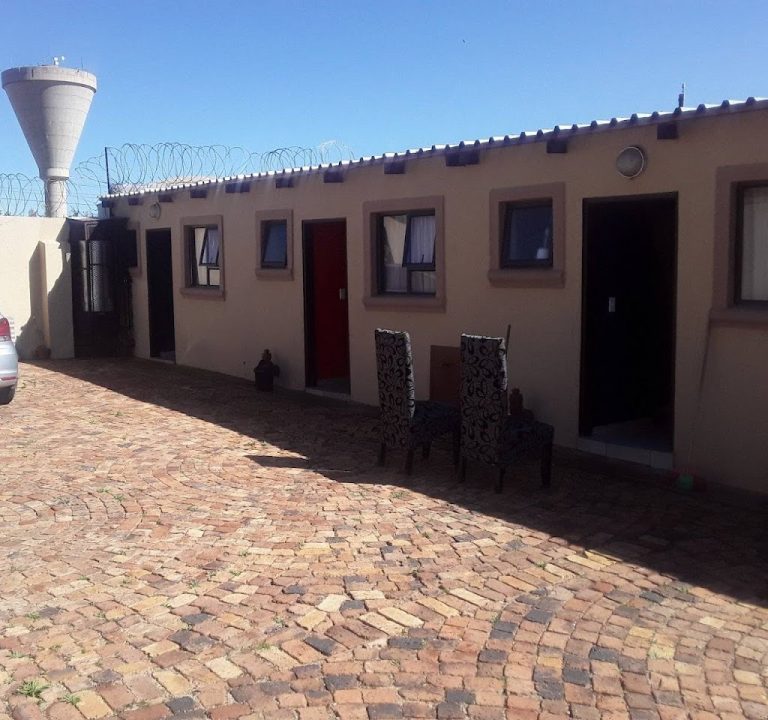
Soweto, a vibrant township in Gauteng, offers a mix of self-catering options, guesthouses and community-friendly stays that put travellers near both history and contemporary city life. When planning a visit, consider staying in areas that balance ease of access with an authentic sense of place. South-western portions of Soweto tend to be well connected by major roads and public transport, while northern reaches are often close to museums, markets and cafés. A stay centred around one of the self-catering properties, such as SweetHome Accommodation, can be convenient for independent travellers who prefer to cook and manage their own schedules while still enjoying guided experiences and local dining nearby.
Key factors to look for when booking include the following:
- Location relative to your planned activities, museums, markets and food districts
- On-site amenities such as a kitchen or kitchenette, laundry facilities, and secure parking or easy street access
- Safety features and neighbourhood character, including well-lit streets and responsive management
- Guest reviews focusing on cleanliness, accurate descriptions and helpful hosts
- Access to reliable transport options, whether private transfers, rideshares, or public transit
Typical accommodation options in Soweto range from self-catering flats and serviced apartments to intimate guesthouses and family-run lodges. In many cases, you’ll find homely, well-equipped spaces with private entrances, shared living areas, and straightforward kitchen facilities that allow you to self-cater after day trips to the broader Johannesburg area. When choosing, think about how much you value privacy, cooking facilities, and the chance to connect with hosts who can offer local recommendations.
What to expect in terms of amenities varies, but many properties offer free high-speed Wi-Fi, clean bedding and towels, and access to secure parking. Some self-catering stays provide basic appliances, such as a stove, microwave, kettle, and refrigerator, while others may offer more comprehensive kitchen setups. House rules, check-in arrangements, and the availability of assistance from hosts are worth noting, particularly if you are new to the area. If you rely on Uber or other ride-hailing services, ensure the accommodation is well located for convenient pickups and drop-offs near safe, well-lit streets.
Transport and getting around are practical considerations. Soweto is large and diverse, so having a plan helps. Public transport options include minibus taxis and authorised shuttle services that connect to Johannesburg’s central business district and Sandton. If you prefer door-to-door convenience, arrange airport transfers or local drivers through established providers. For sightseeing, staying close to hubs with easy access to museums, markets, and outdoor spaces can cut travel time and boost your experience. A mix of walking and short rides often works well, especially on days when you want to explore township markets, historic sites, and street cafés.
The best time to visit Soweto generally aligns with South Africa’s temperate climate. Spring (September to November) and autumn (March to May) offer mild temperatures and pleasant conditions for outdoor exploring, while winter (June to August) is cool but often clear and sunny. Summer can bring warmer days and occasional showers, which is great for lush urban parks but may require light rain gear. If you are planning outdoor experiences or guided tours, booking ahead during peak periods—especially weekends and public holidays—helps ensure space and flexibility.
When planning activities, consider a mix of cultural, historical, and culinary experiences. Soweto’s streets are rich with stories and community-led projects, and many visitors choose to book supervised tours that provide context to key sites. For meals, stay flexible: you’ll often find local eateries offering traditional dishes, modern takes on favourites, and casual cafes in which you can sample coffee, pastries, and light meals. Rather than booking a single, all-day itinerary, build a light frame of activities with room for spontaneous discovery—market days, street art stops, and a restful afternoon in a garden or café can be as memorable as a formal tour.
Practical tips for a smooth stay:
- Plan an itinerary that clusters activities by area to minimise travel time
- Ask hosts for insider tips on safe routes and enjoyable, lesser-known spots
- Pack a light shawl or jacket for cooler evenings and a reliable power bank for longer days out
- Respect local customs and learn a few phrases in isiZulu or isiXhosa where possible
- Check the property’s security features, neighbourhood guidance, and any curfews or gate times
For travel inspiration and practical planning, official tourism resources can provide general guidance on Soweto and the wider Gauteng region. A stay anchored by a comfortable self-catering option offers flexibility to explore at your own pace while supporting local hosts and communities. Whether you are drawn to the historic sites, the vibrant street life, or the growing culinary scene, Soweto rewards curious travellers with warmth, atmosphere and a genuine sense of place.
Further information and ideas can be explored online through official tourism resources and accommodation listings. If you are considering a stay with SweetHome Accommodation, you can verify availability and details via the property's website or linked tourism pages, while keeping in mind the general tips above to plan a balanced and enjoyable visit to Soweto.