Accommodating Soweto: Where to stay, what to plan, and how to enjoy the neighbourhood
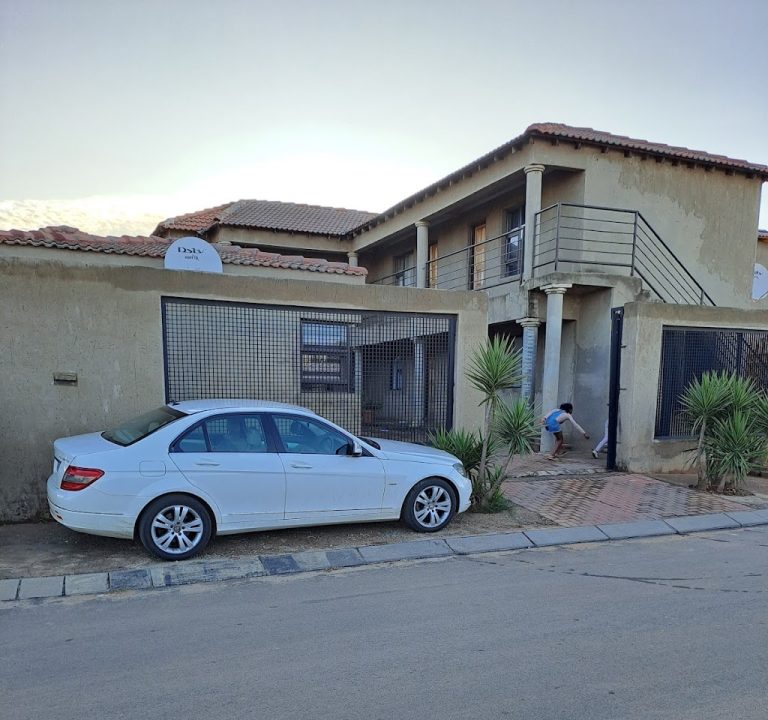
Soweto, in Gauteng, offers a distinctive mix of history, culture and modern South African life. When planning a stay, consider choosing accommodation that places you within easy reach of the main sights, while offering a sense of safety, comfort and authentic atmosphere. Options range from modest B&Bs and guesthouses to contemporary lodges and self‑catering apartments. Look for places that emphasise guest comfort, clear directions, and practical extras such as secure parking and on‑site parking, friendly hosts, and easy access to public transport or organised tours.
Areas to consider include the northern and central districts, which typically provide closer access to major historical sites, markets, and dining. Some guests prefer staying near main transport routes for straightforward day trips, while others opt for quieter pockets that feel more residential and offer a deeper immersion in Soweto’s daily life. When evaluating a property, consider the factor of transport convenience: proximity to bus routes, train stations, or ride‑sharing access can save time and reduce planning headaches for trips to sites scattered across the township and neighbouring districts.
Typical amenities that matter for a comfortable stay include reliable Wi‑Fi, hot water, comfortable beds, air conditioning or heating as needed, and safe on‑site parking. Many B&Bs and guesthouses in Soweto offer breakfast as part of the room rate, with a simple, hearty spread that can set you up for a day of exploring. Hosts often provide useful local tips, maps, and suggested self‑guided routes, which can be invaluable for first‑timers. If you are travelling with family or a small group, look for rooms or suites that offer flexible configurations or a compact kitchen so you can prepare light meals if you prefer a quiet evening in.
Practical planning tips for your stay:
- Book with hosts who can arrange or recommend guided township tours that prioritise respectful engagement, learning, and community benefit.
- Check access to reliable transport options, whether it’s on‑site parking, safe street parking, or easy connections to public transit.
- Ask about late‑check‑in arrangements if your arrival time is outside standard hours, and clarify which amenities are available after dark.
- Consider the season and climate. Soweto enjoys warm summers and mild winters, but evening breezes can feel cooler, so a comfortable blanket or heater may be useful in shoulder seasons.
Transport in and around Soweto is straightforward but can vary by area. If you prefer not to drive, choose accommodation near main transport links or close to a reputable tour operator’s pick‑up point. For self‑drivers, plan routes in advance and allow for typical traffic patterns, especially when heading into central Johannesburg or popular marketplaces. Taxis and ride‑hailing services are commonly used by visitors, and many properties can help arrange trusted local operators. When outlining a day trip, factor in travel times to historic and cultural sites, ensuring you return in daylight hours for added safety and convenience.
Best time to visit Soweto tends to be during the more temperate months of spring and autumn, though the area is vibrant year‑round with markets, live music, and community events. If you are aiming to catch markets, open‑air performances, or street art showcases, coordinating with your hosts or a local guide can help you align your stay with events or seasonal markets. For those who prefer cooler evenings and lower humidity, late autumn through early spring can be very pleasant for long walks and photo opportunities around iconic streets and viewpoints.
Nearby attractions and experiences can be enjoyed in a general sense without committing to specific names or hours. Expect opportunities to learn about the area’s history, view street art and public sculptures, visit museums or memorial sites, and enjoy casual dining that reflects local flavours. Walking routes and guided tours often highlight stories of resilience and community development, offering visitors meaningful insight into everyday Sowetan life. Markets and casual eateries provide a chance to sample traditional snacks, coffee, and other light meals in relaxed settings. For nature lovers, there are green spaces and riverside paths on the edge of the township that make for easy half‑day excursions or a peaceful break between visits to different sites.
When selecting a place to stay, a few practical considerations can help ensure a smooth visit. First, read recent guest reviews to gauge consistency in comfort, cleanliness and responsiveness. Second, review the cancellation policy in case travel plans shift. Third, confirm what is included in the rate (such as breakfast, parking, or laundry facilities) to avoid surprises. Lastly, balance cost with value: a well‑located, well‑run B&B or guesthouse with attentive hosts can offer a richer experience than a higher‑priced hotel far from key sights.
For more information and inspiration, consider visiting official tourism sites or accommodation aggregators that specialise in South Africa and Soweto. You can explore options and plan itineraries that balance comfortable rest with immersive local experiences. If you prefer a concrete base to begin your planning, a well‑located B&B in Soweto, such as Protea Glen or nearby areas, can provide that warm, welcoming home from home and a practical anchor for longer stays or short breaks alike.