Soweto, Gauteng: Where to stay and what to explore
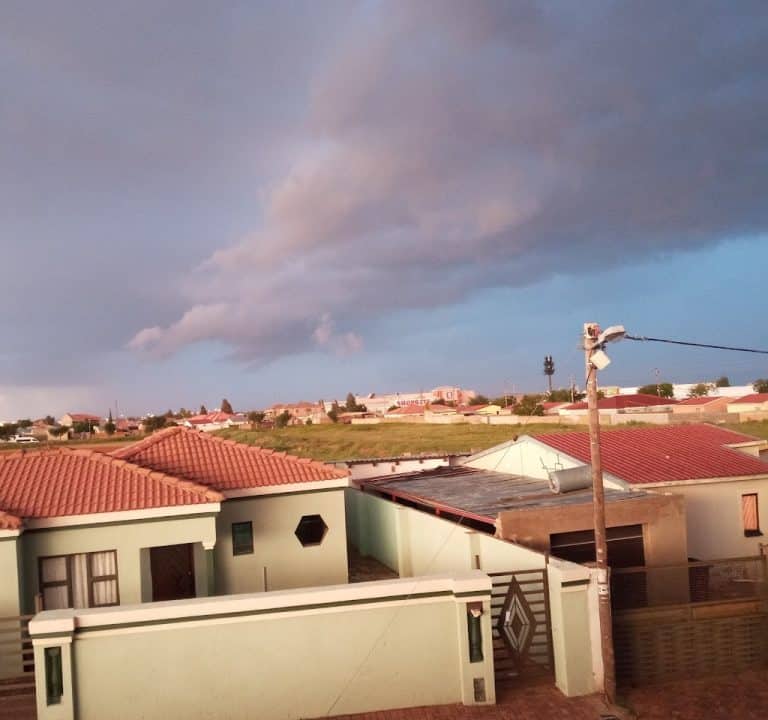
Soweto offers a mix of intimate guesthouses, welcoming BnBs, and comfortable lodges that suit a range of budgets and travel styles. When planning a stay, it helps to think about the vibe you want and the convenience you need for getting around Johannesburg and the wider Gauteng region. Areas such as Vilakazi Street and the adjacent neighbourhoods each have their own character, while other parts of Soweto provide a quieter base with easy access to sights and experiences.
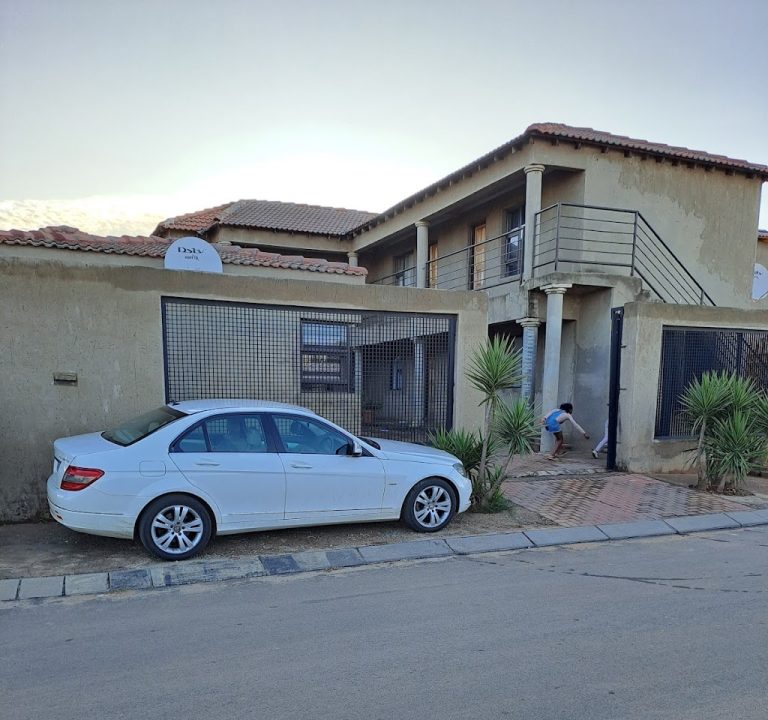
Accommodation in Soweto ranges from small, family-run guesthouses to larger properties geared towards guests seeking reliable facilities and security. Look for places that emphasise warm hospitality, clear housekeeping standards, and reliable security arrangements. Common features to expect include comfortable en suite rooms, Wi‑Fi, onsite parking, and perhaps options such as breakfast or self-catering facilities. If you plan day trips or longer explorations, ask your host about arranged transfers or trusted local drivers, as well as safe, easy routes to main roads and transit hubs.
Choosing where to stay depends on how you intend to move around. Vilakazi Street in Orlando West is a popular central hub with stores, eateries, and walkable access to several memorial and cultural sites. If you prefer a calmer atmosphere while still being within easy reach of sights, residential areas such as Pimville or Jabulani often offer guesthouses with a more intimate feel and generous parking. For those who want a base close to main transport links, look for properties that advertise proximity to major roads or bus routes, and convenient access to taxi services or rideshare options.
Practical planning tips for your stay:
- Check the accessibility of entrance doors, elevators (if needed), and bathroom configurations, especially if mobility is a consideration.
- Ask about security measures, including gate access, 24-hour reception, and local area guidance.
- Confirm breakfast arrangements and any dinner options, as some places may offer traditional meals or on-site kitchens.
- Clarify parking provisions and whether there is any extra charge for secure off-street spaces.
- Inquire about laundry services and extended-stay facilities if you’re planning a longer visit.
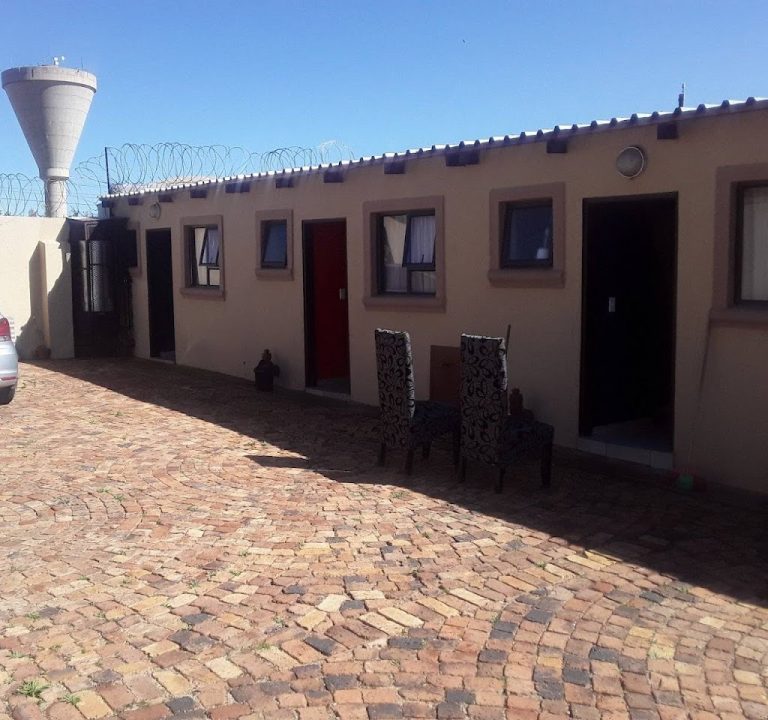
Typical amenities you might encounter include air conditioning or fans, clean linen, private bathrooms, and daily housekeeping. Some properties provide small courtyards or verandas for guests to relax in the evenings, while others offer communal lounges or outdoor seating where you can mingle with other travellers. If you’re travelling with children or have specific accessibility needs, it’s worth noting which rooms or sections of the property are best suited to your party and whether staff can assist with any special arrangements.
Transport and getting around Soweto is part of the experience. Rideshare apps and taxis remain common, and many guests find that planning a few key trips per day helps avoid the risk of getting lost. If you plan to venture beyond Soweto, arrange transport to Johannesburg’s city centre or the airport with your host or your chosen driver in advance. Local tips often help with safe, efficient travel, including the best times to visit certain streets or markets to avoid heavy traffic.
Best time to visit Soweto often depends on the weather and your interests. The region enjoys a temperate climate with warm summers and cooler winters. The dry winter months can be pleasant for outdoor exploring and walking tours, while the summer season brings longer days and the chance of late-afternoon showers. If you’re after cultural events, local performances, or markets, check local listings ahead of your trip so you can align your stay with activities that interest you most. Touring earlier in the day can also help you beat the heat and crowds at popular sites.
Attractions and experiences in Soweto are as enriching as they are varied, and you don’t need to over-plan every minute. Township heritage tours often provide insights into daily life, history, and music that shaped the area, while museums and memorial sites offer thoughtful context to the stories of Soweto and its people. Many visitors enjoy strolls through vibrant streets where street art, local crafts, and small eateries reveal a warm, contemporary side of Soweto. For a meal out, look for restaurants that celebrate local flavours and traditional fare, with options for sharing plates and groups to reflect the social atmosphere of the neighbourhood.
For those seeking a straightforward base, a guesthouse such as Jabula Guesthouse (where available) can provide a friendly, home-from-home atmosphere that makes it easy to unwind after a day of exploration. When researching or booking, consider guest reviews, the consistency of housekeeping, security arrangements, and how well the property serves as a gateway to Soweto’s sights as well as to Johannesburg’s wider attractions. A well-chosen stay can be a comfortable retreat that also helps you feel connected with the local community and easy to navigate for day trips or evening strolls.
In summary, Soweto offers a range of indoor lodging options that can suit different preferences, from central, walkable bases to quieter residential guesthouses. By focusing on practical details, transport options, and a flexible plan for exploring, you can make the most of a stay in this historically rich and culturally vibrant part of Gauteng. Website links to individual properties or local tourism information can help you compare options and plan a balanced itinerary that includes both compelling landmarks and the everyday hospitality Soweto has to offer.