Soweto, Gauteng: where to stay, what to do, and how to plan a memorable visit
Soweto offers a rich tapestry of heritage, culture and modernising urban life, with a range of accommodation options that cater to different budgets and preferences. Whether you are seeking a welcoming guesthouse in a leafy neighbourhood, a boutique stay with authentic décor, or a family-friendly lodge with convenient access to local sights, Soweto provides a gateway to understanding South Africa beyond the city centre.
Areas to consider when choosing where to base your stay include Vilakazi Street and the surrounding neighbourhoods in central Soweto, which are close to many historic sites and offer a lively, walkable feel. Diepkloof and Pimville provide good value with easy access to main roads and taxi or ride-hailing services. Meadowlands, Orlando and Mnandi offer a mixture of residential charm and practical proximity to shopping, markets and transit links. When selecting accommodation, think about what you want from your days: a quiet base after busy mornings, or a vibrant hub with cafés and local culture on the doorstep.
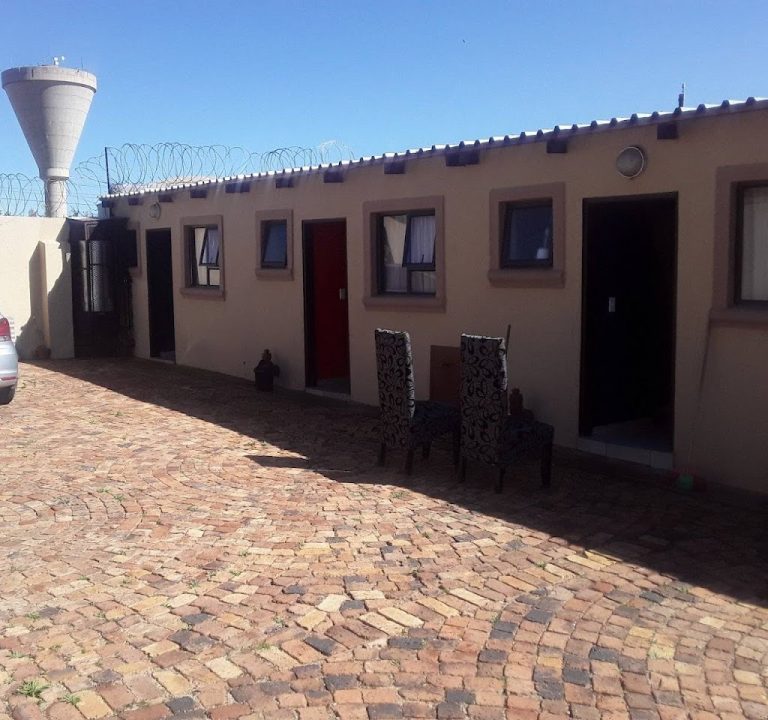
Typical accommodation in Soweto includes guesthouses, BnBs, small hotels and family-run lodges. You’ll often find rooms styled with warm, locally inspired furnishings, light breakfasts or self-catering options, and the chance to arrange guided village or market tours through the host. Look for amenities that will save you time and enhance comfort, such as secure parking, reliable hot water, Wi‑Fi, flexible check-in, and clear guidance from hosts on safe transport options after dark. If you are travelling with a group or family, ask about family rooms or interconnecting units, as well as access to communal spaces for meals or socialising.
Transport is a practical consideration in Soweto. Many visitors rely on rideshare services, hired cars or pre-arranged transfers. Public transport options are available but can be less frequent than you might expect, particularly outside of peak hours. A good plan is to book airport or city transfers in advance and to confirm pickup points with your accommodation. Within Soweto, hosts or local tour operators can arrange township-friendly guided experiences, often including visits to historic homes, markets, and cultural performances. If you prefer walking, choose a central area close to Vilakazi Street, where you can explore by foot during daylight with a cautious approach to traffic and crowds.
Best time to visit Soweto generally mirrors South Africa’s seasons. The dry winter months (May to August) offer pleasant daytime temperatures and easier outdoor sightseeing, though evenings can be cooler. Spring and autumn bring mild weather, while the summer rainy season can bring sudden showers. For outdoor markets and street life, early mornings and late afternoons are often best to avoid the heat and crowds. If you enjoy dynamic city scenes, weekends can be particularly lively, with local markets and cultural performances taking place in various compounds and public spaces.
When booking, it helps to think through a few practical points:
- Location relative to sites you plan to visit, and your preferred pace—central, walkable stays versus longer taxi rides from quieter pockets.
- What’s included in the rate—breakfast, laundry, and access to shared spaces can add real value to a modest price.
- Amenities that matter most to you—free parking, secure access, Wi‑Fi for work or streaming, and language compatibility with helpful hosts.
- Safety and comfort—read recent guest reviews regarding neighbourhood activity, lighting, and the responsiveness of hosts.
- Transport arrangements—clarify arrangements with hosts for late arrivals or early departures and whether they can assist with reliable local transport options.
Beyond a comfortable stay, Soweto’s visitor attractions are the heart of a memorable trip. You can expect opportunities to learn about South Africa’s history and diverse cultures through guided experiences that emphasise local perspectives. Cultural demonstrations, markets, and community projects often operate within safe, well-trodden routes that hosts can suggest and arrange. While exact venues and programme details may change, you can anticipate insightful experiences that illuminate everyday life in a vibrant township.
Local dining features the flavours of South Africa with a focus on hearty favourites and casual eateries. In and around Soweto, you’ll find options ranging from traditional grilled fare to contemporary casual dining, often in friendly, informal settings. Look for places that prioritise locally sourced ingredients and offer a relaxed atmosphere suitable for travellers. If you opt for a hosted meal or private dining arrangement as part of a stay, your host can usually suggest venues that are popular with residents and offer a genuine sense of place.
Practical tips for a smooth stay in Soweto include arriving with a light plan for your days and modest expectations regarding pace and transport. Bring a small amount of local currency for markets and small purchases, while most activities and meals can be paid by card where accepted. Be respectful of local customs and dress modestly when visiting religious or community spaces, and always follow guidance from hosts and guides about safety, photography, and group etiquette. Finally, be curious, open to conversation, and ready to support local businesses that welcome visitors with warmth and pride.
For planning and inspiration, you can explore general information about Soweto’s accommodation and attractions on visitor-friendly websites and the official tourism pages of Gauteng. Even without fixed names or prices, the sense of place—friendly hosts, vibrant streets, and meaningful heritage—remains at the heart of a stay in Soweto.