Accommodating Cape Town: Where to stay, what to expect, and how to plan your visit
Cape Town is a city of contrasts, framed by ocean and mountains and threaded with vibrant neighbourhoods that cater to all styles of travel. When planning accommodation in the Western Cape’s iconic destination, it helps to know the options, the areas that suit different interests, and the practical details that make a stay comfortable and hassle‑free. From cosy bed and breakfasts to modern boutique hotels and self‑catering guesthouses, there is a choice to suit budget, pace, and experiences.
Areas to consider when booking
- City Centre and the V&A Waterfront: Central location puts you within easy reach of museums, markets, and the airport transfer routes. It’s ideal for travellers who want to walk to attractions, dine out, and enjoy nightlife within a compact footprint.
- Atlantic Seaboard (Sea Point, Green Point, Bantry Bay): A popular choice for families and romantics alike. Proximity to the coastline, scenic walks, and a range of eateries makes it easy to mix beach days with city ventures.
- Bakoven and Camps Bay: For those seeking a coastal vibe with stylish dining and panoramic ocean views. Quiet mornings and sunset strolls along the seafront are highlights, with the option to hire a car for day trips.
- Constantia and the Constantia Valley: An appealing area for wine lovers and travellers seeking a more relaxed, countryside feel while staying close to the city. Street-level gastronomy and cellar doors are part of the appeal.
- Observatory and greener neighbourhoods: A bohemian alternative with characterful guesthouses and easy access to universities and public transport.
Choosing the right type of stay
Bed and breakfast options provide a personable start to your Cape Town visit, often including a hearty breakfast and hosts who can share local tips. Boutique hotels combine personalised service with stylish interiors, while self‑catering apartments and guesthouses offer flexibility for longer stays or family groups. If you are travelling with a larger party, look for properties with multiple rooms or suites, privacy features, and an option for private entrances or dedicated lounges.
What to look for when booking
- Location relative to your planned activities, and easy access to transport links such as the MyCiTi network or reliable private transfer options.
- Security measures, well‑lit streets, and lockable entrances or 24‑hour reception where applicable.
- Room configuration and comfort: en‑suite bathrooms, sufficient storage, good heating/air conditioning, and a reliable hot water supply.
- Amenities that matter to you: free Wi‑Fi, parking, a communal kitchen, laundry facilities, or a pool and outdoor seating.
- Cancellation policies and payment terms—particularly for popular periods when availability can be tight.
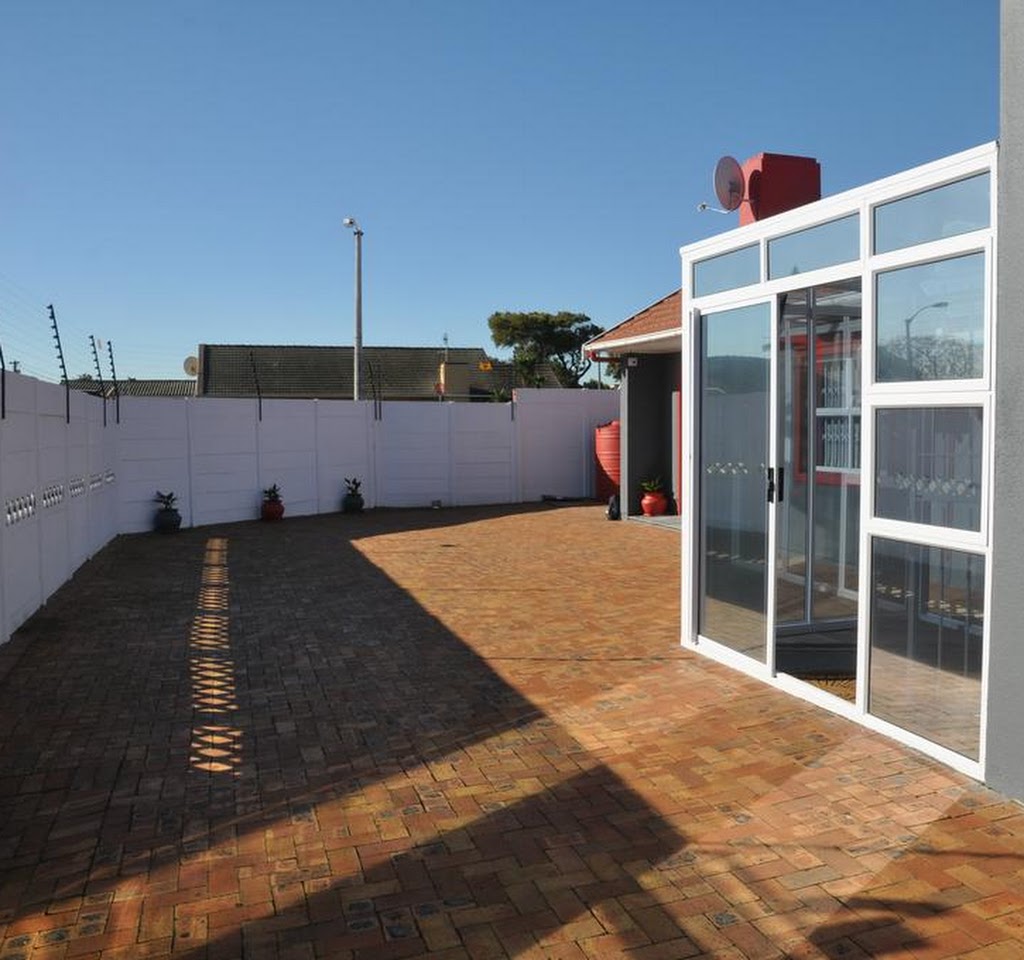
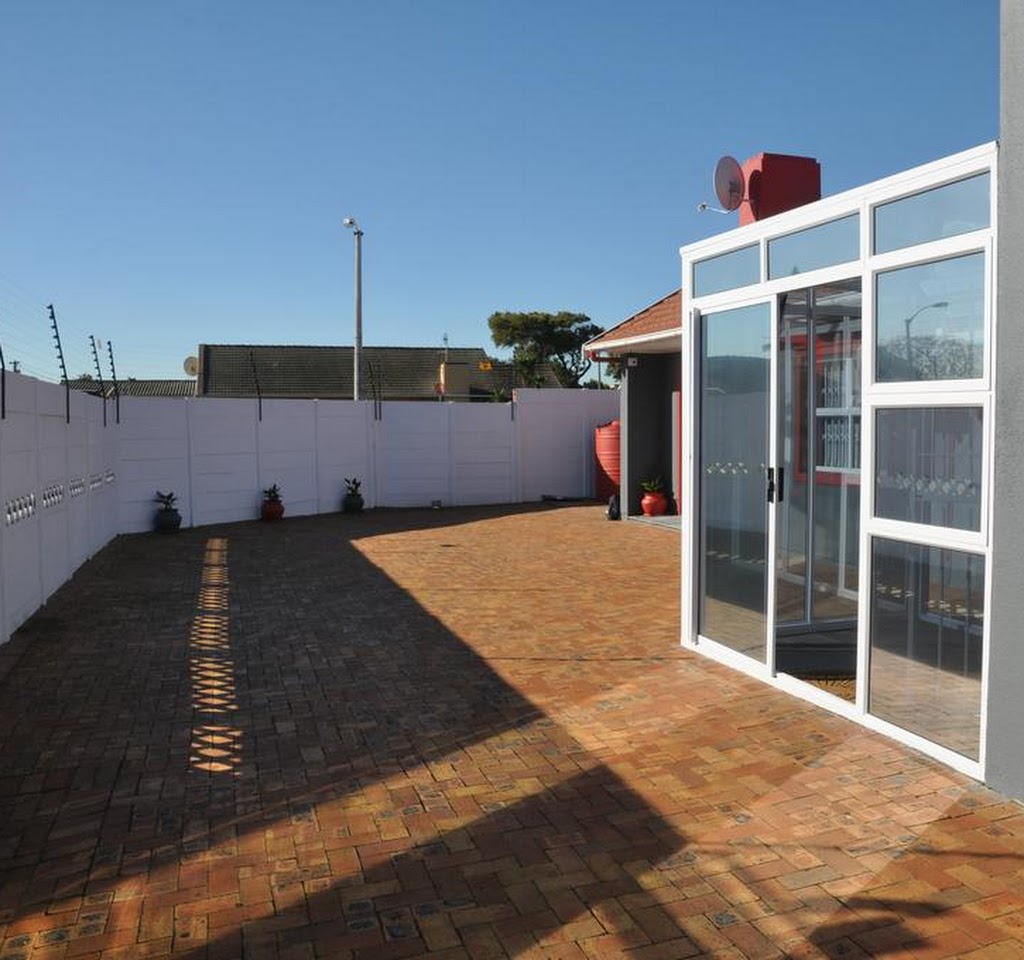
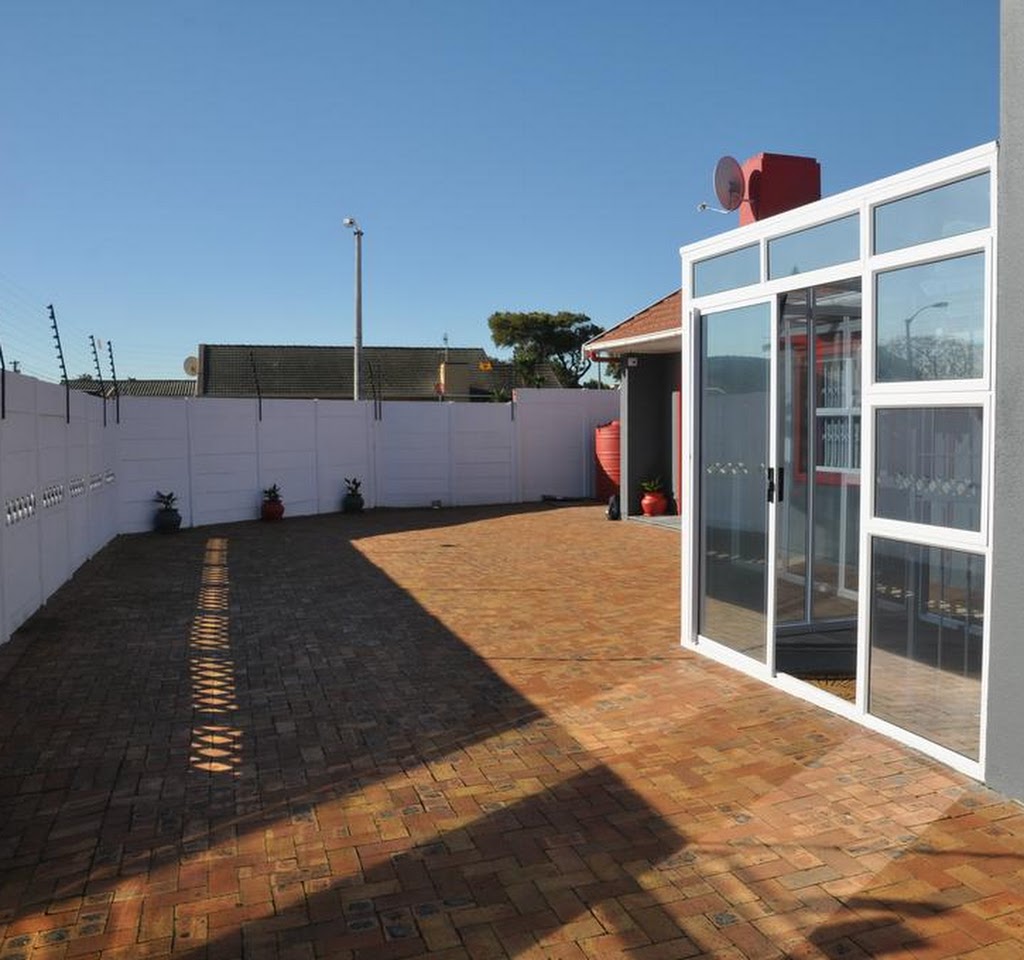
A typical stay might include evenings in stylish dining districts, easy basing in a comfortable room, and day trips to nearby sights. For residents of Surrey Bed & Breakfast, for instance, a well‑located option can offer a traditional, welcoming atmosphere with the advantage of strolling access to local cafés and markets.
Transport and getting around
Public transport in Cape Town is practical for many travellers, with the MyCiTi bus network offering routes across the city and to popular suburbs. Ridesharing services and taxis are widely available and reasonable for short hops, while renting a car provides the flexibility to explore beyond the city bowl, the Cape Peninsula, and neighbouring wine regions. If you plan day trips to sights such as Table Mountain, Cape Point, or the Cape Winelands, arranging a driver or a tour with a reputable operator can simplify logistics and maximise time on the ground.
Best time to visit and practical planning
Cape Town’s climate is temperate and changeable. Spring (September to November) and autumn (March to May) are often praised for mild weather, blooming flora, and fewer crowds. Summer (December to February) brings longer days and busy coastal areas, while winter (June to August) can be cooler and wetter, though many indoor attractions stay lively year‑round. Pack layers, a light rain jacket, and sun protection for outdoor activities such as coastal walks or cable‑car rides up the Atlantic Seaboard hills.
What to do and what to eat, in general terms
Beyond your chosen accommodation, Cape Town offers a blend of nature, culture, and cuisine. Iconic viewpoints and nature reserves provide opportunities for scenic walks and photography, while museums, markets, and galleries give insights into the region’s history and creative life. Dining tends to reflect the city’s multicultural influences, with seafood, bistro fare, and contemporary South African cuisine featuring prominently. To get a sense of the local scene, explore neighbourhoods with bustling cafés, wine bars, and casual eateries where seasonal and regional ingredients are celebrated.
Practical tips for a smooth stay
- Book early for peak seasons and major events to secure preferred areas and rooms with the best views or access.
- Check access to parking or public transport options from your accommodation to plan day trips.
- Respect local security advice and keep valuables discreet, particularly in busy urban spots.
- Look for properties with clear health and safety policies, and understand the cancellation terms in case travel plans change.
- Consult your host or property manager for tailored recommendations on walking routes, markets, and dining spots that match your interests.
With its diverse neighbourhoods, warm hospitality, and a wealth of near‑by experiences, Cape Town makes a memorable base for exploring both city highlights and unforgettable coastal and wine‑country trips. By choosing a well‑located stay, understanding your priorities, and planning transport in advance, you can focus on enjoying the scenery, cuisine, and culture that make this city one of the Western Cape’s perennial favourites.