Cape Town: Accommodation, Attractions and Practical Planning for a Memorable Stay
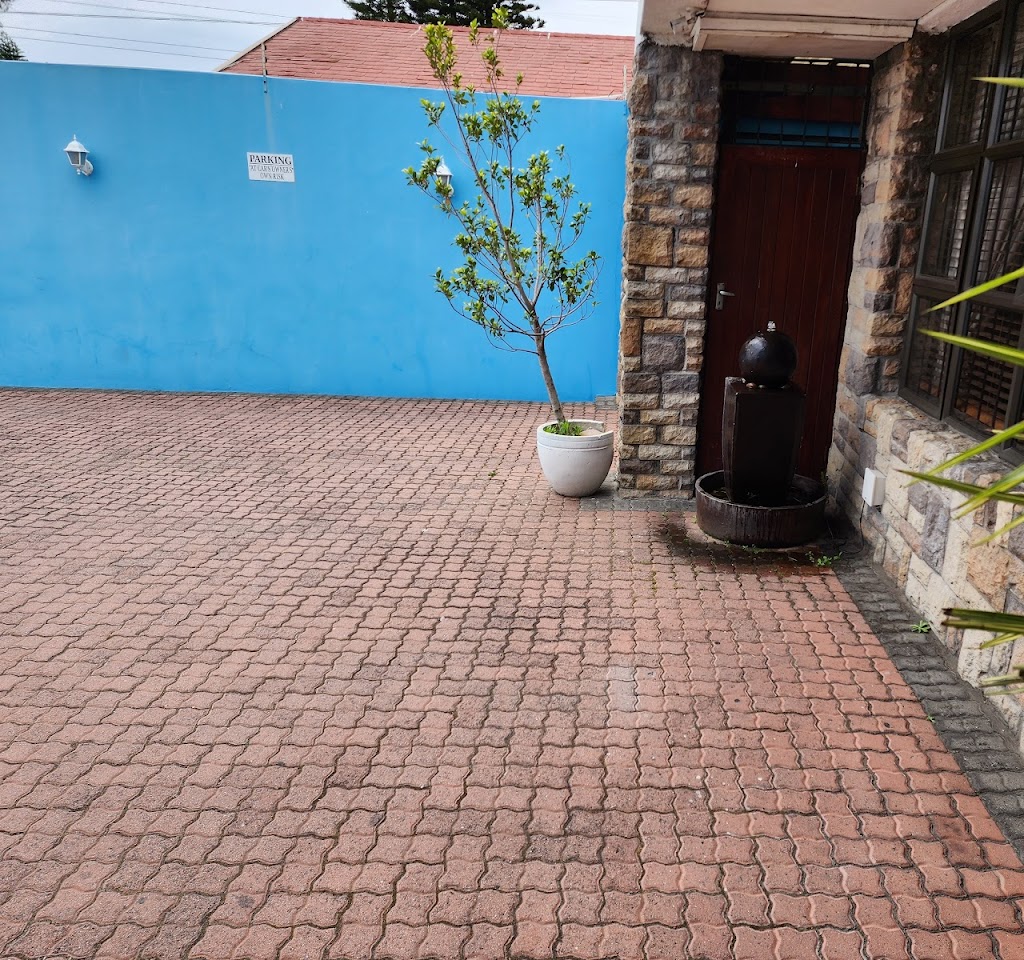
Nestled between the Atlantic Ocean and the iconic Table Mountain, Cape Town offers a diverse range of places to stay that suit every type of traveller. From boutique guest houses and cosy B&Bs to stylish lodges and family-friendly hotels, you can tailor your base to match your itinerary, preferred neighbourhoods and budget. A notable example in the guest house category is Lodge 36 on Shaanti, which represents the intimate, personable experience that many visitors seek when exploring the Western Cape’s capital.
Choosing where to stay often comes down to accessibility, atmosphere and what you want to do while you’re there. The city centre and the historic Bo-Kaap area are ideal for urban explorers and first-time visitors who want to be within walking distance of museums, markets and a buzzing dining scene. The V&A Waterfront, with its entertainment and dining options, is great for families and those seeking mild sea breezes and harbour views. For beaches and outdoor activities, the Atlantic Seaboard towns of Camps Bay and Clifton offer cliff-top vistas and sun-drenched sands, while Constantia on the slopes of Table Mountain provides a tranquil, leafy backdrop and wine-country charm. Suburban enclaves such as Green Point, Sea Point and Observatory each have their own rhythm, with easy access to public transport and city attractions.
When booking, look for a few practical amenities that can shape the quality of your stay. A well-equipped kitchen or breakfast service can save time in busy days, while on-site parking is a real convenience given the city’s traffic patterns and limited street parking in peak periods. If you’re visiting in peak summer, air-conditioning or ceiling fans become valuable, and reliable, fast Wi‑Fi is essential for planning days, sharing experiences and streaming maps. Quiet rooms or dedicated workspaces help if you travel for both leisure and work. For families, a property with flexible sleeping arrangements and child-friendly facilities can make a big difference. If you’re travelling with a vehicle, check how easy it is to obtain parking or access to taxis and rideshares, particularly in central districts.
Dining and personal transport are practical considerations as well. Many guest houses and lodges in the area offer breakfast options or partner with nearby cafés and restaurants to provide convenient meal plans. In Cape Town, you’ll find a vibrant mix of casual eateries, traditional South African bistros and modern fusion spots. Restaurants tend to be lively in the evenings, especially over weekends, so consider booking ahead during peak seasons or around public holidays. For longer stays, proximity to a good grocery store or a farmers’ market can be a delightful way to sample local produce and keep meal costs in check.
The best time to visit Cape Town depends on what you want from your trip. Spring (September to November) brings mild weather and blossoming gardens, making it an excellent period for sightseeing and outdoor hikes. Autumn (March to May) offers pleasant temperatures and fewer crowds. Summer (December to February) is peak season, with longer days and lively outdoor events, but it can be busy and more expensive. Winter (June to August) is cooler and a chance to enjoy indoor attractions, museums, and the wintry, dramatic coastline. If you plan outdoor activities such as mountain hikes or coastal drives, check the weather and wind conditions, as the Cape’s climate can be changeable even within a single day.
For getting around, a mix of walking, Uber or taxi services, and reliable public transport links makes it feasible to stay in one area and explore another each day. If you’re staying in a central quarter, you’ll often be within comfortable walking distance of shops and eateries, with taxis or rideshares handy for late-evening excursions. For day trips beyond the city, consider a hire car or a guided tour that covers Cape Point, the Cape winelands, and nature reserves at your own pace. If you’d rather not drive, join city-running tours or hop-on hop-off buses that operate on flexible schedules and provide a broad overview of the region’s highlights.
To plan effectively, assemble a rough itinerary that balances your lodging location with the day’s activities. Example blocks might include a morning in the city centre for markets and galleries, a coastal afternoon along the Atlantic Seaboard, and a wine-tasting day in Constantia or nearby wine farms. Always check opening hours and whether attractions require advance booking, especially during school holidays and long weekends. Weather contingencies are sensible too: a light jacket for breezy evenings along the coast, and sun protection for long outdoor days in the sun.
Useful tips for a smooth stay include reading recent guest reviews to gauge the personal touch and the reliability of hosts, requesting a quiet room if you’re sensitive to street noise, and confirming check-in procedures and late arrival guidance before you travel. If you’re exploring multiple neighbourhoods, consider a modest stay in two different base points to reduce daily commutes and to experience Cape Town’s varied character. For more inspiration and practical planning resources, visit official tourism sites or reputable travel guides that offer up-to-date recommendations for accommodations, dining and activities across Cape Town and the Western Cape.
- Prioritise a base with easy transport access and parking if you’ll be hiring a car.
- Look for properties offering complimentary breakfast or easy access to well-rated eateries nearby.
- Check the neighbourhood vibe to match your trip style—historic markets, beachside leisure, or wine-country calm.
- Plan a balanced itinerary that mixes culture, nature, and gastronomic experiences.
- Book well in advance for peak season or major events to secure preferable rates and availability.