Knysna: A practical guide to accommodation and experiences in the Garden Route
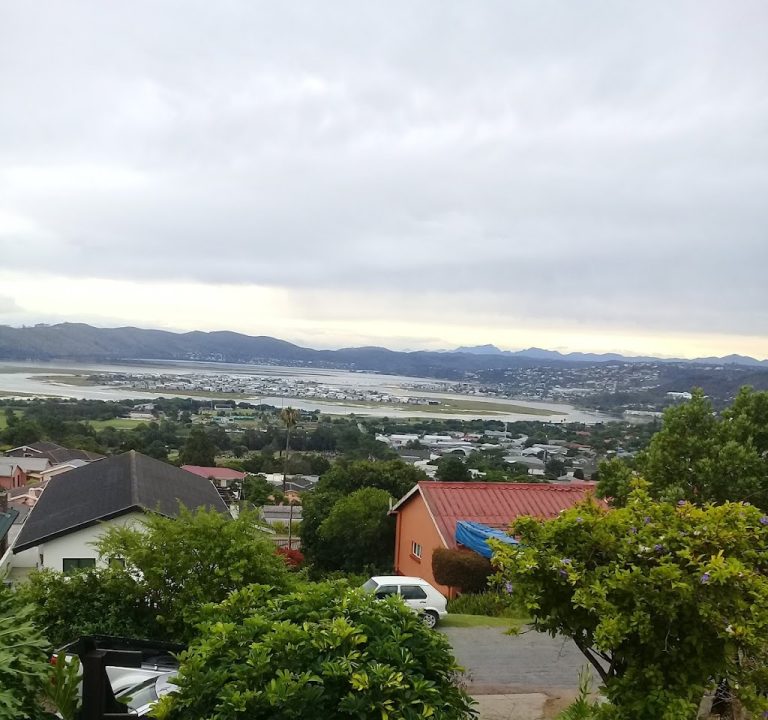
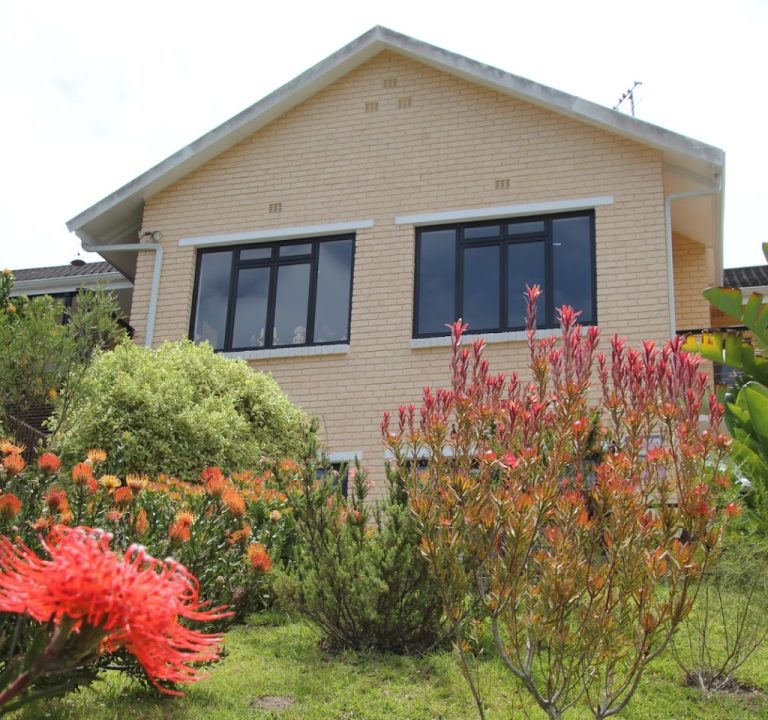
Knysna sits on the edge of a shimmering estuary and surrounded by ancient forests, making it a popular hub for travellers seeking both relaxation and outdoor adventures. When planning a stay, think about which neighbourhood best suits your pace and interests: the waterfront area offers easy access to the harbour mood and gentle strolls, while the outskirts near the forest or beaches provide a quieter backdrop and more space for families or groups staying in self-catering lodges and cottages. Self-catering options, such as Sunset Cottage, are a convenient choice for guests who want the freedom to set their own schedule and prepare meals with local produce.
Accommodation styles in Knysna range from boutique guesthouses to self-catering apartments and larger lodges. In the town centre, you’ll often find compact rooms with essential amenities and a short walk to cafés, markets, and the waterfront. On Leisure Isle or along the coast, beachfront and sea-facing stays tend to offer outdoor spaces, braai facilities and parking. For those chasing a forested ambience, the rural lanes of the surrounding areas provide rustic-cosy cottages with more expansive gardens and opportunities for day trips to nearby nature reserves.
What to look for when booking:
- Proximity to your planned activities: lagoons and boat trips are easier to organise if your base is close to the waterfront, while forest walks may be more efficient from a gap near the Rheenendal or surrounding hillside lanes.
- Seasonality and weather: Knysna enjoys a mild climate, but coastal winds and seasonal showers can influence outdoor plans. If you’re visiting in spring or summer, you may prefer a place with easy indoor options for late-afternoon showers or breezy verandas for sunset watching. In cooler months, ensure heating or a cosy fireplace is available for evenings.
- Amenities that suit your style: self-catering travellers often value a well-equipped kitchen, a reliable Wi‑Fi connection, ample parking, and outdoor spaces for barbecues or sunlit mornings. For shorter stays, on-site facilities such as a swimming pool or organised activities can be a plus.
- Access to transport: a car is the most convenient way to explore the region, given the spread of attractions and viewpoints. If you aren’t driving, check whether the property can arrange transfers or has reliable access to local shuttle services.
- Booking flexibility and policies: read cancellation terms, check-in instructions, and whether minimum-stay requirements apply during peak seasons or holidays.
Typical amenities you might encounter include well-equipped kitchens or kitchenette areas, private or shared living spaces, free Wi‑Fi, air conditioning or heating for seasonal comfort, secure parking, and outdoor areas with seating or barbecue facilities. Many properties offer insights from hosts on local trails, viewpoints, and easy day trips. It’s worth confirming access to efficient cleaning schedules, fresh linens, and laundry facilities if you’re staying for several days.
Transport and getting around: Knysna can be explored at a relaxed pace by car, which gives you flexibility to visit forest trails, viewpoints, and nearby eateries. If you arrive by air, consider ground transfers from George or Plettenberg Bay airports, then rent a vehicle for the duration of your stay. Local taxis and shuttle services are available, but having your own transport often makes it easier to reach off-centre attractions and rural routes, especially in peak season when traffic can be busier.
Best time to visit: Knysna’s climate encourages year-round stays, but the rhythm changes with the seasons. The summer months (generally December to February) are popular for boating, lagoon activities and coastal strolls, while autumn offers milder days and great light for photography of the Knysna River and surrounding forests. Winter brings a crisp stillness and is well-suited to forest walks and cosy evenings indoors. If you’re chasing calmer seas and slightly cooler temperatures, consider shoulder seasons for lower occupancy and more flexible itineraries.
Attractions and experiences generally available to visitors include outdoor adventures, nature walks, and scenic viewpoints that overlook the lagoon and surrounding hills. You’ll likely encounter opportunities for boat trips or short cruises, forest canopy experiences, and days spent exploring the nearby nature reserves. In town, a stroll along the waterfront often reveals local markets and casual eateries offering seasonal fare and fresh ingredients. For those seeking a relaxed dining scene, look for places that emphasise simple, well-prepared meals with seafood, locally grown produce, and regional flavours. Remember that menus and hours can vary with the season, so a quick check or a friendly enquiry upon arrival helps tailor plans to the day’s conditions.
Practical tips for a smooth stay in Knysna:
- Book a base with a practical layout for your party, especially if you’re travelling with children or a group, and confirm parking arrangements if you’ll have a vehicle.
- Pack layers to adapt to fluctuating coastal weather, plus a light rain jacket for sudden showers
- Bring or arrange supplies for self-catering stays, including basic spices and pantry items, while enjoying local markets for fresh seafood and produce
- Plan day trips to surrounding highlights early in your trip to reserve times and avoid peak-season crowds
- Respect local rules and natural areas—stick to marked paths, carry out litter, and keep noise to a considerate level in quiet neighbourhoods
In short, Knysna offers a spectrum of stays that suit different styles and itineraries, whether you prioritise a tranquil forest backdrop, a sunny lagoon view, or convenient access to the town’s waterfront hub. With thoughtful planning around location, amenities and seasonal weather, your Knysna visit can be comfortably paced, authentically local, and perfectly aligned with your travel favourites.