Discover Knysna: Where to Stay, What to Do, and How to Plan Your Visit
Knysna, perched on the edge of the Garden Route in the Western Cape, blends coastal charm with forested hills and a laid‑back harbour culture. Whether you favour a cosy bed and breakfast, a stylish boutique hotel, or a waterfront lodge, the town offers a diverse range of accommodation to suit every pace of travel. Planning a stay around the town’s distinct neighbourhoods—from the river’s edge to the sun‑drenched harbour and the forest hinterland—helps you make the most of your time in this captivating corner of South Africa.
When choosing where to stay, consider proximity to the main sights and the rhythm you want from your visit. A harbour‑side or town‑centre base is ideal for easy access to restaurants, markets and the waterfront while a forest or hill‑side guesthouse can provide quiet mornings and spectacular views. A few factors to weigh include parking availability, whether the property offers self‑catering facilities, and the level of service you expect, such as daily housekeeping or personalised recommendations from hosts.
Accommodation options in Knysna often cluster into a few recognisable styles. A traditional bed and breakfast tends to prioritise warm hospitality, generous breakfasts, and intimate guest spaces. Boutique hotels may offer more design focus, with chic rooms, a small wellness area, or a curated dining experience. Guesthouses and lodges near the Knysna Heads or along the lagoon can provide sweeping views and easy access to outdoor activities. For families or groups, self‑catering cottages or serviced apartments present practical flexibility, while eco‑friendly properties may emphasise conservation and sustainable practices.
Typical amenities you might encounter include en‑suite bathrooms, Wi‑Fi, secure parking, and in‑room tea and coffee facilities. Some properties go further with features such as swimming pools, outdoor decks, and concierge services to arrange activities. If access to nature is high on your list, look for hostels, guesthouses, or lodges that offer guided walks, birdwatching tips, or partnerships with local providers for boat trips, kayaking, or forest hikes. Always check whether the property includes breakfast or if there are communal kitchens or dining areas for flexibility, especially if you are planning long day trips or early starts.
Transport in Knysna is straightforward but benefits from a little planning. The town is walkable in the centre, with the lagoon and waterfront a pleasant stroll away from many stays. If you plan day trips along the Garden Route or to neighbouring towns, a car is convenient. Public transport is limited compared with bigger cities, so arranging transfers or car hire ahead of time can save you queues. For those staying near the water, some guesthouses offer shuttle services or bicycles for local exploration, which can be a nice blend of convenience and activity.
The best time to visit Knysna depends on what you seek. The summer months (December to February) bring warm temperatures and excellent conditions for water‑based activities, though peak tourism can mean busier boat trips and markets. Autumn (March to May) offers milder weather and quieter streets, a lovely period for forest walks and scenic viewpoints. Winter (June to August) is cooler and often drier on the coast, with occasional mist over the hills—great for cosy evenings inside a snug guesthouse. Spring (September to November) brings blooming fynbos and longer daylight hours, ideal for outdoor adventures and photography. If you are after the famous Knysna Oyster Festival atmosphere, plan ahead, but be aware it will attract larger crowds and higher prices around event periods.
To plan a well‑rounded stay, think about pairing accommodation with local experiences. Fronting the lagoon or nestled near the forest, many properties can help you arrange boat trips to see the shoreline, guided forests walks, or visits to nearby reserves. Dining in Knysna ranges from informal seafood shacks to refined bistros and family‑run eateries offering game and local produce. While specific restaurant names and prices can vary, you can expect a focus on seafood, heirloom vegetables, and locally sourced ingredients, often with Cape flavours and seasonal menus. In addition, markets and cafés offer opportunities to sample regionally produced cheeses, preserves, and artisanal breads, making self‑catering days enjoyable if you choose a property with kitchen facilities.
For a practical planning checklist, consider the following:
- Choose a base with easy access to the activities you want, whether that means a lagoon vantage point, a forest setting, or a central location near the harbour.
- Check what is included in the rate (breakfast, parking, housekeeping) and whether you will need to budget for additional meals or transfers.
- Ask about cancellation policies and flexibility, especially if your plans depend on weather or events.
- Inquire about opportunities to arrange guided trips or experiences through the accommodation or nearby operators.
- Look for recent guest reviews that mention quiet hours, cleanliness, and the quality of host recommendations.
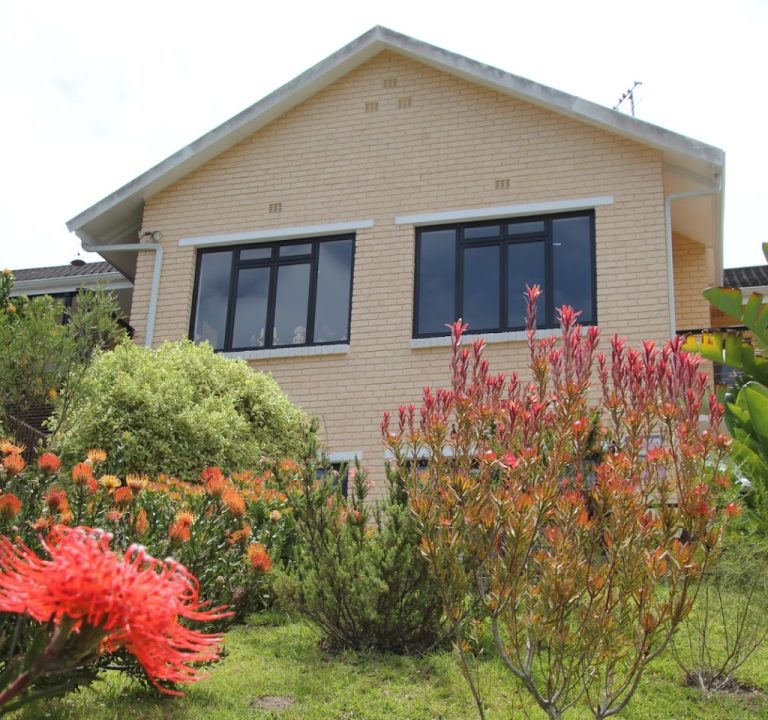
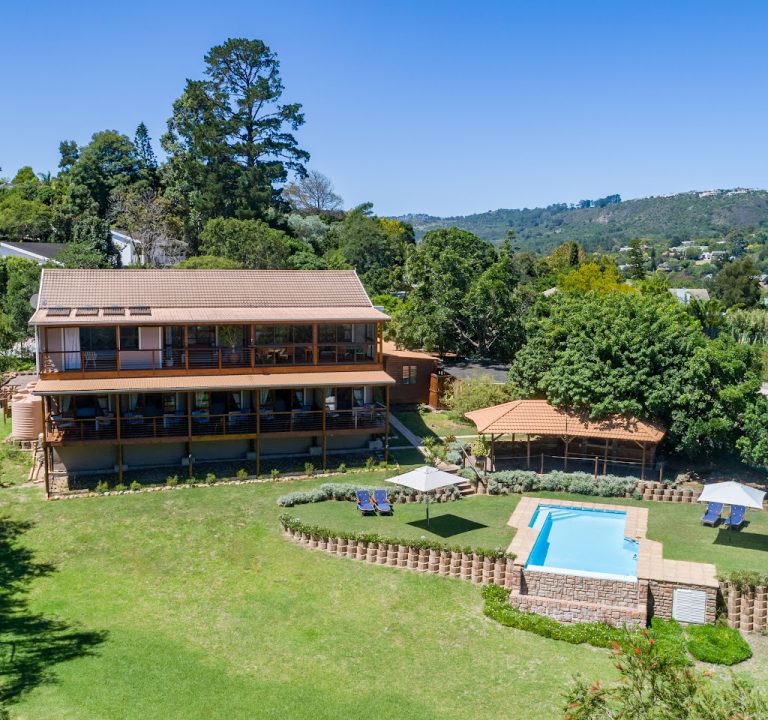
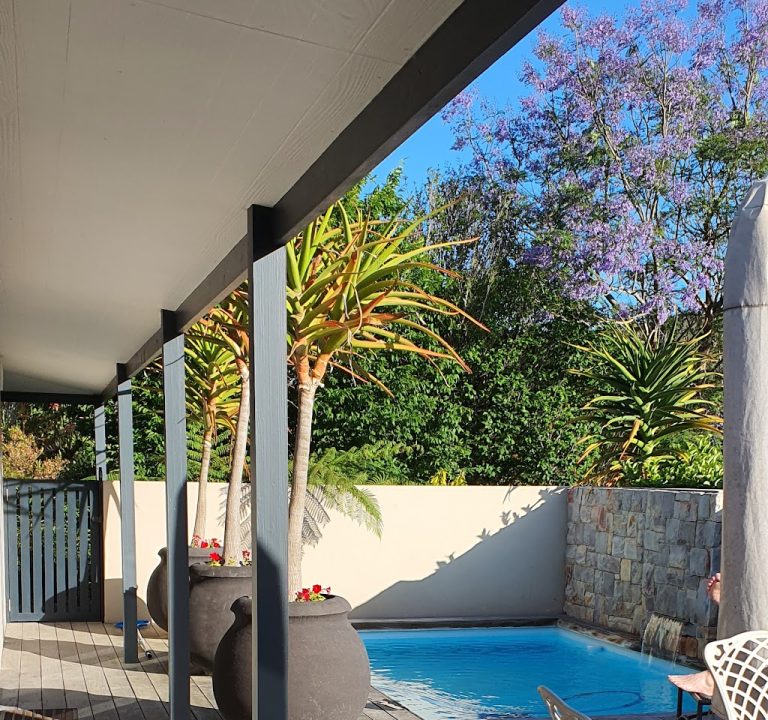
A recommended example of accommodation with a distinctive character is Armadillo Studios Guesthouse, a bed and breakfast option that emphasises comfort and a personalised welcome. Their website offers details on rooms, facilities, and nearby activities, including guidance on how to plan a stay that allows you to enjoy the lagoon, forests, and local cuisine. Visit their site at https://www.armadillostudios.co.za/ to find more information and booking details.
Knysna is a place where natural beauty meets relaxed hospitality. By selecting the right area, understanding what to look for in a property, and balancing time between outdoor adventures and easy evenings, you can create a memorable stay that feels both restorative and energising. With thoughtful planning, your Knysna visit can weave together peaceful mornings, scenic day trips, and delicious experiences around this iconic part of the Western Cape.