Knysna: Where to stay, what to see, and how to plan a memorable visit
Knysna sits on the edge of a sweeping estuary in the Western Cape, a town that blends natural splendour with a friendly, relaxed atmosphere. When planning a stay, consider the different neighbourhoods and what they offer: coastal views and waterfront walks, forested hills and tranquil village streets, or easy access to the lagoon for water-based adventures. Choosing the right base can shape your entire experience, from early morning powers of exploration to sunset dining by the harbour.
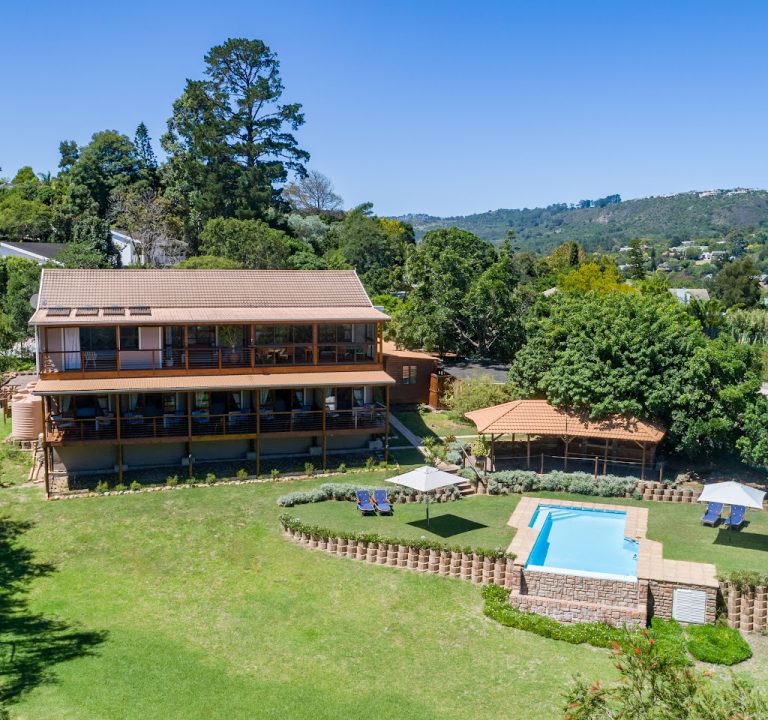
Accommodation options in Knysna range from boutique guesthouses and cosy bed-and-breakfasts to self-contained cottages and upscale hotels. A popular choice for many travellers is a guesthouse set within a couple of kilometres of the lagoon, offering personalised service, local tips, and easy access to both nature and town amenities. For those seeking more privacy or a longer stay, self-catering units near the town centre or along the fringe of the forest provide flexibility for families and groups. If you prefer a modern, hotel-style stay, there are properties that combine contemporary design with easy reach to both the waterfront and Knysna’s forested slopes.
Typical amenities to look for when booking include complimentary breakfast or access to a kitchenette, secure parking, reliable Wi-Fi, and thoughtful extras such as laundry facilities, pool or garden areas, and on-site referrals to local experiences. In Knysna, many establishments highlight comfort with a preference for warm, personal touches—think locally themed decor, dependable housekeeping, and friendly front-desk service that can help you tailor day trips. For families, ensure accommodation offers family rooms or extra beds, while couples may value quiet locations with cosy seating areas and private balconies.
When choosing a district, start with proximity to the lagoon and waterfront for easy strolls along the quay, then consider access to forest trails and the surrounding hills. The town centre provides a compact hub of cafés, eateries, and small shops, while quieter pockets on the outskirts can offer more tranquil breaks and memorable views. If you plan long day trips, a base within comfortable driving distance of main arterial routes makes mornings smoother and evenings more relaxed.
Transport considerations are straightforward in Knysna. A mixture of self-drive, taxis, and ride-hailing services is common, and many visitors find a car essential for reaching viewpoints, nature reserves, and rural eateries beyond the town centre. For those who prefer not to navigate on the day, some guesthouses offer shuttle services or can arrange guided tours to popular natural attractions, wildlife experiences, and coastal routes. If you’re flying in, the closest major air links connect you to regional hubs with road connections to Knysna; from there, a scenic coastal drive or a short inland route will bring you to your base in time to unwind by the lagoon.
The best time to visit Knysna is influenced by the seasons and what you plan to do. Spring (September to November) and autumn (March to May) offer mild weather, blooming flora, and fewer crowds than peak summer months. Summer brings warm days that are ideal for water activities on the lagoon and coastal beaches, though it can be busier with visitors. Winter in Knysna is cooler and can be misty, but it also brings a dramatic atmosphere and the likelihood of clear, crisp days. Pack layers, a light rain jacket, sun protection, and sturdy walking shoes to cover forest trails, coastal paths, and town promenades.
For activities, nature dominates the agenda. In the area around Knysna you can explore coastal viewpoints, take boat trips along the estuary, or venture into nearby nature reserves and forests for scenic hikes. The Knysna Heads viewpoint is a commonly recommended stop for panoramic ocean and harbour views, while forest walks offer quiet immersion among ancient trees and birdlife. Activities such as boat cruises or kayaking on the lagoon are popular, with providers offering guided experiences to suit beginners and more confident paddlers alike. For a broader sense of the region, consider day trips to nearby coastal towns or wine routes, where vineyards combine scenic drives with tastings and seasonal food experiences.
Dining in Knysna spans casual cafés, bustling harbour-side eateries, and refined restaurants that emphasise local produce and seafood. A number of venues place a strong focus on fresh, seasonal ingredients and sustainable sourcing, creating options for different budgets and occasions. If you’re staying in or near the town centre, you’ll find multiple outlets within easy walking distance of most accommodation, making relaxed evenings after a day of exploration simple and enjoyable. As you plan meals, consider booking ahead during peak periods, particularly in the warmer months or long weekends, to secure a table at popular spots.
When it comes to planning practical details, a short packing list can save days of delays: comfortable walking shoes, a lightweight rain layer, sun protection, a camera or phone for scenery, and a reusable water bottle for eco-friendly travel. If you’re booking through a guesthouse such as Ambiente Guest House Knysna (https://ambienteguesthouseknysna.co.za/), you can expect a personalised approach to arranging airport transfers, tours, and recommendations tailored to your interests. Always confirm cancellation policies and any seasonal variations in breakfast or housekeeping schedules to avoid surprises.
To summarise, Knysna offers a welcoming mix of accommodation styles, each with its own character and proximity to the lagoon, forest surroundings, and the town’s relaxed dining scene. With thoughtful planning—considering area, amenities, transport, and timing—you can craft a balanced itinerary that blends restful downtime with memorable day trips, ensuring a well-rounded and satisfying Knysna stay.