Johannesburg accommodation and how to plan a visit: where to stay, what to do and where to eat
Johannesburg, a vibrant gateway to South Africa’s Gauteng province, offers a wide range of places to stay that suit travellers from city breakers to longer-stay visitors. In choosing accommodation, think about what you want from your base: a central spot with easy access to sights, a stylish neighbourhood with great dining and nightlife, or a quieter self-catering option that feels like a home away from home. The city’s diversity means there are options that prioritise convenience, culture, and budget without compromising comfort.
Areas to consider
- Sandton: Known for its business districts and modern developments, this area is ideal if you want high-end shopping, international dining and quick access to the Gautrain into central Johannesburg or Pretoria. It can be busy, but many properties offer superb facilities.
- Rosebank and Melrose Arch: Great for boutique hotels, trendy eateries and easy access to hop-on transport options. These neighbourhoods balance nightlife and quieter streets good for evening strolls.
- Braamfontein and Maboneng: For a more artsy, hip-and-happening vibe. Expect stylish guesthouses, lofts and self-catering suites close to galleries, markets and live music venues.
- Newtown and the CBD: Budget-friendly stays with proximity to museums, theatres and historical sites. If you are exploring on foot, central locations minimise travel time.
- Hillbrow to Parkview and Greenside (for family-friendly stays): Mix of guesthouses and self-catering options near parks, casual cafés and easy transport routes.
What to look for when booking
- Safety and access: Review local guidance on safe neighbourhoods and check how properties manage access control and guest safety.
- Amenities: Self-catering kitchens, laundry facilities, free Wi-Fi, secure parking or easy taxi access, and 24-hour reception if you need late check-in.
- Transport links: Proximity to Gautrain stations or main bus routes can save time. Ask about recommended routes for getting into the city centre or to parks and museums.
- Room configuration: For longer stays, a separate living area or sunlit kitchen can make a big difference. Confirm heating or air conditioning, as Johannesburg can have sizeable temperature shifts between day and night.
- Policy on guests and cancellations: Flexible options are useful if your plans change, especially in peak travel periods.
Typical amenities you may encounter
- Self-catering facilities: Fully equipped kitchens or kitchenettes with basics to prepare meals.
- Wi-Fi and workspace: A reliable connection and a comfortable area to work or plan day trips.
- Comfort items: Quality bedding, a selection of towels, and options for laundry or cleaning services.
- Security: Gated entry, monitored access, and well-lit surroundings.
- Neighbourhood tips: Guest-hosts or managers who offer local advice on markets, parks, and day trips.
Self-catering focus: the example of a suite on ridge
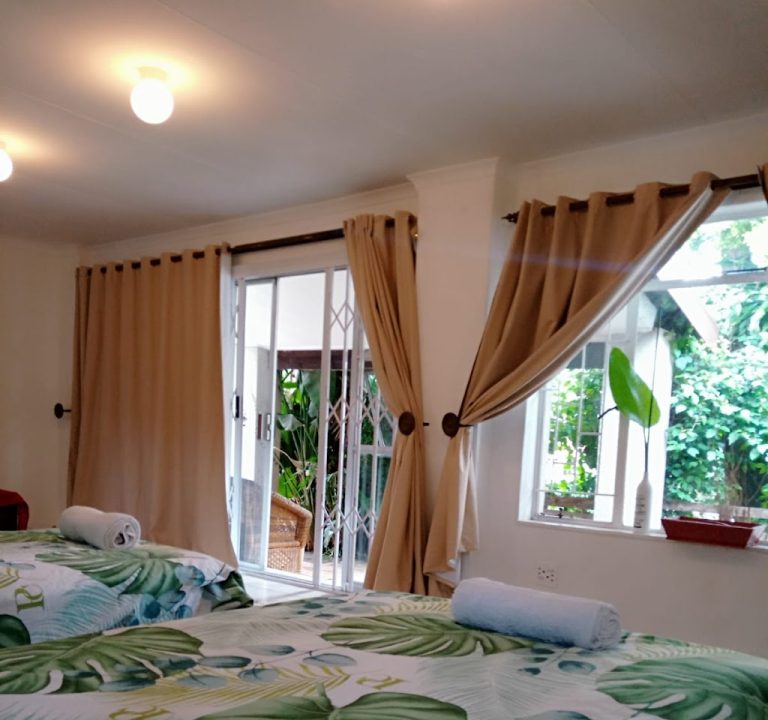
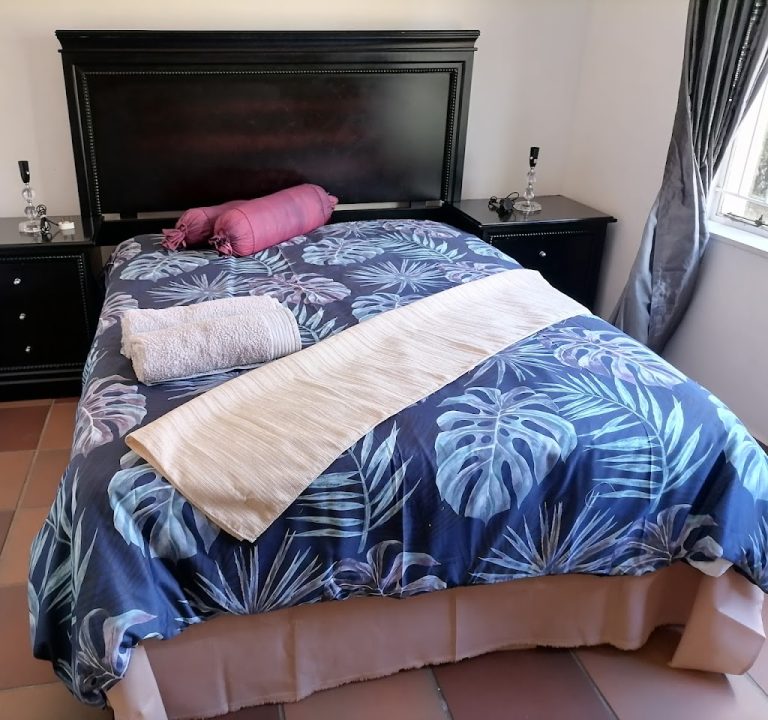
For travellers who prefer independence, self-catering options such as a suite on ridge can be especially appealing. Such stays usually provide a private living space with a kitchen or kitchenette, a comfortable bedroom area, and en-suite or nearby bathroom facilities. When booking this style, consider how much you value a dedicated dining area, the availability of fresh supermarkets or corner shops nearby, and whether you’ll rely on public transport or hire a vehicle for daily excursions. Clear communication with the host about check-in times, housekeeping schedules, and waste management will help you settle in quickly and make the most of your stay.
Transport and getting around
Johannesburg is a city of contrasts, where a mix of rail, road, and ride-hailing services can cover most needs. The Gautrain is a fast, reliable option linking the city with Pretoria and the OR Tambo International Airport area, while road networks connect you to suburbs and business districts. In central areas, many visitors find walking distances reasonable for daytime explorations, with taxis or ride-hailing apps convenient for evenings or late returns. If you plan to venture into the northern suburbs or township areas for guided experiences, consider a day tour or pre-arranged transport through your accommodation or a reputable operator.
Best time to visit and practical tips
Johannesburg sits at a high altitude and enjoys a temperate climate, but afternoons can be warm in summer, with cooler evenings in winter. The dry season—typically winter months—often offers more reliable outdoor conditions for sightseeing and outdoor markets. If you’re visiting the city for its museums, galleries, markets, and public spaces, plan for several hours per site and leave room for coffee breaks or a meal in a lively neighbourhood. Practical tips include packing layers, comfortable walking shoes, a light rain jacket during spring showers, and a secure bag for city strolls. Stay aware of your surroundings, particularly in dense urban areas after dark, and use reputable transport options or pre-arranged tours for further excursions.
What to do: attractions and dining in general terms
Johannesburg offers a mix of cultural institutions, historic precincts, and modern urban amenities. You can expect galleries and theatres, public art, and lively markets that showcase South African design and cuisine. The dining scene ranges from modern bistros and casual eateries to vibrant street-food culture, with many venues offering cosmopolitan menus inspired by local influences. For a broader sense of the city, consider aiming for a day that combines a museum or gallery visit, a walk in a park or garden, and a meal at a local restaurant or café in a central neighbourhood. Although specific venues and prices can vary, planning a day around accessibility, transport links, and neighbourhood character generally yields a rewarding experience.
Useful sources for planning
To help refine your plans, consult official tourism resources and travel guides for Johannesburg and Gauteng. Local tourism boards and national guides can provide up-to-date information on transport options, seasonal events, and neighbourhood highlights. Online resources from South Africa’s larger tourism portals offer practical tips and insight into the city’s layout, safety considerations, and day-trip possibilities. For broader context on the region, you may find introductory materials on the South Africa Tourism site and Gauteng provincial resources helpful. These references can help you tailor an itinerary that fits your pace and interests.
Links for planning and inspiration: South Africa Tourism, Gauteng Tourism, City of Johannesburg official site.