Accommodation and Experiences in St Lucia, KwaZulu-Natal
St Lucia in KwaZulu‑Natal offers a relaxed blend of coastal charm, wildlife encounters and easy access to one of South Africa’s premier protected areas. When planning a stay, you will find a range of accommodation options set within or around the small harbour town and the surrounding wetlands. From intimate guesthouses and characterful lodges to self‑catering cottages and boutique hotels, you can tailor your choice to suit pace, privacy and your budget while staying close to the region’s nature and dining scenes.
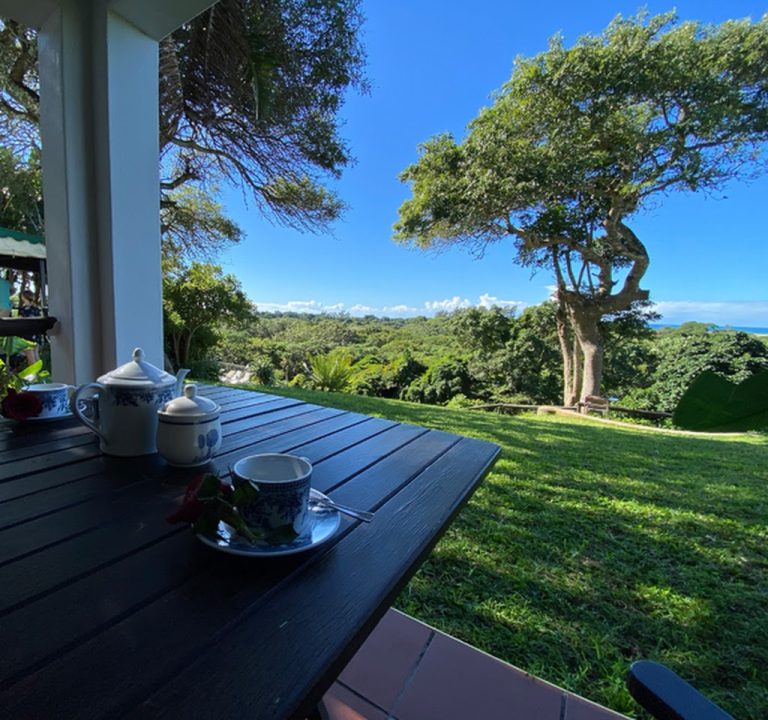
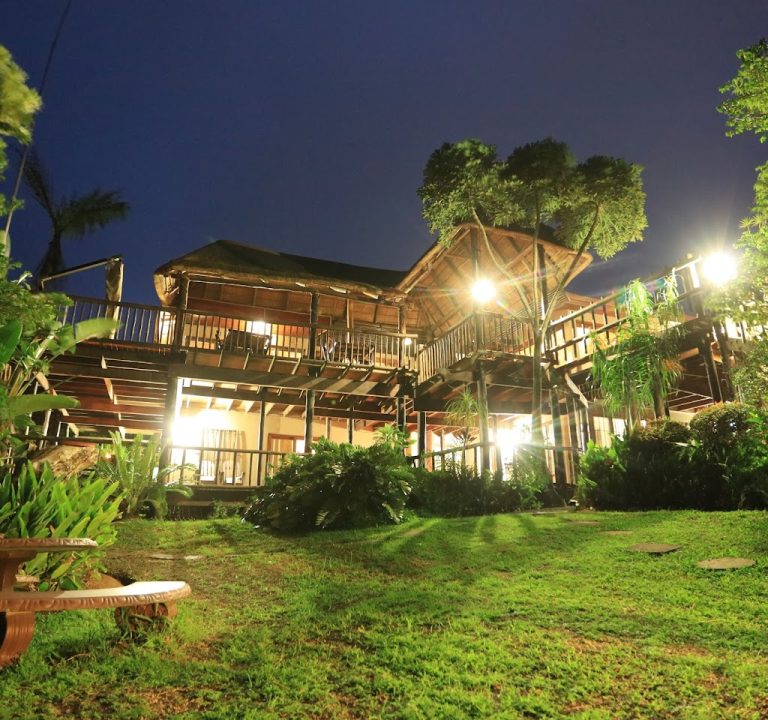
Areas to consider include the centre of St Lucia town, which provides convenient access to township eateries, shops and boat experiences on the estuary. South and north of the town there are quieter, nature-forward lodges and guesthouses that offer a more secluded base, often with generous verandas, private decks and pools. If you are seeking direct access to iSimangaliso Wetland Park’s coastal zones, look for properties with easy access to the park’s gates or staffed concierge services that can arrange guided activities. For those who prefer self‑contained comfort, several self‑ catering cottages and apartments provide kitchen facilities and open-plan living spaces a short stroll from the water’s edge.
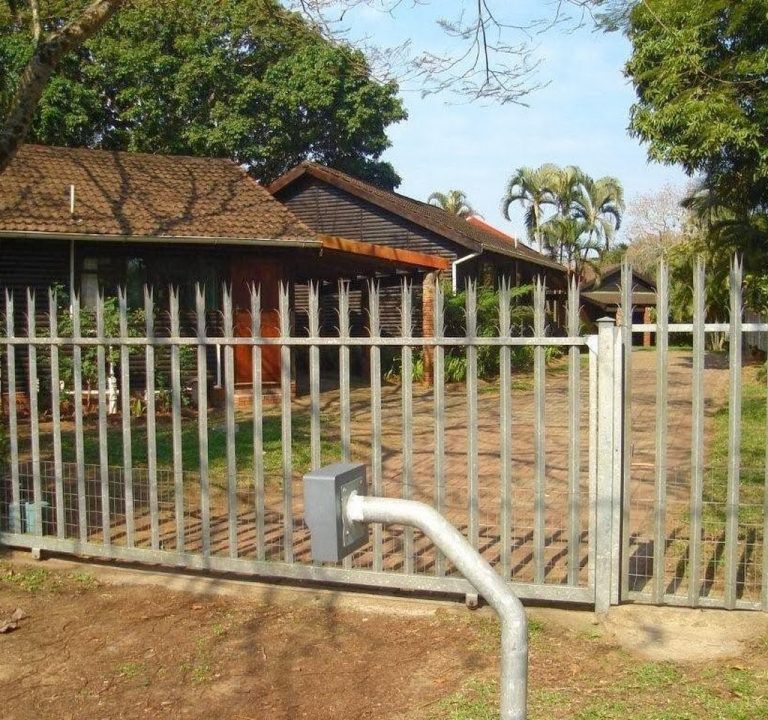
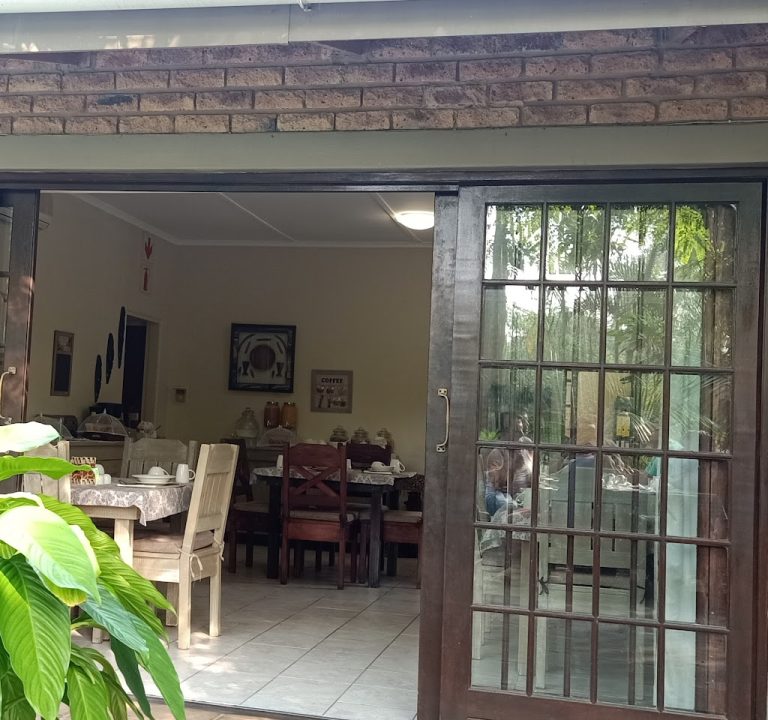
Typical amenities to look for include secure parking, daily housekeeping options, flexible breakfast arrangements, reliable Wi‑Fi, and the possibility of arranging guided tours or wildlife safaris. Some lodges offer private plunge pools or outdoor lounges that catch the breeze from the estuary, while guesthouses may provide communal lounges, communal kitchens, and friendly, local staff who can offer insights into hidden spots and seasonal wildlife activity. If you enjoy meals in the evenings, check whether on‑site dining is available or if the property can recommend trusted local restaurants and markets.
Transport is straightforward but planning ahead pays off. A car is the most convenient way to explore the area at your own pace, particularly if you plan to visit attractions outside the centre, such as the broader iSimangaliso World Heritage landscape. If you prefer not to drive, many properties can organise airport transfers, guided wildlife drives or boat excursions on the estuary. Inland routes are good, but be mindful of occasional tropical rains that can affect road conditions in the wet season.
Best time to visit St Lucia depends on what you want to experience. The cooler, drier months from May to September are popular for wildlife viewing and comfortable daytime temperatures, though mornings can be chilly. The warmer, wetter months from October to March bring greater humidity and a lively coastal atmosphere; this period also coincides with turtle nesting seasons on nearby beaches and more active marine life along the estuary. Whale watching is often best in the mid‑year from June to November when humpback whales migrate along the coast. Always check local seasonal guidance and marine advisories to plan outdoor activities like boat tours or estuary cruises.
Visitors should know that the estuary is at the heart of much activity in St Lucia. Boat trips and guided safaris can offer close encounters with hippos, crocodiles and a variety of birdlife, while the broader iSimangaliso Wetland Park provides hiking trails, canoe trails, and scenic drives that showcase diverse habitats from wetlands to coastal dunes. For many guests, a balance of wildlife‑watching days with lighter, town‑based relaxation works well. You can pace your itinerary with a mix of early morning drives, leisurely afternoon walks along the waterfront, and evenings spent sampling local flavours at nearby eateries.
Practical tips to help you prepare for a smooth stay:
- Book accommodation with advance notice during peak seasons or school holidays to secure your preferred area and room type.
- Confirm the availability of guided activities in advance, especially boat trips and nature safaris, and ask about family‑friendly options if needed.
- Evaluate whether you prefer self‑catering facilities or full‑service options that include breakfast or dinner.
- Consider proximity to the estuary and park gates to minimise transfer times when planning early‑morning activities.
- Pack lightweight clothing, a light rain jacket for the wet season, sun protection, and sturdy footwear for walks in coastal and park areas.
When planning dining, you’ll find a mix of casual waterfront cafés, seafood shacks and more formal eateries within easy reach of the main town. Many places emphasise fresh, local ingredients and a relaxed, friendly atmosphere. If you want a taste of the region beyond St Lucia town, your host or lodge manager can point you to dependable local favourites or arrange guided dining experiences that showcase KwaZulu‑Natal flavours. Helpful resources and ideas for planning your stay can be found through regional tourism sites and the official park pages, which offer practical details, suggested itineraries and travel tips. For further information, you can explore reputable travel sites and regional guides to tailor a stay that suits your pace, interests and comfort level.