Accommodation and Experiences in St Lucia, KwaZulu-Natal: A Practical Guide for Savvy Travellers
Nestled beside the iSimangaliso Wetland Park, St Lucia in KwaZulu-Natal offers a compact, traveller-friendly base for exploring one of South Africa’s most extraordinary coastal ecosystems. The village atmosphere combines laid‑back charm with easy access to nature reserves, wildlife experiences and a surprisingly good choice of eateries and practical services. When planning a stay, it helps to think about where you want to base yourself, what you value in a room, and how you will move around to make the most of each day.
Areas to consider include the riverside and village core, where most guesthouses, boutique hotels and self‑catering options cluster. The waterfront and lodge corridors near the estuary can provide excellent wildlife vantage points, while convenient access to the main roads makes day trips to surrounding reserves straightforward. If you are visiting during peak wildlife seasons, choosing a property with early‑morning accessibility or on‑site wildlife guidance can add real value to your agenda.
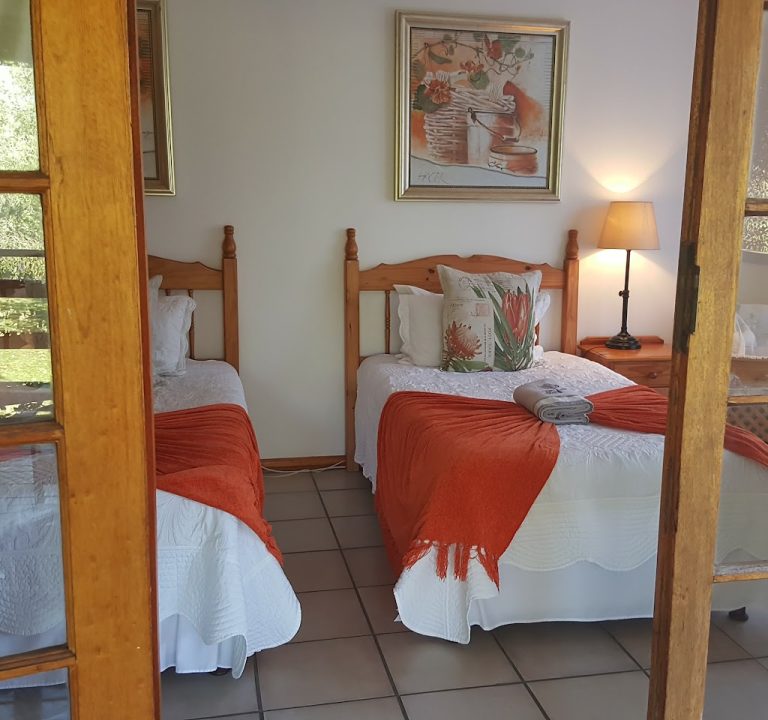
Booking decisions often hinge on a few dependable features. Look for en suite bathrooms, reliable hot water, and clean, well‑maintained rooms. Many properties in St Lucia offer shaded verandahs, shared kitchens or guest lounges, and some provide guided ecotours as part of a package. For families, rooms with flexible bedding configurations and outdoor spaces can be a bonus. Quiet locations away from main traffic routes help with restful nights, while walkable access to village amenities makes evenings more relaxed.
Common amenities you may encounter include air‑conditioning or ceiling fans for Durban‑coast heat, mosquito nets for the quieter hours, and secure on‑site parking. Free or paid wifi varies by property, so if staying connected is important, check the coverage and any bandwidth limits. Breakfast options range from continental spreads to full cooked meals, sometimes with emphasis on locally sourced produce. If you plan longer stays or are travelling with a group, self‑catering facilities and laundry services are a practical advantage.
Transport in St Lucia is typically straightforward but does benefit from a little planning. If you arrive by road, staying within easy reach of the town centre can cut down on transfer time. Some guests rely on rental cars to explore the wider region, while others take guided day trips that depart from town. For longer journeys or wildlife excursions that begin early, choosing a property that can arrange reliable transfers or early‑morning pickups helps to keep plans on track. Local taxis and rideshare options may be available, but their service range can be more limited outside peak times or peak tourist seasons.
The best time to visit St Lucia hinges on the wildlife you wish to witness and the climate you prefer. The coastal region enjoys warm summers with showers that can be brief, and mild winters with cooler evenings. Late spring and early autumn are often rewarding periods for birdwatching, while dry seasons can bring excellent visibility for marine and land‑based encounters. If your itinerary centres on boat trips, boat safaris or close‑up encounters with large mammals, coordinating with your accommodation to align bookings with seasonal opportunities is wise.
When planning activities, consider a balanced agenda that blends nature experiences with downtime. A typical stay might combine a morning bush or water‑based excursion, a relaxed lunch by the estuary, and an afternoon exploring walking trails or a local community project. The region is known for its natural beauty and conservation ethos, so many tours emphasise responsible wildlife viewing and sustainable practices. If you enjoy starlit skies, some properties offer quiet garden spaces or rooftop vantage points to end the day with a peaceful moment outdoors.
Practical tips to help you optimise your stay:
- Book accommodation with clear accessibility and flexibility, especially around wildlife‑watching excursions or boat trips that operate on weather conditions.
- Ask about guided ecotours or partnerships with local rangers to gain insightful, trustworthy wildlife insights.
- Check for on‑site dining options and the proximity of evening meals if you prefer not to travel for every meal.
- Bring layers for cooler evenings and a light rain jacket for unexpected showers, even in drier seasons.
- Carry a small daypack for early ferry or boat departures, with essentials like sunscreen, water, and insect repellent.
For a well‑rounded stay, connect with local accommodation providers who offer more than just a room. Many guesthouses and lodges in St Lucia pair comfortable lodging with ecotours or environmental education experiences, providing guests with meaningful ways to engage with the landscape while supporting conservation efforts. An example of the kind of adaptable base you might encounter is St Lucia’s family‑run guesthouse and ecotour operator, which combines comfortable accommodation with guided ecotours and practical planning support. You can learn more about options and packages on their website at St Lucia EcoLodge Guesthouse & Ecotours.
In summary, St Lucia offers a relaxed but well‑equipped setting for travellers seeking natural beauty, wildlife encounters and straightforward access to KwaZulu‑Natal’s coastal ecology. By choosing a comfortable base in a convenient area, planning transport and activities in advance, and taking advantage of local guided experiences, visitors can craft an enjoyable, responsible and memorable stay in this distinctive part of South Africa.