St Lucia, KwaZulu-Natal: where nature, culture and warm hospitality meet in a stay‑easy destination
St Lucia in KwaZulu-Natal offers a compelling mix of ecological wonders, coastal relaxation and authentic South African hospitality. When planning a stay, consider how you want to balance wildlife adventures, beach time, and relaxed evenings. The town acts as a practical base for exploring iSimangaliso Wetland Park, a UNESCO World Heritage site, and nearby beaches, estuaries and wildlife encounters. Accommodation ranges from self-catering lodges to guesthouses and boutique hotels, each with its own character and advantages for different types of travellers.
Areas to consider include the centre of St Lucia for easy access to shops, eateries and boat tours, or quieter fringes such as lodges set along the estuary or within nature reserves. If you prioritise convenience, choose locations within walking distance of the village hub. If birdwatching and nature trails are your priority, a lodge or self-catering option nearer the wetlands can minimise daily transfers and immerse you in the landscape from dawn. For families, self-catering units provide space and flexibility, while couples may prefer boutique guesthouses with cosy communal spaces and local dining recommendations.
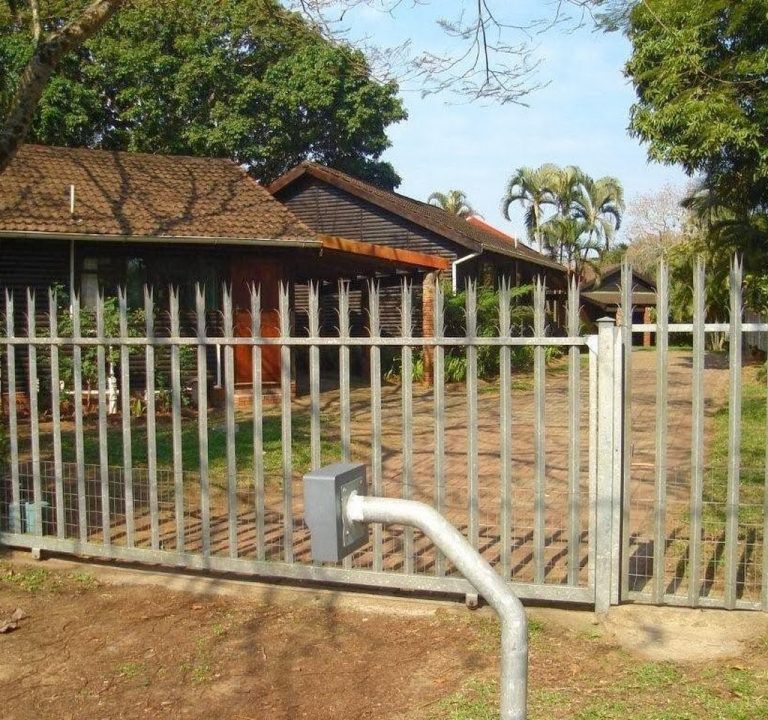
Self-catering and guesthouse options often come with practical features that suit travellers planning longer stays or variable itineraries. Look for units with fully equipped kitchens, outdoor braai facilities, secure parking, and reliable hot water for early starts before game drives. Properties near ecological hotspots may provide guided walks, sunset cruises, or easy access to river and estuary activities. Clear signage, well‑maintained boardwalks, and strong conservation messaging in the area are positive indicators of a responsible stay that complements the natural surroundings.
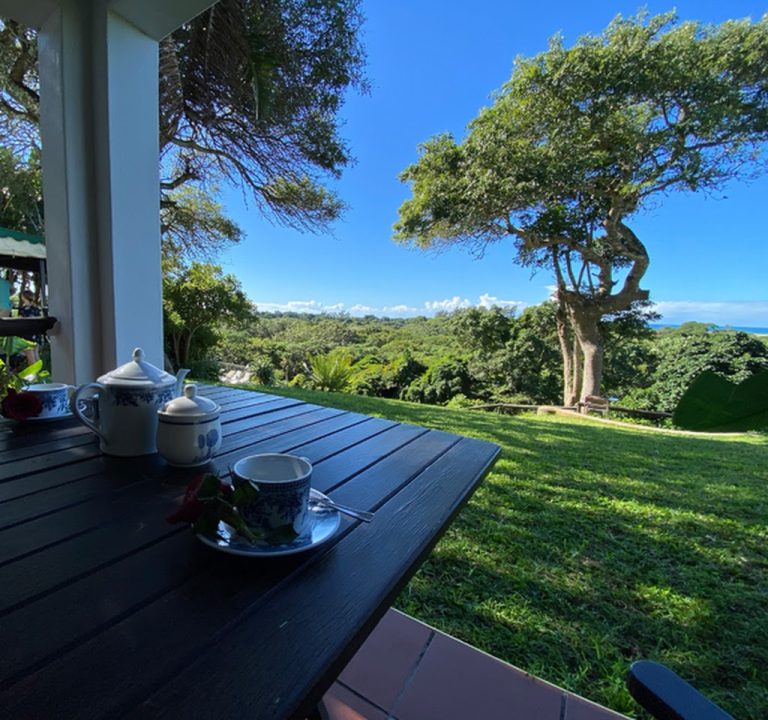
Key amenities to consider include air‑conditioning or fans for warm coastal evenings, wifi for planning day trips and sharing photos, and laundry facilities if you are on a multi‑day itinerary. In many St Lucia‑area lodges you’ll find access to communal lounges or verandas where you can wind down after a day outdoors. For families and groups, several self‑catering options offer multiple bedrooms or separate cottages, which can deliver better value and privacy than a single hotel room.
Transport is practical yet worth planning. The town is approachable on foot in the centre, but for wildlife safaris or estuary boat trips you’ll likely rely on a guided tour operator or rental car. Check whether your accommodation provides easy access to local transfer services or short guided excursions. If you intend to visit iSimangaliso Wetland Park, confirm where to meet guides or where to join a boat safari, and whether park entry fees or activity bookings are handled through your lodging or a third party.
The best time to visit St Lucia depends on your priorities. From the cooler, drier winter months to the warmer summer season, each period offers different wildlife displays and atmospheric conditions. Winter can be excellent for birdwatching and dry conditions for comfortable vehicle travel, while the wetter summer months bring lusher scenery and the potential for estuary boating adventures. Seasons may also influence water visibility for snorkelling and shore activities, so plan ahead based on what you most wish to experience during your stay.
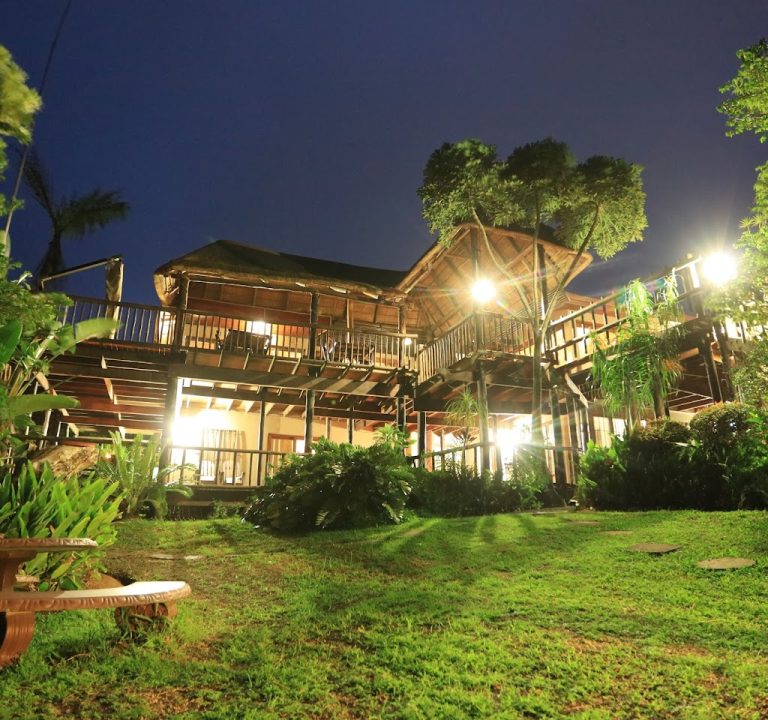
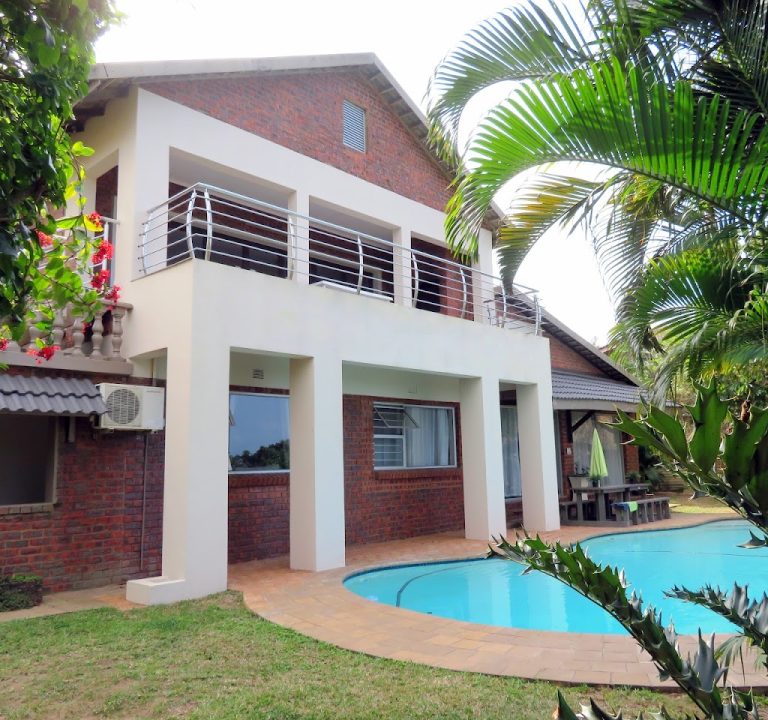
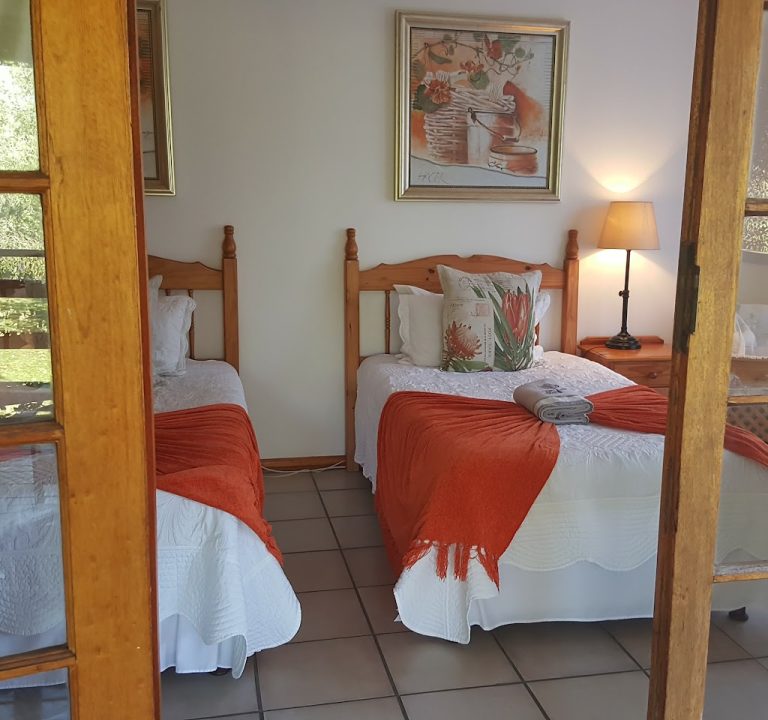
Accommodation options in St Lucia include well‑appointed self‑catering lodges and cabanas, guesthouses and boutique stays, and a handful of larger hotels. A notable example in the area is a self‑catering lodge and cabana complex that emphasises a relaxed, family‑friendly atmosphere and easy access to the estuary and parklands. Such properties typically offer private units with kitchen facilities, outdoor spaces, and shared amenities that suit both short breaks and longer stays. Always check the housekeeping schedule and whether on‑site staff can assist with activity bookings or restaurant recommendations.
When booking, consider the following practical tips:
- Read guest reviews with an eye on cleanliness, responsiveness of hosts, and the accuracy of listing descriptions.
- Clarify check‑in and check‑out processes, especially for self‑catering stays with flexible arrival times.
- Ask about guided excursions or recommended local operators for boat trips, swamp walks, or the park’s entrance procedures.
- Consider proximity to the village versus quieter stretches near the wetlands; balance convenience with a peaceful setting for downtime.
- Check for climate control, insect screens, and secure parking if you plan to explore at varied times of day.
- Look for sustainable practices, such as recycling, conservation‑minded tours, and responsible wildlife experiences in the area.
Attractions in and around St Lucia are designed to be enjoyed at a relaxed pace. Wildlife encounters on the estuary, boat safaris to glimpse hippos and crocodiles, and guided nature walks are common highlights. The town itself offers a range of dining options and casual eateries where you can sample local flavours and seafood dishes. For many visitors, evenings are about unwinding on a veranda or patio, swapping stories with fellow travellers, and mapping out the next day’s adventures against a starry coastal sky.
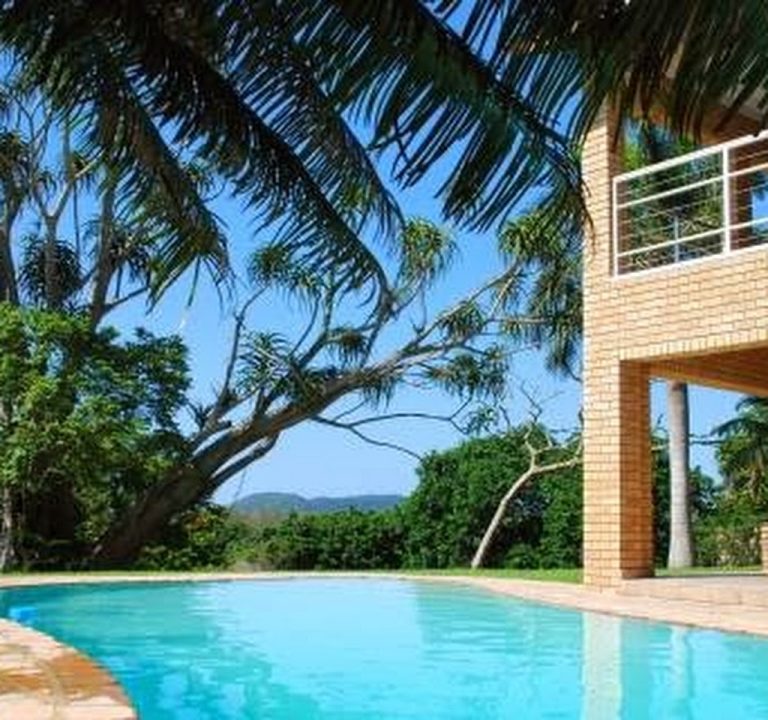
For those seeking curated stays and vivid experiences, choosing a property with a connection to the local environment can enhance your visit. One example of an accommodation that specialises in self‑catering and a comfortable base for exploring the region is Ndiza Lodge and Cabanas (http://www.ndizastlucia.co.za/). It showcases the appeal of self‑contained units in a setting that makes it easy to plan day trips, return for a swim, and prepare meals while feeling part of the surrounding landscape. Whether you choose a standalone lodge, a cluster of cabanas, or a boutique guesthouse, St Lucia offers a welcoming springboard to KwaZulu‑Natal’s remarkable natural and cultural riches.
In summary, plan a stay that balances comfortable accommodation with the adventures that draw you to this coastal‑inland blend. Prioritise location, practical amenities, and a willingness to engage with local guides and conservation‑mled activities. With careful planning, a visit to St Lucia becomes not just a holiday, but a respectful journey into one of South Africa’s most treasured natural corners.