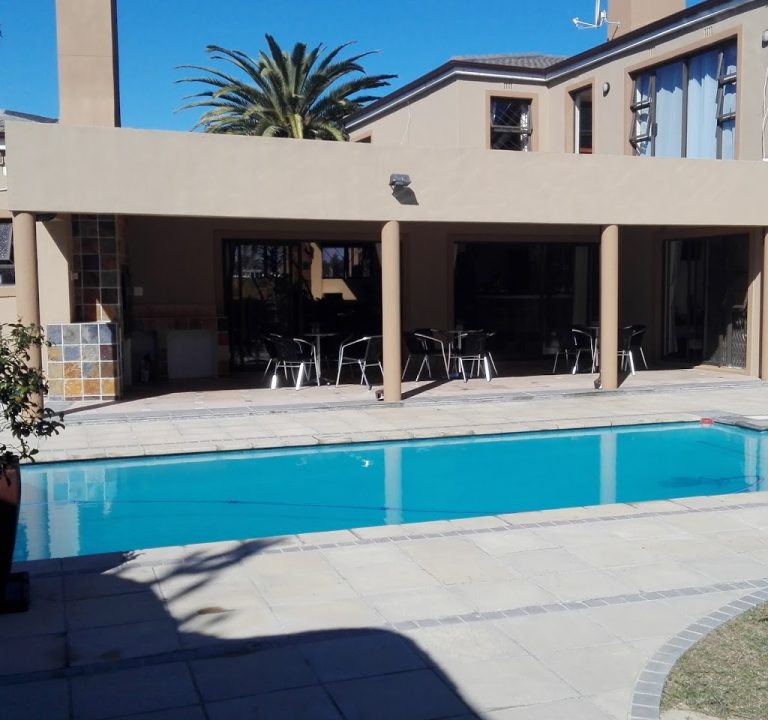
Accommodation and Experiences in Cape Town, Western Cape
Cape Town offers a diverse mix of places to stay, from boutique guest houses in the leafy northern suburbs to stylish apartments overlooking the Atlantic. When planning a trip, think about how you want to experience the city: easy access to beaches, proximity to the iconic sights of the City Bowl, or a quiet base from which to explore wine routes and nature trails. The following guidance can help you choose suitable accommodation, navigate transport, and make the most of a stay in this dynamic destination.
Areas to consider
Several neighbourhoods each bring a different flavour to a visit. The City Bowl places you near liberation history, markets, galleries, and a lively dining scene. Camps Bay and Clifton are famed for white-sand beaches and dramatic ocean sunsets, though some properties can be pricey in peak season. Green Point and the V&A Waterfront offer walkable access to attractions, restaurants, and a harbour atmosphere, with convenient transport links. For a quieter, family-friendly vibe, look to the northern suburbs such as Bothasig, Milnerton, or surrounding areas where guest houses and B&Bs can provide easier parking and mellow evenings after day trips.
Accommodation types and what to expect
From guest houses and B&Bs to boutique hotels and self-catering apartments, Cape Town accommodates a wide range of budgets and preferences. When booking, consider the following:
- Guest houses and B&Bs often include breakfast and offer a more personal, homely feel. Look for hosts who provide local tips, easy directions, and flexibility with check-in times.
- Self-catering apartments or suites can be excellent for families or travellers who prefer a kitchen and more space. Check what provisions are supplied (tea and coffee, basic condiments, laundry facilities).
- Typical amenities include free Wi-Fi, secure parking or easy public transport access, daily housekeeping, and air conditioning or fans for warmer months. If you’re visiting in winter, ask about heating and extra blankets.
- In peak seasons, securing accommodation with flexible cancellation and a clear house rules policy can save stress if plans change.
Transport and getting around
Cape Town has a mix of transport options. The MyCiTi bus service covers many popular routes, making short hops between hubs straightforward. Uber and other ride-hailing services are widely used and can be practical for evening outings or days when you have luggage or want to avoid parking concerns. If you plan day trips to winelands or coastal towns, some properties offer airport or shuttle arrangements, while car rental provides maximum independence for exploring on your own schedule. When staying in central areas, many attractions are walkable, but some beaches and viewpoints are best accessed by car or ride-share, especially if you’re travelling with children or heavy gear.
What to look for when booking
To choose a stay that matches your itinerary, consider these practical checks:
- Location relative to planned activities: distance to the Cape Town city centre, the waterfront, the beaches, and any day trips you have in mind.
- Security and access: well-lit entrances, secure parking if you drive, and a clear reception or house presence during your stay.
- Bed comfort and privacy: ask about mattress types, pillow selection, en-suite facilities, and whether the room has a kitchenette or shared facilities.
- Guest reviews and host responsiveness: recent guest feedback often highlights the true rhythm of a property and the helpfulness of hosts.
Best time to visit and practical tips
The climate in Cape Town is mild by coastal standards, with wet winters (June to August) and dry summers (November to February). The shoulder seasons of spring (September–November) and autumn (March–May) are particularly appealing for fewer crowds and pleasant weather. If you’re aiming for beach days and outdoor adventures, consider late spring or early autumn when seas are still inviting and conditions can be kinder for hiking and sightseeing.
Practical tips for a smooth stay:
- Book ahead for popular areas during school holidays and major events, and check cancellation policies in advance.
- Pack layers: mornings and evenings can be cool, even when daytime temperatures are comfortable.
- Be mindful of safety in busy districts and keep valuables secure; ask hosts about safe local routes and pockets of quiet streets after dark.
- Water safety and weather: if the forecast calls for windy days or sudden showers, plan indoor activities or flexible outdoor itineraries.
- Explore beyond the well-trodden path: a stay in suburbs such as Bothasig or surrounding towns can offer a different pace and genuine local flavour, complemented by easy access to main routes for day trips to the Cape Winelands, the Cape Peninsula, and nature reserves.
Planning an itinerary with accommodation at the centre of your trip can help maximise your time. For example, a stay at a guest house such as Sue’s B&B in Bothasig may provide a welcoming base with room to relax after day trips, while still allowing quick access to major routes out of the city. For practical planning resources, consult official tourism guides and reputable travel sites for general guidance on sights, dining, and activities. When you’re ready to book, a concise description of what you want—from a quiet, comfortable room with breakfast to a self-catering apartment near coastal paths—will help you choose a stay that truly suits your Cape Town adventure.
Further reading and planning tips can be found via official Cape Town tourism resources or reputable travel sites, which offer practical overviews of attractions, dining concepts, and regional transport options.