Finding the right stay in Cape Town: accommodation, planning and local highlights
Cape Town offers a diverse range of places to rest your head, from stylish city apartments to cosy guesthouses and chic boutique hotels. When planning a stay, think about how you want to experience the city—dramatic coastal scenery, vibrant urban life, or a quieter neighbourhood with easy access to nature. The Western Cape’s climate means that shoulder seasons (spring and autumn) can be particularly pleasant, with fewer crowds and comfortable temperatures for outdoor activities and sightseeing.
Areas to consider include:
City Centre and the Signal Hill precincts (often referred to as the City Bowl) provide convenient access to museums, theatres, restaurants, and a compact urban feel. The Atlantic Seaboard, including areas such as Camps Bay and the waterfront, is ideal for those seeking beaches, sunset strolls, and a more relaxed atmosphere with many high-end restaurants and bars. Green Point and De Waterkant offer a lively mix of nightlife, esplanades and easy access to major attractions. If you prefer a more residential vibe with spectacular views, consider slopes above the city or nearby suburbs within reach of nature reserves and stunning coastal trails.
When choosing accommodation, think about a few practical factors to help your stay be smooth and enjoyable:
- Accessibility and transport: proximity to meetings, beaches, public transport routes (such as the MyCiTi bus network) or easy rideshare access can save time. Look for places with straightforward street access, clear parking options if you’re driving, and walkability to cafes or grocery stores.
- Sound and comfort: Cape Town streets can be lively in busy districts. If you’re sensitive to noise, check for soundproofing, especially in city-centre or harbour-front locations. Verify heating or cooling options for the months you’ll visit.
- Space and facilities: for longer stays or families, self-catering apartments or holiday homes with a kitchen, laundry facilities, and sufficient seating areas can improve comfort and value. If you’re travelling light, a hotel with daily housekeeping and on-site amenities may be preferable.
- Safety and security: select hosts or properties with secure entrances, safes for valuables, and clear local guidance on safe neighbourhoods and travel tips.
- Cancellation and flexibility: review booking policies, especially in peak seasons or during events, to understand what options you have if plans change.
Typical amenities you might encounter include reliable Wi-Fi, private or shared living spaces, kitchens or kitchenettes, air conditioning or heating, secure parking, and on-site or nearby leisure facilities such as pools or gym access. For some travellers, proximity to a beach, harbour, or parkland is as important as the interior style of the accommodation. Reviews from previous guests can offer helpful context about real-world experiences, such as how easy it is to access the city’s major sights or how helpful a host can be with local recommendations.
Booking tips tailored to Cape Town:
- Plan around outdoor activities: if you want to hike Table Mountain, spend time at the Cape Peninsula, or explore vineyards nearby, choose a base that minimises daily driving and maximises time for the outdoors.
- Consider angle of sunlight and views: properties with morning sun and sea or mountain views can significantly enhance a stay, particularly at breakfast or sunset.
- Check for flexible dining options: self-catering stays are convenient, but you may also want easy access to nearby cafés and restaurants or an on-site restaurant with a strong reputation.
- Be mindful of seasonal traffic: peak holiday periods can see heavy city roads and limited parking in popular districts; plan in advance and allow extra travel time.
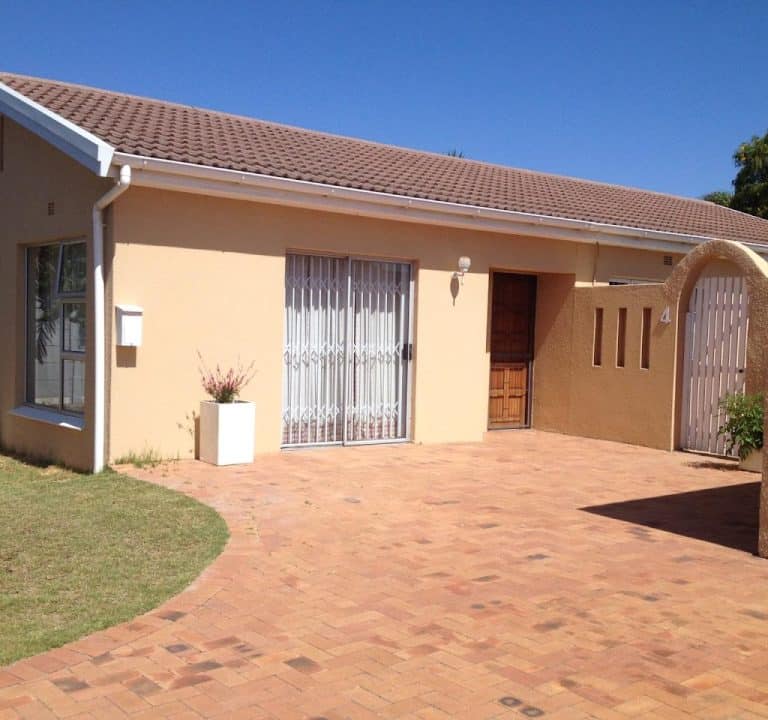
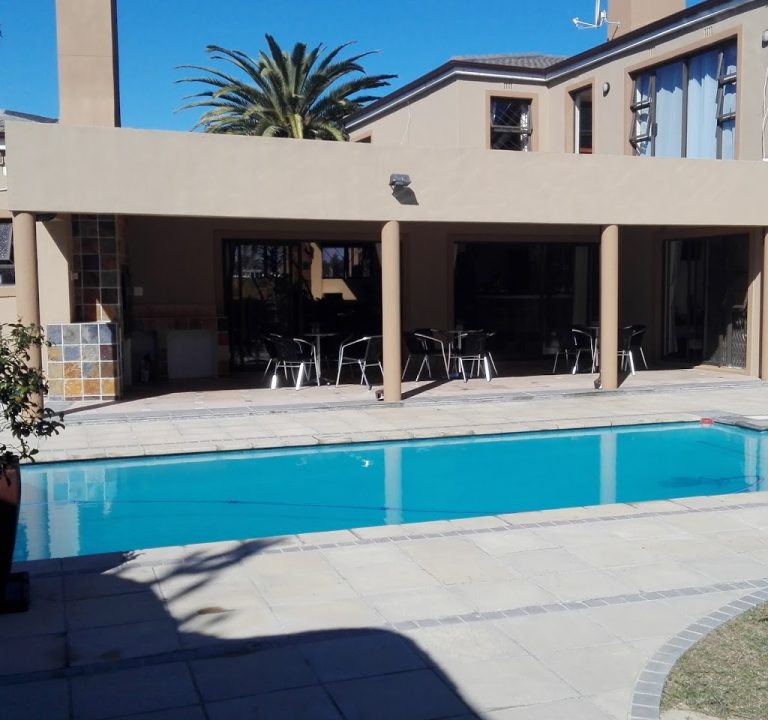
Some well-regarded accommodation styles to look for include boutique guesthouses tucked away in quieter streets, modern city apartments offering sleek design and practicality, and holiday homes that provide the feel of a home away from home with ample living space. One example you might encounter when researching Cape Town options is Saras Guest House, listed as a holiday apartment; it serves as a reminder that many properties specialise in self-catering or serviced arrangements, with varying degrees of host interaction and local guidance.
Beyond where you stay, Cape Town’s attractions and experiences are a big part of the planning. Iconic landmarks, coastal drives, and accessible nature reserves sit close to many lodging options. Food lovers will find a thriving restaurant scene across the city’s diverse neighbourhoods, from casual eateries near the harbour to elevated dining with ocean views. When exploring, consider combining a few days rooted in your chosen district with day trips to scenic drives, wildlife reserves, or botanical gardens, all of which are well signposted and supported by local tourist information.
For practical planning, start with trusted sources of information such as tourism boards or official city guides. They can help you verify current events, seasonal highlights, and practical travel tips. Always check entry requirements or safety advisories for attractions and plan a balanced itinerary that includes rest days. A well-chosen base in Cape Town should feel like a gateway to both the city’s lively urban culture and its awe-inspiring natural surrounds, making it easier to enjoy world-class beaches, scenic viewpoints, and memorable meals during your stay. For more ideas and practical inspiration, visit general travel resources and the official Cape Town tourism site.