Where to stay and what to do in Cape Town: a guide to accommodation, attractions and dining
Cape Town offers a rich mix of stays, from cosy cottages and boutique guesthouses to contemporary apartments and luxury hotels. When planning a visit, it helps to focus on a neighbourhood that suits your pace, whether you want dramatic ocean views, easy access to dining scenes, or a base close to the city’s cultural highlights. A well-chosen base makes it easier to explore iconic sights, discover hidden gems, and enjoy restful evenings after full days of exploration.
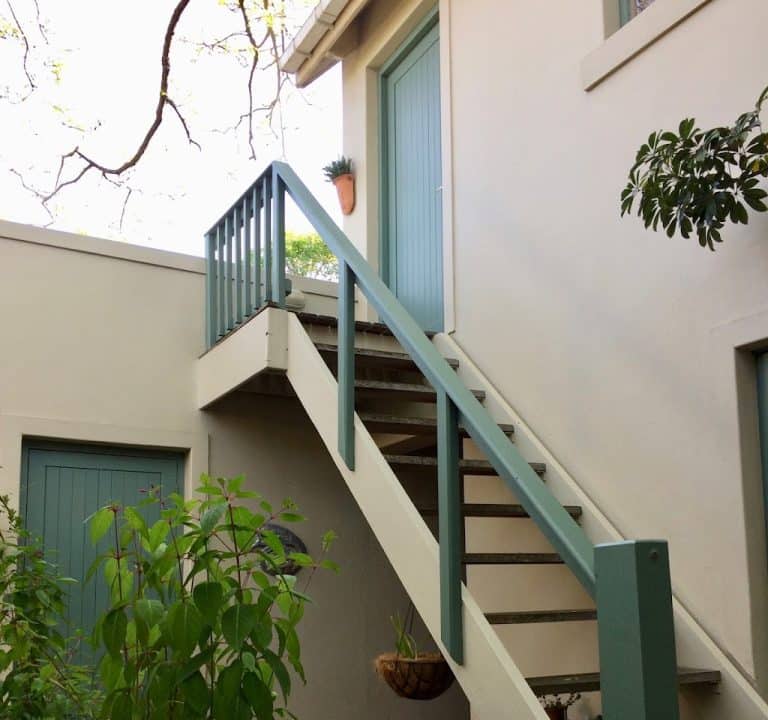
For a comfortable stay with a personalised flavour, consider a boutique cottage such as StrawberryRose Cottage, which provides a homely feel while placing you within reach of popular areas. Details vary by property, but many accommodation options in Cape Town offer a combination of private entrances, reliable Wi-Fi, self-catering facilities, and stylish linen. You can learn more about StrawberryRose Cottage on their website: http://strawberryrosecottage.com/.
Areas to consider when choosing where to base yourself:
- Atlantic Seaboard and Camps Bay: wide sea views, stylish villas and apartments, and proximity to beaches. This area is ideal for sunset drives and strolls along the promenade, with plenty of restaurants within easy reach.
- City Bowl and the central precincts: a compact hub of culture, museums, markets, and a thriving restaurant scene. This is a good base for those who want to minimise daily travel and enjoy busy evenings in the city.
- Green Point and Mouille Point: close to the harbour, well connected by tram or taxi services, with convenient access to the V&A Waterfront and parks.
- Constantia and the Constantia Valley: a tranquil, leafy spot known for wine estates and fine dining, perfect for visitors who want a slower pace and easy day trips to the Constantia Valley.
- Southern Suburbs and Newlands: excellent for families, with leafy streets, gardens, and easy access to the Kirstenbosch National Botanical Garden.
- Bo-Kaap and Tamboerskloof: characterful, historic streets with a compact travel footprint, ideal for walkers who enjoy nearby cafés and markets.
What to look for when you book:
- Sleeping arrangements and privacy: confirm beds, room layout, and whether your stay is self-contained or shared spaces.
- Amenities: reliable Wi‑Fi, well-equipped kitchens or kitchenettes, air conditioning or heating, parking arrangements, and laundry facilities.
- Safety and access: secure entry, good lighting, and a host who provides local tips while respecting your privacy.
- Transport links: proximity to MyCiTi bus routes, rail connections, or easy Uber/taxi access for evenings out or trips to the coast.
- Access to attractions and dining: how easy it is to walk to nearby venues or whether short drives are necessary for longer days.
Typical amenities you can expect include comfortable bedding, clean en-suite bathrooms, daily housekeeping or mid-stay refresh, complimentary toiletries, and flexible check-in options. Many properties in Cape Town also offer outdoor spaces, such as courtyards or balconies, which are particularly appealing for morning coffee or evening sundowners.
Getting around and practical planning tips:
- Transport: Cape Town has a growing network of affordable public transport, but for flexibility and safety many visitors prefer ridesharing or car hire. Consider a base with parking if you plan day trips along the Cape Peninsula or to Constantia.
- Best time to visit: spring (September to November) and autumn (March to May) bring mild weather and fewer crowds. Summer (December to February) offers long days and lively outdoor scenes, while winter (June to August) is cooler and wetter, yet still pleasant for sightseeing and indoor experiences.
- Seasonal highlights: nature lovers should reserve time for Table Mountain views and the beaches along the Atlantic Seaboard, while wine enthusiasts may enjoy day trips to the nearby Constantia and other nearby valleys.
- Safety and etiquette: stay aware of your surroundings, use reputable transport, and keep valuables secure, particularly in busy tourist areas after dark.
Dining and experiences:
Cine-worthy panoramas and culinary creativity define Cape Town’s food scene. While it is prudent not to rely on any single restaurant for every meal, you can expect a wealth of options that range from casual cafés and bistros to more refined dining rooms. In planning meals, consider a mix of local markets, seaside eateries, and wine estate restaurants for a balanced experience. For a broader culinary sense, look for venues that celebrate a mix of Cape flavours, fresh seafood, and modern interpretations of regional favourites.
Finally, build some flexibility into your itinerary. Cape Town’s layout makes it easy to combine the coastline, city sights, and hillside estates in a single visit, though travel times can vary with traffic. By choosing a central base or a few well-placed stays, you can reduce transit and maximise time for both iconic experiences and those less travelled, creating a memorable stay in this diverse corner of the Western Cape.