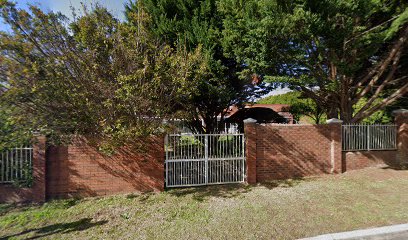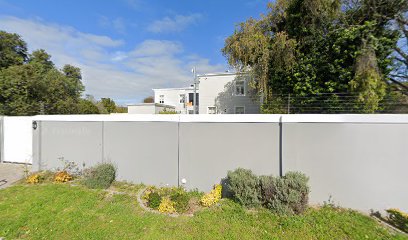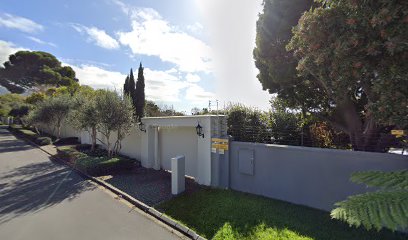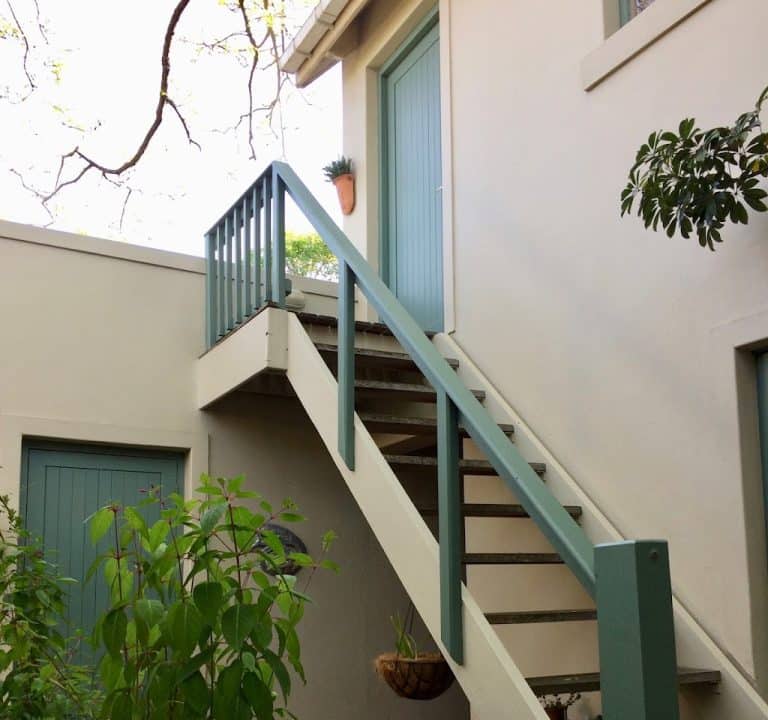
Rose Cottage And The Studio is a Bed & breakfast establishment in Cape Town, Western Cape, South Africa
About Rose Cottage And The Studio, Cape Town
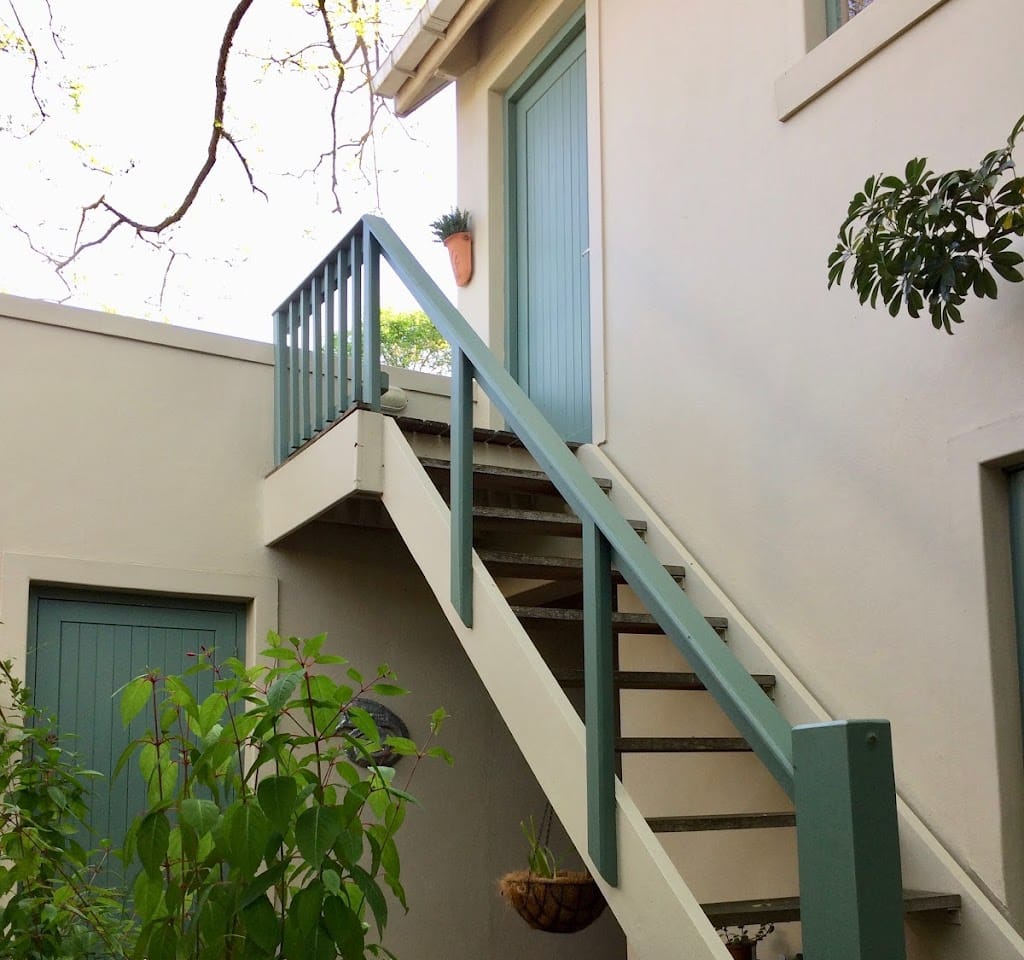
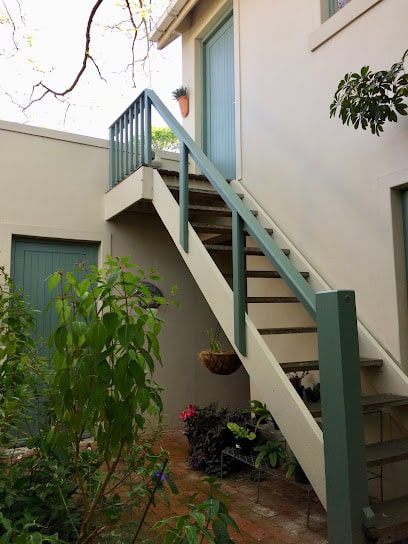
Rose Cottage And The Studio occupies a charming corner of Constantia, a leafy suburb in the Western Cape of South Africa. The listing presents a small collection of dwellings that together offer a cosy and approachable base for travellers seeking a relaxed stay in a mixed residential setting. The character of the property is conveyed through the sense of home and comfort that comes across in the presentation, suggesting spaces that are welcoming and easy to settle into after a day of exploring the region.
Although specific room configurations and on-site facilities are not itemised in detail here, the overall impression is that of a simple, self-contained setup designed for ease and convenience. The emphasis appears to be on a comfortable living environment rather than a formal hotel experience, with an emphasis on privacy and a private atmosphere for guests. Prospective visitors can expect a retreat that blends into a residential context while still providing a dedicated space for rest and relaxation.
In terms of style, Rose Cottage And The Studio is described within the listing as offering a cottage-themed accommodation option. This typically suggests a home-away-from-home ambience, where guests can feel at ease in a space that prioritises practicality, warmth, and a touch of intimate character. The combination of a cottage with the more self-contained studio suggests flexibility for different types of travellers, from couples seeking a quiet escape to solo adventurers requiring a straightforward and straightforward place to stay.
Booking and reservation details are handled through the Airbnb platform, as indicated by the listing’s presence on the site. Guests are encouraged to review the host’s terms and the listing notes for any policies, check-in details, and house rules, ensuring a smooth arrival and a comfortable stay. Access to the property and the available amenities will be confirmed at the time of booking, with the platform providing a secure framework for communication and payment.
Set within Cape Town’s Western Cape, the property sits in a region renowned for its natural beauty and outdoor appeal. While the precise local highlights are not enumerated in the available content, the location in Constantia is historically associated with a tranquil, green environment and proximity to wine estates and scenic drives. Visitors may find opportunities to experience South Africa’s well-regarded outdoors and food-and-wine culture, either through guided or self-directed activities in the surrounding area.
The accommodation at Rose Cottage And The Studio is likely to appeal to travellers who value a low-key, home-like atmosphere over a more polished, high-end hotel feel. The simplicity implied by the cottage-studio combination can be particularly attractive to guests seeking a practical, easy-to-navigate space that supports a restful stay while still being close to Cape Town’s urban and natural attractions.
For those planning a stay, the listing points to using the Airbnb platform for booking and communication. This typically includes accessing current availability, pricing, and any updates to house rules or amenities. A host’s listing page on Airbnb also often contains guest reviews, giving prospective visitors a sense of what past guests have enjoyed and any practical tips that may enhance the stay. The inclusion of a direct link to the listing provides a straightforward path to more detailed information and to secure a reservation.
Travel tips and practical considerations can be gleaned from the listing’s general presentation. Prospective guests are advised to consult the Airbnb page for updated information on check-in times, cancellation policies, and any house guidelines. As with any stay in a residential area, guests might consider factors such as parking arrangements, quiet hours, and the norms of the neighbourhood when planning daily activities or excursions around Cape Town and the surrounding countryside.
To learn more about Rose Cottage And The Studio and to explore current availability, interested travellers can visit the listing page on Airbnb at the following link: Rose Cottage, Constantia – Airbnb.
Cape Town
Western Cape
7806
South Africa
Accommodating Cape Town: Where to stay and how to make the most of your visit
Cape Town offers a diverse tapestry of neighbourhoods, each with its own character and proximity to iconic sights. When planning a stay, think about what you want most from your trip—breathtaking scenery, ease of access to the city centre, or a quieter retreat with easy access to the winelands. A mix of guesthouses, boutique hotels, and self‑catering options gives visitors a wide range of atmospheres, from coastal escapes to leafy gardens and mountain views. A well‑placed base can cut driving time, maximise sightseeing, and free you to enjoy evenings in vibrant neighbourhoods or peaceful, residential streets.
One well‑established option is a bed & breakfast that blends homely comfort with local flavour. Places such as Rose Cottage And The Studio in Constantia exemplify the style: private rooms, a welcoming host presence, and easy access to winelands, historic estates, and scenic walks. Staying in Constantia or nearby Constantia Nek provides a quieter, green setting while still being within reach of Cape Town’s centre by car or lift‑share services. If you prefer a more urban pace, the Atlantic Seaboard and the City Bowl offer stylish boutique stays with sea or Table Mountain vistas and convenient access to cafes, markets, and nightlife.
Areas to consider include:
- City Bowl and the CBD: central access to museums, theatres and the historic Company’s Garden, with a wide range of dining and nightlife options.
- Sea Point and the Atlantic Seaboard: a cosmopolitan vibe, easy beach access, and a promenade for long strolls along the coast.
- Constantia and the Cape Winelands fringe: tranquil, green settings with proximity to vineyard routes and scenic drives.
- Green Point and V&A Waterfront: waterfront living with handy transport links to Robben Island tours and harbour attractions.
When booking, look for key amenities that align with your plans. Essential features include reliable wi‑fi, secure parking if you are renting a car, and clear instructions on access if you are arriving late. A good continental breakfast or a light self‑catering option can save time in busy mornings. If you travel with family or a group, ensure the property offers flexible sleeping arrangements, such as separate bedrooms or loft spaces, and consider a property with outdoor space for easy relaxation after busy days of sightseeing.
Transport in Cape Town is well served by a mix of rental cars, Uber‑style services, and occasionally affordable minibus taxis in some areas. For a family‑friendly itinerary or a day of wine route exploring, a vehicle with a little height and good braking makes sense. If you intend to stay near the city centre, you may not need a car every day, as many attractions are walkable or reachable by short rides. For more scenic days, plan a route that starts with Table Mountain or the Cable Car, then heads to the V&A Waterfront for harbour views and a stroll along the harbour, followed by a restaurant dinner in the foreshore or nearby streets.
The best time to visit Cape Town depends on priorities. Summer (November to February) brings long, sunny days ideal for beaches and outdoor markets, while winter (June to August) offers cooler, crisp air with dramatic scenery and fewer crowds on some trails. Spring and autumn provide pleasant weather with fewer heat peaks, suitable for hiking in Table Mountain National Park and exploring Kirstenbosch Botanical Garden at a comfortable pace. If you plan to visit winelands estates, consider midweek visits to avoid weekend crowds.
Accommodation is often well located for easy access to attractions. In planning, factor in your daily rhythm: early starts for sunrise views from Table Mountain or short drives to Kirstenbosch in the morning, followed by lunch in a seaside town or a relaxed cafe, and afternoon visits to cultural sites or a harbour cruise. Evening plans can range from harbourfront dining to casual neighbourhood eateries with charcoal grills, seafood, and light South African fare.
Facilities in guesthouses and boutique hotels frequently include en‑suite bathrooms, tea and coffee provisions, and comfortable communal spaces for socialising or quiet reading. Some properties offer curated local experiences, such as guided garden walks, wine tastings, or neighbourhood strolls that showcase Cape Town’s architecture and markets. If you choose properties marketed as B&Bs, expect a host‑driven approach, with suggestions on the best routes for morning climbs, sunset viewpoints, and accessible coffee spots offering excellent cappuccinos and pastries.
To help you plan a balanced stay, consider a sample day structure:
- Start with a sunrise ascent or a morning walk up or around Table Mountain, followed by a late breakfast at your accommodation or a nearby café.
- Spend late morning at a cultural site or museum, then enjoy lunch at a harbour‑side restaurant with views of the water or mountains in the distance.
- Afternoon options include a visit to Kirstenbosch Gardens, a scenic drive to the Cape Point precinct, or a boat trip to Robben Island; return for a relaxed dinner in a neighbourhood restaurant.
As a practical tip, read recent guest reviews to gauge consistency in housekeeping and service, verify parking arrangements, and check access notes for stairs or stairs‑only entries. Always confirm cancellation policies in advance and understand what the host offers in terms of breakfast times and kitchen access if you plan to self‑cater. With a thoughtful choice of area, a well‑equipped accommodation, and a plan that blends nature, culture, and cuisine, a stay in Cape Town can be both restorative and richly inspiring.
Sorry, no records were found. Please adjust your search criteria and try again.
Sorry, unable to load the Maps API.
Why Claim Your Listing?
Claiming your listing on the B&B Finder directory website is a valuable opportunity for business owners. Here are five reasons why you should consider claiming your listings:
Control Over Business Information: By claiming their listing, business owners can ensure that all the information presented is accurate and up-to-date. This includes details such as contact information, address, pricing, and available services or amenities. Accurate information helps prevent customer confusion and improves overall satisfaction.
Enhance the Listing: Once a listing is claimed, owners can enhance it by adding more comprehensive information and rich media, like high-quality photos and videos. These additions can make the listing more attractive and engaging to potential customers, thereby increasing the likelihood of bookings.
Marketing Opportunities: Claiming a listing can also open up additional marketing opportunities. Owners may be able to participate in promotional campaigns, special offers, and other marketing activities organized by the directory. This can increase visibility and attract more customers to the business.